In the early hours of Wednesday, the first cohort of Ghanaian citizens began their journey home from South Africa, amid growing fears of renewed xenophobic violence sparked by a recent wave of anti-illegal immigration protests across the country. Dozens of buses chartered by the Ghanaian embassy arrived at Johannesburg’s OR Tambo International Airport by 3 a.m. local time, dropping off hundreds of departing passengers spanning all age groups, including men, women, and children. A small subset of travelers was transported separately in a police van, kept isolated from the main group under constant police observation, according to on-the-ground reporting from the BBC.
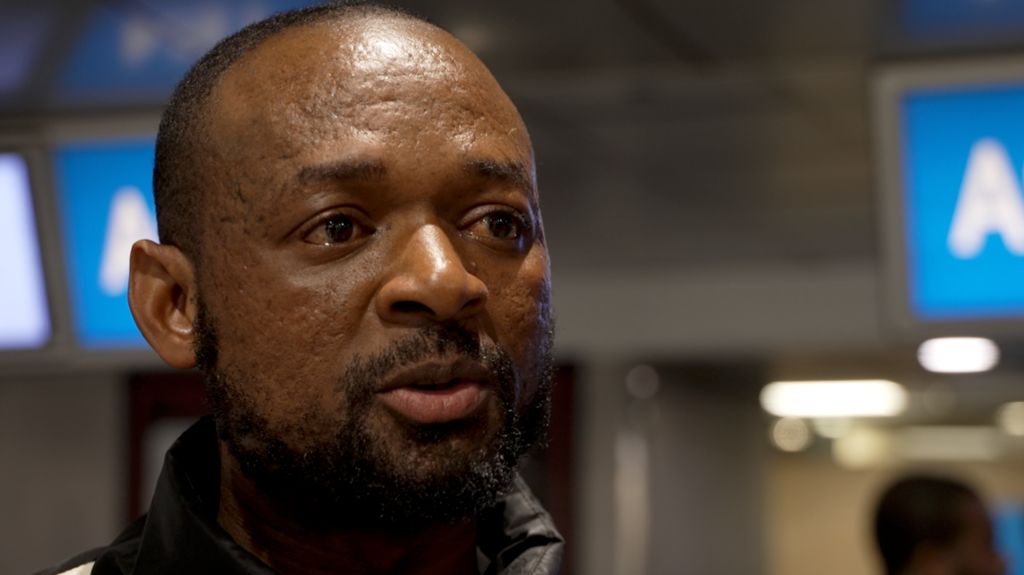
This mass repatriation effort comes in response to weeks of demonstrations led by March and March, a grassroots citizen movement pushing for stricter South African immigration reform. The group has set a June 30 deadline for all undocumented migrants to leave the country, a timeline that has stoked widespread anxiety among foreign residents. Among those departing is Rudolph, a Ghanaian small business owner who has operated a hair salon in South Africa for a decade. In a rare interview with the BBC, Rudolph explained that the shifting social climate had made staying in the country untenable. “It’s not comfortable for us to stay here anymore, so we have to go. I think we will find peace at home,” he said, echoing the fears of many other foreign residents. He added that the protests, which originated in Durban before spreading to multiple other provinces, could easily escalate into targeted violence ahead of the deadline, and that he had no plans to ever return to South Africa.
Ghanaian authorities confirmed that only 300 of the roughly 800 registered citizens would depart on Wednesday, with the remaining travelers undergoing additional security and eligibility screenings before boarding future flights. Officials estimate that roughly 25,000 Ghanaians currently reside in South Africa, a large portion of whom have been affected by the recent unrest. Ghanaian High Commissioner Benjamin Quashie emphasized that the repatriation effort is rooted in the government’s core responsibility to protect its citizens abroad. “The Ghanaian government listened to the plight of its citizens in South Africa, who felt that their lives were in danger, who felt like the economic activity that they were engaging in had come to a standstill, who felt unwelcome in this country, and it is the responsibility of every government to ensure that its citizens are taken care of both home and abroad,” Quashie told the BBC.
Quashie also outlined the Ghanaian government’s plan to support returning citizens, noting that a comprehensive reintegration strategy is already in place to help returnees reestablish their businesses and livelihoods back home. He added that the effort also aligns with South Africa’s own goals around immigration management: “The government is willing to establish them into whatever business they were doing in South Africa. In a way, we’re also helping the South African economy, because it’s clear that some of them are undocumented. So taking them out of here will let them know that we are not people who condone undocumented people in countries.”
Political analysts have pointed to upcoming local elections scheduled for November as a potential driving factor behind the recent resurgence of anti-migrant sentiment in South Africa. The country has a bloody history of large-scale xenophobic violence: in 2008, attacks targeting foreign nationals left 62 people dead, and another 12 people were killed in similar unrest in 2019. Organizers of the current wave of protests have maintained that their demonstrations have been entirely peaceful, a claim echoed in recent statements from the South African government. Earlier this month, government officials condemned any criminal targeting of foreign residents while acknowledging that the country faces legitimate challenges around managing undocumented immigration that must be addressed.