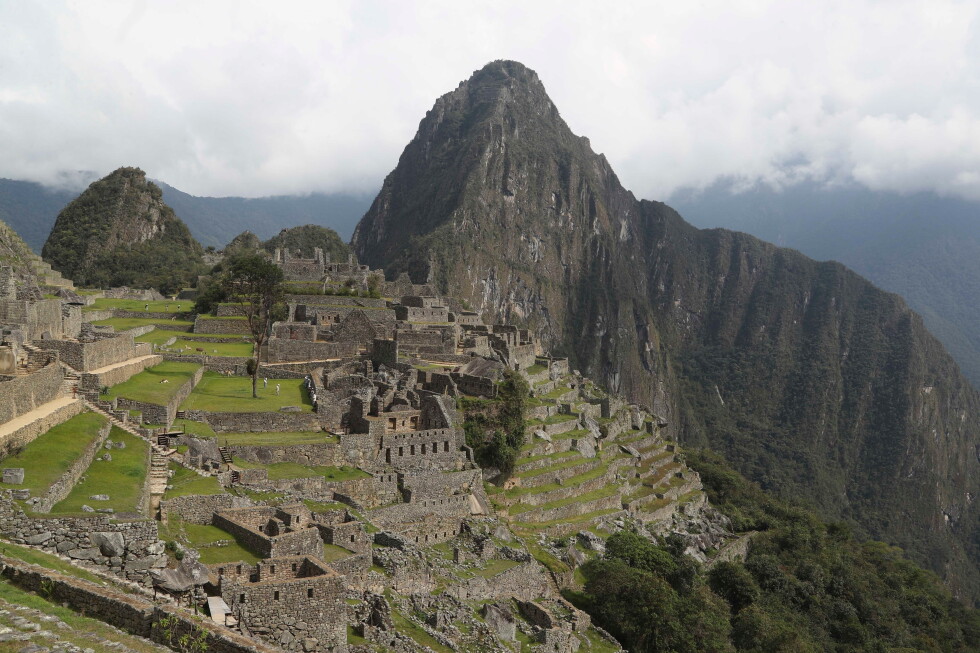
LIMA, Peru — The global non-profit New7Wonders Foundation, best known for its initiative cataloging the world’s most iconic cultural sites, formally extended an offer Tuesday to collaborate with Peruvian authorities to address longstanding systemic issues at the legendary Inca citadel Machu Picchu. Thousands of visitors to the UNESCO World Heritage Site annually report hours-long entry queues, extreme overcrowding along narrow trails, and inconsistent, unreliable local transportation services that sour the experience of visiting one of the world’s most famous archaeological landmarks.
The offer of assistance comes nine months after the foundation issued a stark September 2020 warning: Machu Picchu’s status as one of the organization’s official New Seven Wonders of the World, a designation it has held since an international public vote in 2007, was in jeopardy due to the poor visitor experience. Foundation director Jean Paul De la Fuente, who is currently in the Peruvian capital holding preliminary talks with national tourism officials, says he has observed zero meaningful improvement at the site since that formal warning. He directly blamed the lack of progress on ongoing political paralysis that has left Peru with unstable leadership over the past decade.
Peru is gearing up for a pivotal presidential runoff election set for June 7, a vote that will install the country’s ninth head of state in just 10 years. The runoff pits two very different candidates against one another: Keiko Fujimori, daughter of former Peruvican President Alberto Fujimori who is currently imprisoned for convictions on human rights violations, and Roberto Sanchez, a former commerce secretary who has run on a platform of sweeping reforms to Peru’s large mining industry. The next president will appoint an entirely new cabinet and national leadership team, so no sitting government officials have issued an immediate response to the foundation’s offer. De la Fuente noted he is ready and willing to sit down with the incoming administration after the election to co-develop solutions to the site’s systemic service failures.
For millions of global travelers, a trip to Machu Picchu ranks as a bucket-list dream, De la Fuente explained. “People travel to Machu Picchu thinking that they will visit a marvel of the world,” he said. “But for many that dream is turning into a nightmare.”
Carved into the Andean mountains in the 15th century as a royal estate for the Inca empire, Machu Picchu was first named a UNESCO World Heritage Site in 1983 in recognition of its unique architectural and cultural significance. Fourteen years after that designation, the site won a spot in the New7Wonders Foundation’s global public vote, which drew more than 100 million participants worldwide to select the seven most remarkable cultural sites of the modern era. De la Fuente said international tourism to the site has exploded exponentially since the 2007 designation, but Peruvian governments have failed to update infrastructure, visitor management systems, and transportation networks to keep pace with growing visitor volumes.
The foundation director stressed that revoking Machu Picchu’s New Seven Wonders status is not currently on the table. Instead, the organization is pushing for Peruvian leadership to adopt its comprehensive improvement plan to address the site’s most pressing problems. “We hope to be able to work with a new leadership once it’s in place, to find a positive outcome for Machu Picchu,” De la Fuente said. “Going from a negative situation to making sure that Machu Picchu can be an example that many of the other wonders of the world can look up to.”