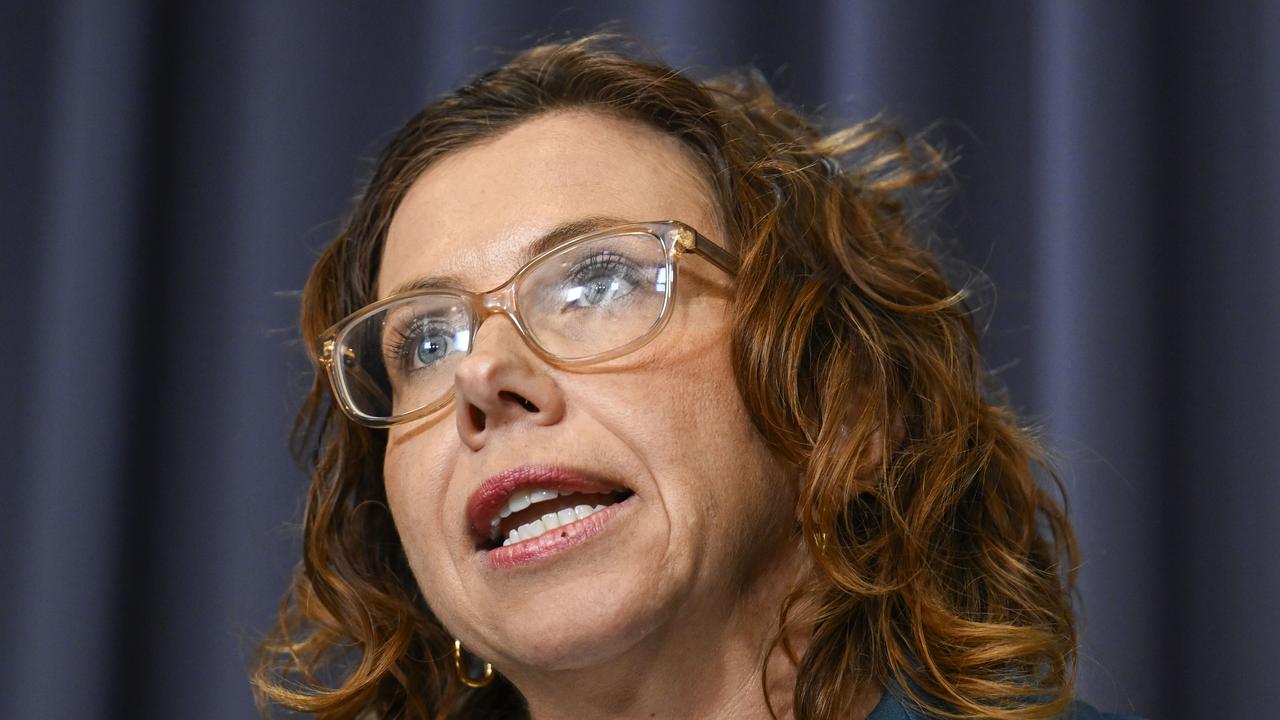
Australia’s job seekers are set to experience the most sweeping transformation to national employment services in three decades, after the Albanese government confirmed it will scrap the long-criticized “one size fits all” model that has defined the system for generations. The landmark reforms, scheduled to be formally announced by Employment Minister Amanda Rishworth during an address to Canberra’s National Press Club on Wednesday, are designed to connect one million Australians accessing services daily with targeted support aligned to their unique circumstances. Currently, the federal government injects roughly $2 billion annually into the national employment services framework, with the upcoming reforms backed by a $312 million allocation earmarked in the 2026-27 federal budget.
Rishworth is set to outline four core changes that will reshape how Workforce Australia, the government’s national employment services platform, operates. First, the generic one-size-fits-all service model will be replaced with three distinct, tiered support streams, with the intensity of assistance adjusted to match how far an individual is from entering the open labour market. Second, the government will introduce updated mutual obligation requirements that Rishworth says will be fair, proportionate, and tailored to each job seeker’s circumstances, replacing the rigid rules currently in place. While the government retains a commitment to mutual obligations to keep candidates engaged in their job search, the new framework will ensure requirements actually support, rather than hinder, efforts to secure suitable work, Rishworth will note.
Third, the system’s initial assessment and triage process will be completely overhauled to identify barriers to employment as early as possible, ensuring job seekers are matched to appropriate supports from their first day interacting with the system. Fourth, a new user-led planning tool will be rolled out to allow participants to set their own employment goals and develop tailored strategies to overcome the specific personal and professional barriers holding them back from work.
In her address, Rishworth will heavily critique the existing Workforce Australia Online platform, launched under the previous Morrison government, arguing it has failed to deliver the personalised support job seekers need. Rather than functioning as a targeted assistance tool, Rishworth will say the platform operates primarily as a compliance mechanism, existing only to let job seekers meet their mutual obligation requirements and access the government’s Employment Fund. While some candidates do secure work through the online service, Rishworth will note most success comes from job seekers finding roles independently, not from the limited support the platform provides.
The current system’s lack of individualised support has created two key problems, Rishworth will argue: many job seekers remain stuck on the online platform for the full 12-month maximum waiting period before being automatically referred to a support provider, wasting a year of potential progress and making it harder to secure employment long-term. At the same time, other participants are pushed into overly intensive provider-led services they do not actually need, because the online platform offers too little targeted help to meet their needs.
Rishworth confirmed much of the detailed design work for the new framework will be completed over the coming months through extensive consultation with key stakeholders, including employment services providers, employers, job seekers, and local community groups. A public discussion paper and an independent expert advisory group will also support the reform process to ensure the final system meets the needs of all users. “Our government is committed to delivering an employment services system that is focused on what matters most: helping people into work,” Rishworth will say.