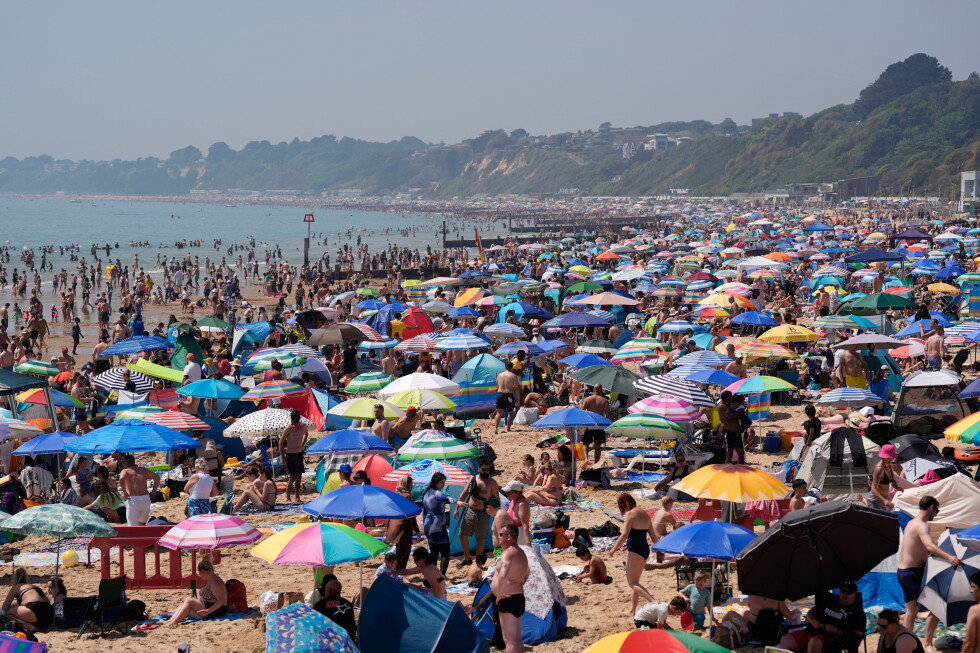
An extraordinary early-season heatwave is sweeping across large swathes of Western Europe, breaking long-standing temperature benchmarks, forcing emergency responders into action, and leaving multiple people dead amid widespread government warnings of life-threatening risks. The extreme heat, which has arrived far earlier than typical seasonal peaks, has put both communities and infrastructure under unaccustomed strain, as climate experts link the off-season extreme weather to accelerating global warming.
In the United Kingdom, the unprecedented heat delivered the hottest May day in the nation’s recorded history on Monday, with thermometers reaching 34.8°C (94.6°F) at London’s Kew Gardens. This reading obliterated the previous 91-year-old record of 32.8°C (91.4°F), which had stood shared since 1922 and 1944. The extreme conditions extended overnight, with London logging a rare “tropical night” where temperatures never dropped below 20°C (68°F), offering no reprieve from the swelter. Forecasters with the UK Met Office projected temperatures in southern England could climb as high as 35°C (95°F) on Tuesday.
The brutal heat has already resulted in fatalities across the UK. Police confirmed a 13-year-old boy died Monday after getting into distress while swimming in a reservoir near Halifax, in northern England. In the Scottish capital of Edinburgh, firefighters worked around the clock to contain a large out-of-control grass fire that broke out on Arthur’s Seat, the iconic rocky hill that overlooks the city, sending large plumes of dark smoke billowing over the urban area.
For London commuters returning to work after a three-day holiday weekend that drew crowds to beaches, parks and public pools, Tuesday brought fresh misery. Many underground carriages lack air conditioning, leaving rush-hour passengers sweltering in the stagnant heat. Train service to and from the busy Waterloo Station was further disrupted by a smoke incident on the tracks.
UK health officials have activated an amber health alert covering most of the country through Wednesday morning, warning of elevated health risks, particularly for vulnerable groups including elderly people who are more susceptible to heat stroke and dehydration. Unlike warmer-climate nations, the UK’s historically mild temperatures mean most residential homes, schools and commercial buildings are not equipped with air conditioning, leaving millions without a reliable way to cool down. The early arrival of the extreme heat has also heightened water safety risks: the annual summer lifeguard patrol schedule at popular coastal swimming spots has not yet begun, leaving unguarded waters more dangerous for thrill-seekers looking to cool off.
Across the English Channel, France is also facing record-breaking heat for the month of May, with temperatures soaring well above 30°C (86°F) across most of the nation. French government spokeswoman Maud Bregeon confirmed at least seven deaths have been linked to the extreme heat so far: five people drowned while trying to cool off, and two others died during organized sports competitions. On the country’s Atlantic coast, where popular beaches face persistent risks from powerful riptides, emergency responders handled a surge of water rescues over the weekend, including two fatal drownings on Sunday at resorts in the Gironde region. Regional prefect Sophie Brocas issued an urgent call for beachgoers to practice “the utmost caution” in the dangerous conditions.
Climate scientists have long warned that human-caused global warming is increasing the frequency and severity of extreme weather events across the globe. Today, these unprecedented, deadly weather events are striking at uncharacteristic times of year and in regions unaccustomed to such extremes, expanding the population exposed to preventable heat-related harm.