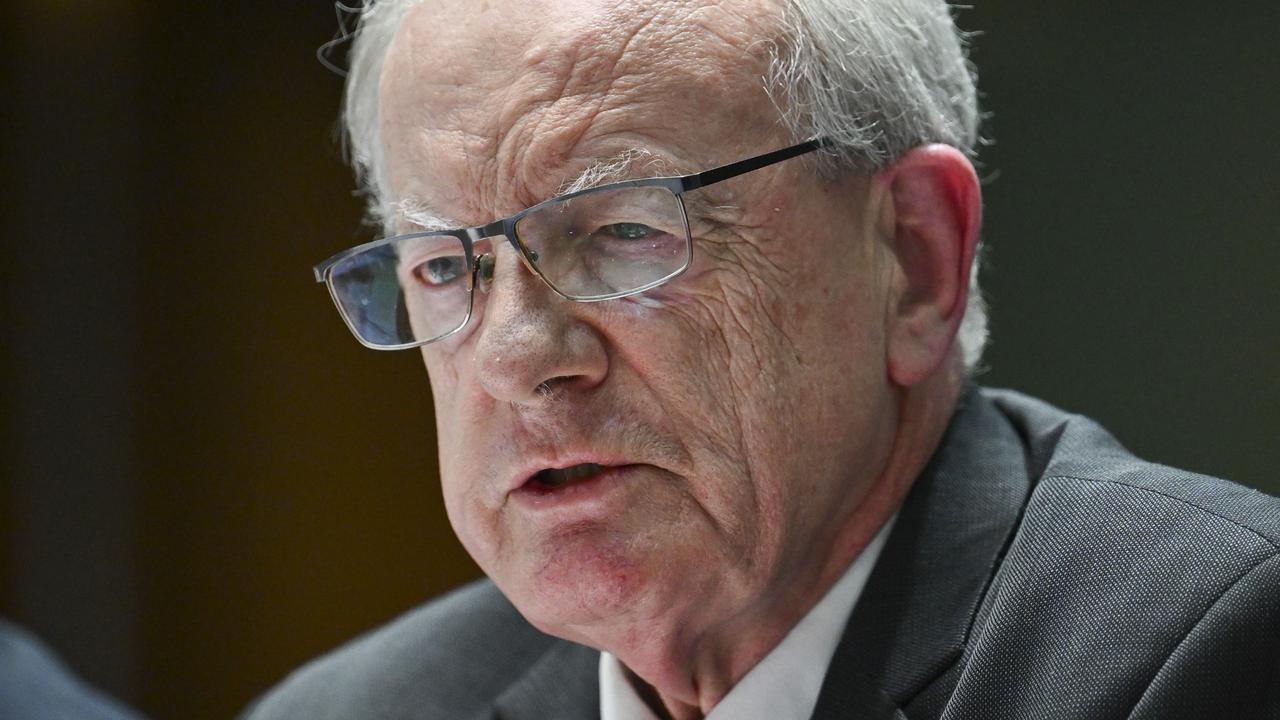
The sudden resignation of Paul Brereton, the inaugural head of Australia’s National Anti-Corruption Commission (NACC), has sparked intense political debate, with the outgoing commissioner defending his record and framing his exit as a necessary step to end distractions for the integrity watchdog.
Brereton formally stepped down from his post on Monday, and just one day later, he appeared before a Senate estimates hearing to lay out his reasoning for the unexpected departure. The former Major-General told attendees that ongoing public and parliamentary scrutiny of his longstanding ties to the Australian Defence Force (ADF) had become an unmanageable distraction for the nascent anti-corruption body. Brereton has retained an unpaid role with the Inspector-General of the Australian Defence Force (IGADF), where he assists with an ongoing investigation into alleged misconduct by Australian special forces personnel in Afghanistan.
“Every time the NACC’s chief executive officer appears before this committee, he is forced to answer questions about me,” Brereton told the hearing. “All press focus is drawn to me and my overlapping roles, and that has become a distraction. That is why I decided removing that distraction is in the best interest of the organization.”
The resignation comes in the wake of an inquiry by NACC Inspector Gail Furness, which probed Brereton’s handling of a declared conflict of interest connected to the commission’s decision not to probe referrals from the Robodebt royal commission. The inquiry’s draft findings labeled Brereton’s actions as meeting the technical definition of “officer misconduct” — a classification Brereton has warned has created a culture of fear among NACC staff.
“Given the incredibly broad definition that counts any error of fact or any error of law as officer misconduct, we now have a commission where staff are terrified of making any mistake, because they fear they will face a misconduct finding,” he said.
Brereton pushed back against claims of intentional wrongdoing, noting that his early involvement in the Robodebt probe was conducted entirely in good faith. While he acknowledged that with hindsight, he should have recused himself from the process from the start and apologized for the resulting delays, he rejected arguments that his actions were the core cause of the harm suffered by Robodebt victims. “To suggest that that is the main cause of the appalling tragedy that the Robodebt aged victims have suffered is overstating the case entirely,” he said. In a formal statement, Brereton reiterated that he would continue to reject any claims of improper conduct.
The commissioner confirmed he received Furness’ draft investigation report back in March, a standard step in the inquiry process, but declined to comment on specific findings, noting that procedural fairness processes are still ongoing. Brereton also emphasized that he had proactively disclosed all his ADF ties to all relevant statutory officers, arguing that his limited unpaid work for IGADF — totaling less than 30 hours over three years, mostly outside of work hours — did not require further detailed disclosure to NACC leadership. He compared the demand for full details of his ADF work to asking for personal information about his religious attendance or recreational sports participation.
Brereton stressed that the constant need to defend himself against allegations had eaten into an undue amount of his time, and more importantly, had diverted the NACC from its core anti-corruption work. “Regardless of the particular nature of the allegations, this distraction is preventing both of us from doing our work,” he said.
The outgoing commissioner faced sharp criticism from crossbench senators during the hearing. Greens Senator and Canberra representative David Pocock attacked Brereton for refusing to take ownership of missteps during the NACC’s early establishment. “It seems to me, in your final appearance, there’s just absolutely no ownership of any of the stumbles and things that have happened in the establishment of the NACC, and I find that very disappointing from a leader of your stature,” Pocock said. Brereton responded simply that Pocock was entitled to his opinion.
Brereton also confirmed he had not received any indication from the federal government that it had lost confidence in his leadership. “I accept that I have in some way contributed to this outcome, but I do not accept that my standards have in any way fallen below an appropriate standard,” he said. Earlier, he declined to immediately release a copy of his resignation letter to the Governor-General, saying he needed to first check for personal information that should remain private.
Brereton’s tenure as the NACC’s inaugural commissioner was marked by persistent controversy from the start. As early as September 2025, he announced he would recuse himself from all defence-related referrals to the NACC specifically to avoid the distraction that now led to his resignation. In total, the hearing confirmed that NACC Inspector Gail Furness has received nearly 90 conflict of interest complaints against Brereton in less than six months, covering issues including the procurement of counsel assisting the commission. Brereton told the hearing on Tuesday that 40 of those complaints were filed during a 48-hour period following a coordinated social media campaign against him.
In a statement released Monday, Attorney-General Michelle Rowland thanked Brereton for his work standing up the new national integrity body. “Commissioner Brereton has made an invaluable contribution to the establishment of the NACC as its inaugural commissioner,” she said. The federal government will now launch a merit-based selection process to appoint Brereton’s replacement as head of the anti-corruption commission.