After nearly three months of open regional conflict between the United States and Iran, diplomatic efforts have reached a critical turning point, with former US President Donald Trump confirming that a tentative framework agreement is “mostly finalized”. Should the deal cross the finish line, it would bring an immediate end to months of hostilities that have roiled global energy markets and raised fears of a wider regional war.
Global financial markets reacted swiftly to the news of a potential breakthrough on Monday morning, with investor sentiment driving a sharp 6% drop in Brent crude prices that pushed the benchmark down to $97 per barrel. While the full text of the proposed agreement remains under wraps, emerging details from anonymous US officials speaking to Axios have shed light on the phased approach being negotiated.
Under the draft terms, the first step would be a 60-day extended ceasefire between the two parties. During this temporary truce, the Strait of Hormuz – the critical chokepoint through which 20% of the world’s daily crude oil and liquified natural gas shipments pass – would be fully reopened to commercial traffic. No transit fees would be imposed by Iran, and Tehran would clear all naval mines it had placed in waters near the strait as a strategic pressure tactic. Once mine clearance is completed, the US would lift its recent naval blockade of Iranian ports, and Tehran would be allowed to resume oil exports for the two-month period, temporarily pausing some US sanctions to enable the sales. The unnamed US official noted that while the temporary export access would boost Iran’s economy, it would also help cool tight global energy markets and ease upward pressure on energy prices worldwide.
This 60-day window is intended for the two sides to negotiate long-term arrangements, including the highly contentious issue of Iran’s nuclear program. As part of broader talks aimed at a permanent ceasefire, Iran is demanding the immediate unfreezing of its sovereign assets held around the globe and permanent relief from crippling US economic sanctions. In response, US officials have stated that these major concessions will only be granted in exchange for “verifiable, tangible concessions” from Tehran on nuclear security.
The still-undrafted memorandum of understanding between the two countries is reported to include a proposed Iranian commitment to never pursue a nuclear weapons program, though there is currently no confirmation that Tehran has accepted this condition. The draft text also proposes negotiations on freezing Iran’s uranium enrichment activities and removing its existing stockpile of highly enriched uranium. A US official told The Washington Post that the two-month ceasefire period will be dedicated to ironing out the verification and implementation mechanism for a final nuclear agreement. However, an Iranian official pushed back on this framing, telling the Post the draft deal only includes a commitment to discuss nuclear issues at a later date, not a pre-negotiated agreement on the terms.
Over the weekend, Trump faced cross-partisan criticism from US lawmakers over both the ongoing conflict and the terms of the emerging deal. The former president pushed back forcefully against his detractors in a post on his social platform Truth Social, insisting he only negotiates successful agreements. “If I make a deal with Iran, it will be a good and proper one, not like the one made by Obama,” Trump wrote. “Don’t listen to the losers, who are critical about something they know nothing about. Unlike those before me who should have solved this problem many years ago, I don’t make bad deals!”
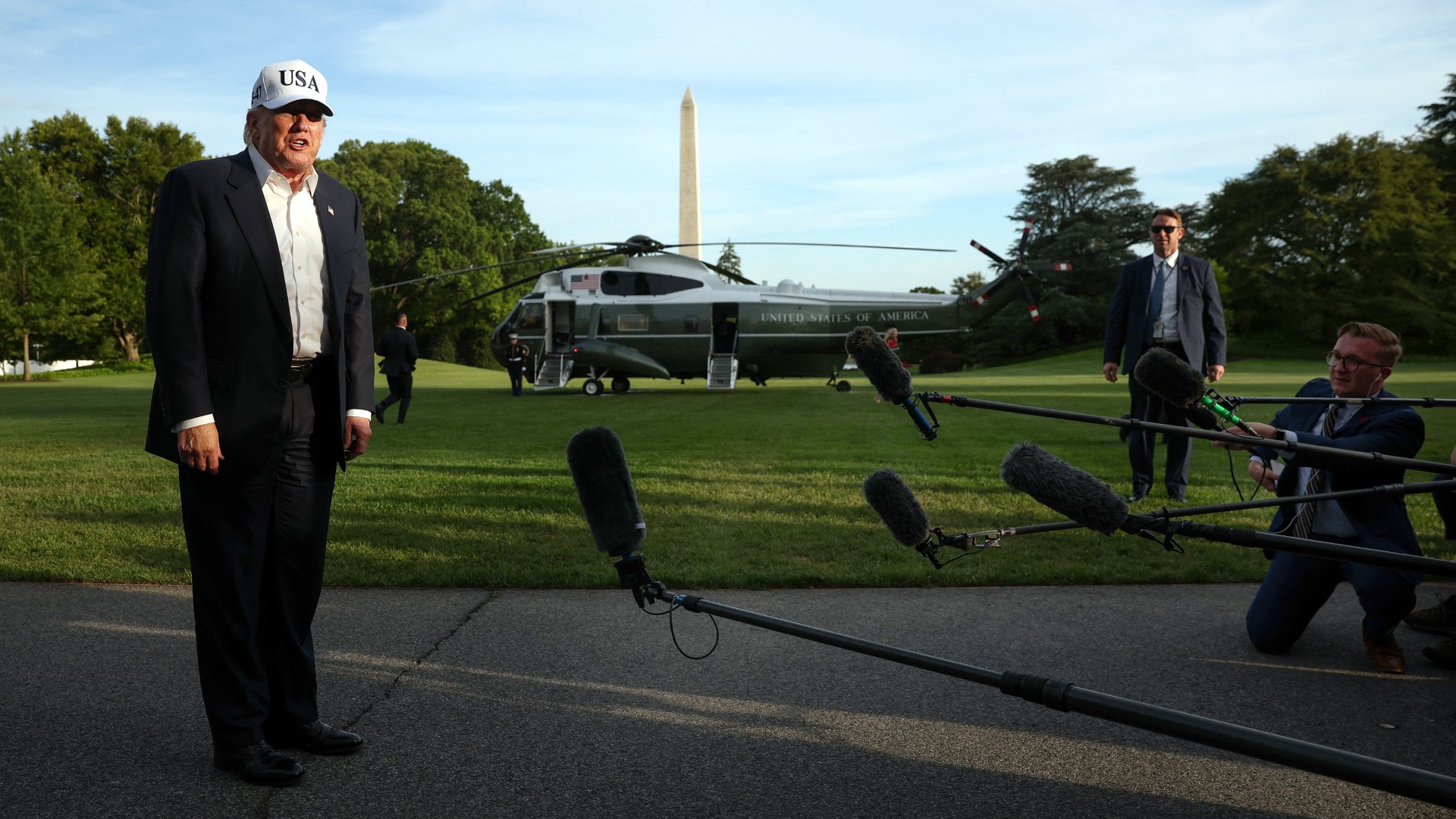
By Monday, Trump struck a more optimistic tone, telling reporters negotiations are “proceeding nicely”. He also used the moment to push for an expansion of the Abraham Accords, the 2020 US-brokered normalization agreements between Israel and several Arab states that he oversaw during his first term. Trump said he had spoken with leaders of multiple regional nations on Saturday about efforts to end the conflict with Iran, arguing that after US diplomatic work to resolve the crisis, all involved nations should join the accords. “After all the work done by the United States to try and pull this very complex puzzle together, it should be mandatory that all of these Countries, at a minimum, simultaneously, sign onto the Abraham Accords,” he said. He listed the candidate nations as Saudi Arabia, Qatar, Pakistan, Turkiye, Egypt, Jordan, the UAE (already an accords member), and Bahrain (also already a signatory). The original 2020 accords also included Morocco and Sudan, while Egypt and Jordan already hold established diplomatic relations with Israel.
Iranian foreign ministry spokesperson Esmaeil Baghaei offered a more muted confirmation of progress on Monday, saying that Tehran and Washington had reached preliminary conclusions on several issues included in the draft memorandum of understanding. But he stressed that this progress should not be read as a sign an agreement is imminent. Baghaei clarified that Iran’s current negotiating priority is ending the ongoing conflict, not addressing nuclear questions. He also reiterated a longstanding Iranian complaint that inconsistent, shifting positions from US officials have consistently complicated efforts to reach a final deal.