Hours after top U.S. diplomat Marco Rubio suggested a historic deal between the United States and Iran to de-escalate regional conflict could be reached as soon as Sunday, President Donald Trump has cooled widespread optimism, saying he has instructed his negotiation team to avoid rushing a final agreement. “Time is on our side,” Trump wrote in a social media post, adding that the current U.S. naval blockade of Iranian ports would remain fully in place until any accord is fully finalized, certified, and signed by all parties. This tempered announcement came just days after Trump himself indicated the bulk of the agreement had already been negotiated, with only final touches left to resolve between Washington, Tehran, and other participating mediator nations.
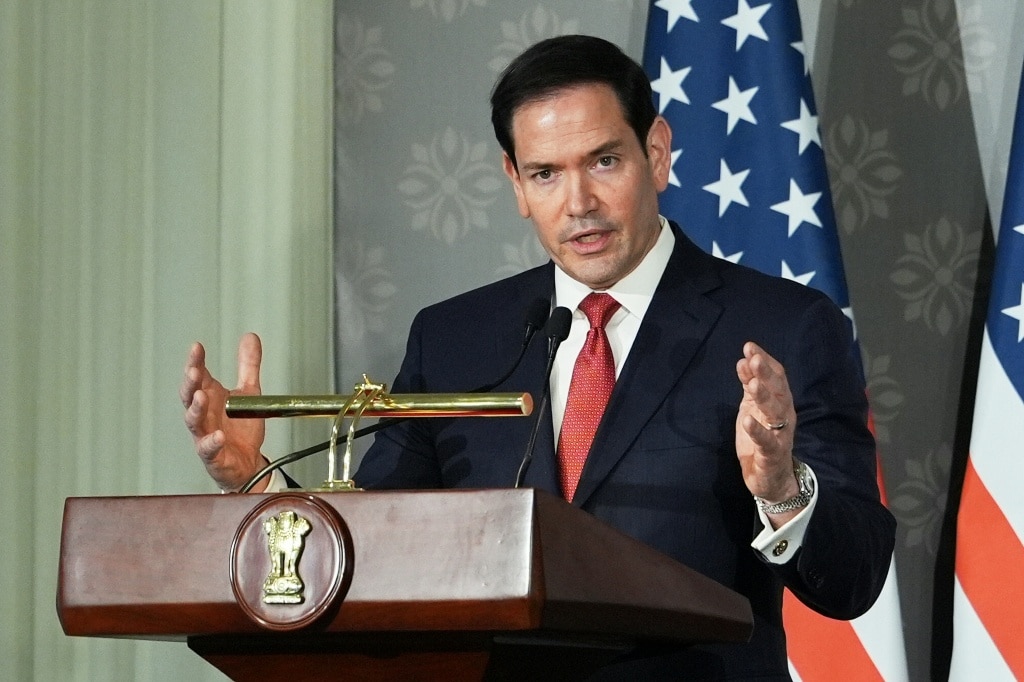
A fragile bilateral ceasefire between the United States and Iran has been in effect since April 8, as international mediators work to lock in a permanent negotiated settlement. Despite the ceasefire, tensions remain high: Iran has implemented new shipping controls in the Gulf region, while the U.S. has maintained its strict port blockade of Iranian territory. Speaking to reporters during an official visit to India on Sunday, Rubio struck an optimistic note, saying “I do think perhaps there is the possibility that in the next few hours the world will get some good news.” He added that any final agreement would launch a process that fulfills the Trump administration’s core goal: eliminating the global threat posed by an Iranian nuclear weapon.
Israeli leadership has echoed the U.S. commitment to full nuclear dismantlement. Prime Minister Benjamin Netanyahu confirmed Sunday that he and Trump have aligned on non-negotiable terms for any final deal: it must completely eliminate the Iranian nuclear threat. A senior anonymous Israeli official told Agence France-Presse that Trump has made clear he will not back down from his longstanding demand that Iran fully dismantle its nuclear program and remove all enriched uranium from its territory, and no agreement will be signed without meeting these conditions.
European leaders, who have pushed for a reopening of the Strait of Hormuz to lower volatile global energy prices, were quick to welcome early signs of progress Sunday. European Commission President Ursula von der Leyen publicly praised “progress towards an agreement,” while British Prime Minister Keir Starmer pledged to work closely with international partners to “seize this moment” for peace.
Iranian officials have confirmed that a draft agreement exists, but clarified a key sticking point has been pushed back: negotiations over the U.S. demand to end all Iranian uranium enrichment will be deferred for 60 days after the initial ceasefire deal takes effect. Iranian President Masoud Pezeshkian told state television that Tehran remains “prepared to assure the world that we are not seeking nuclear weapons,” though it remains unclear whether this assurance will be codified in the final text of the agreement.
According to Iran’s semi-official Fars News Agency, the draft text includes major reciprocal concessions from Washington: the U.S. has agreed to release a portion of billions of dollars in Iranian funds frozen abroad under international sanctions, and end its naval blockade of commercial ships traveling to and from Iranian ports. In exchange, the draft outlines that shipping traffic through the strategic Strait of Hormuz will return to pre-conflict levels under Iranian management, and sanctions on Iranian oil, gas, petrochemicals, and related products will be temporarily lifted during the extended negotiation period to allow Iran to sell its exports freely on global markets.
Prominent Iranian-American academic Vali Nasr has offered a cautious take on the current draft, noting that the terms on the table appear to favor Iran, but that excessive U.S. concessions have sparked deep suspicion among Tehran’s leadership. “The deal in play looks like a win for Iran. But Tehran is not convinced that it is not a dress rehearsal for war now or in 30 days,” Nasr wrote on social media. He added, “In fact, the more generous the terms for Iran the more the suspicion that the US is not serious about peace and wants to distract Iran ahead of another attack. Iran will be focused on evidence of US military backdown.”
On Saturday, a broad coalition of regional leaders joined a call with Trump to discuss the ongoing negotiation efforts, including the heads of state of Saudi Arabia, the United Arab Emirates, Qatar, Egypt, Jordan, and Bahrain, plus senior representatives from Turkey and Pakistan. Pakistan, which mediated the landmark first face-to-face talks between U.S. and Iranian delegations in April, is already positioning to host the next round of negotiations “very soon,” according to Pakistani Prime Minister Shehbaz Sharif. Sharif added that Pakistan’s Army Chief Asim Munir, who just completed a two-day visit to Tehran last week, participated in Saturday’s call, which provided a “useful opportunity… to move the ongoing peace efforts forward to bring lasting peace in the region.”
Even as diplomacy moves forward, hardline Iranian military leadership has struck a defiant posture. In a rare public appearance at Tehran’s Grand Mosalla mosque covered by state media, Ali Abdollahi, head of Iran’s central military command, reaffirmed that the country’s armed forces remain on high alert. “We are on a war footing and all our armed forces are fully ready, with all their resources and equipment, to confront any enemy,” he said. The warning comes as simultaneous Israeli strikes targeting southern Lebanon sent smoke billowing over the village of al-Mahmoudiye on May 23, underscoring the persistent volatility across the Middle East even as major power talks progress.