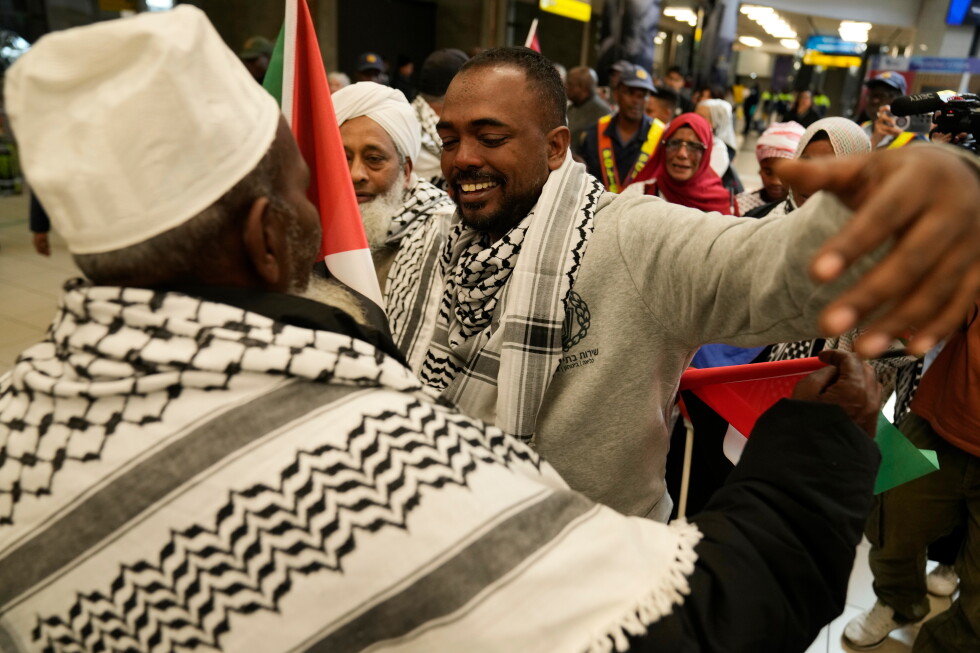
JOHANNESBURG — After returning to their home countries over the weekend, dozens of international activists who participated in the Global Sumud Flotilla, a mission to break Israel’s years-long blockade on the Gaza Strip and deliver humanitarian aid to Palestinian civilians, have come forward with detailed, harrowing allegations of systemic abuse, beatings and torture at the hands of Israeli soldiers during their detention.
The 50-vessel flotilla was intercepted by Israeli forces this past Monday while sailing in international waters, approximately 400 kilometers off Israel’s Mediterranean coast. All activists on board were taken into custody and transferred to Israel’s K’tziot Prison, where they were held for several days before being released.
Multiple activists have shared consistent accounts of cruel treatment behind bars. Several detainees reported being subjected to electric shock during interrogations focused on their roles in the aid mission. Faizel Moosa, a South African activist and a former anti-apartheid campaigner who endured state detention during the fight against white minority rule, said the abuse he experienced at the hands of Israeli soldiers was far worse than any mistreatment he faced under apartheid.
“We were denied access to clean water for extended periods. The food we were given was unfit for human consumption. We were blocked from using toilets for many hours, and when we protested the inhumane conditions, Israeli forces opened fire on us with rubber bullets,” Moosa explained. “Having lived through detention under the apartheid regime, this treatment was far worse. That tells you everything about what Palestinians endure at the hands of Israel every single day.”
Moosa added that abuse was harsher for activists confirmed to be South African, a reference to South Africa’s landmark case against Israel at the International Court of Justice, where Pretoria has accused Israel of committing acts of genocide in Gaza. The South African delegation’s legal arguments have drawn global attention and broad support from the international community.
Dr. Margaret Connolly, a member of the flotilla’s 15-person Irish contingent and sister of Irish President Catherine Connolly, described conditions in the detention facility as openly dehumanizing, saying she had never experienced fear like it in her life. She told reporters after arriving home to a cheering welcome in Dublin Saturday that some detainees were beaten with rifle butts, while dozens of detainees had their clothing seized and were denied blankets in cold cells, forcing them to huddle together to avoid hypothermia.
Connolly added that Israeli forces confiscated her full medical kit upon intake, preventing her from providing necessary care to injured detainees. When makeshift bandages crafted from bread bags and torn shirt sleeves were created to treat wounds, those were also confiscated by guards. “They intentionally wanted us to suffer,” she said, noting that many of the shouting guards carried American accents and repeatedly taunted detainees, saying “You should have thought of this before you came.”
Connolly also criticized her own government’s policy toward Israel, calling out Dublin’s refusal to implement economic sanctions against the country over its military campaign in Gaza.
Three Chilean activists from the flotilla also returned home Saturday, and they echoed the allegations of abuse while also condemning their own government for failing to act to secure their timely release. Víctor Chanfreau, Claudio Caiozzi and Carolina Eltit were greeted by hundreds of pro-Palestinian supporters waving Palestinian flags at Santiago’s international airport. Eltit described being beaten and held in catastrophic conditions: “We had no toilet paper, one single bathroom for 190 detained people, we were left lying tied hand and foot directly in the burning sun.”
Chanfreau accused the Chilean Foreign Ministry of “negligence” in its diplomatic efforts to secure the group’s release, saying “The Chilean government acted terribly, and this is no surprise.”
South African activist Qutb Hendricks called on Pretoria to ramp up diplomatic and economic pressure on Israel, urging the government to ban all coal exports and other commercial trade with the country in response to the abuse.
Israeli officials have forcefully rejected all allegations of mistreatment, calling the claims “false and entirely without factual basis.” As of Saturday evening, the Israeli government had not issued any further response to the detailed accusations released by the returning activists.