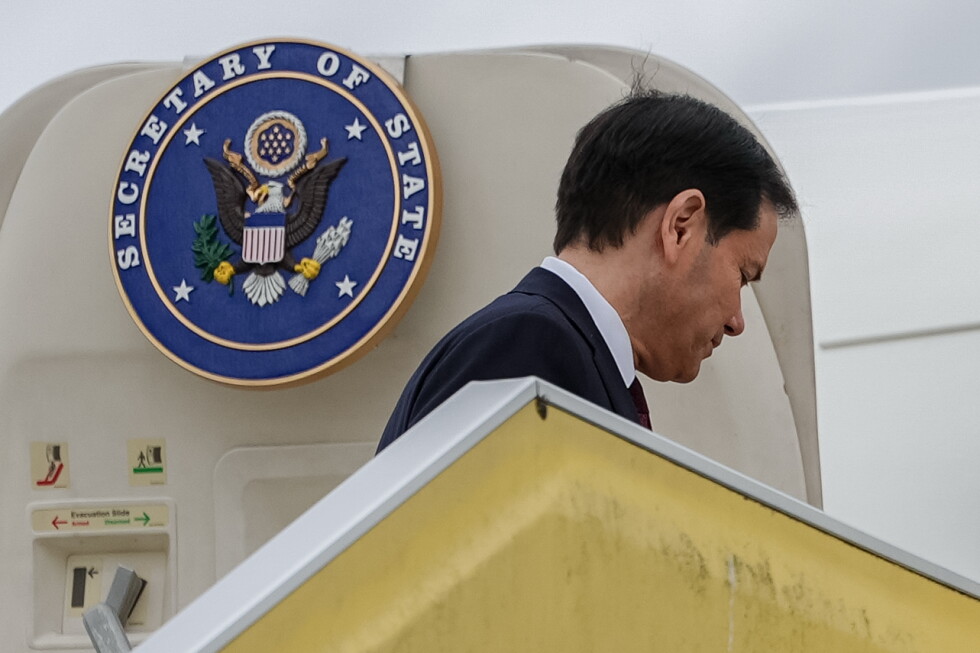
NEW DELHI – U.S. Secretary of State Marco Rubio touched down in India on Saturday, kicking off a four-day trip that will culminate in a high-stakes regional ministerial gathering with top diplomats from the Quadrilateral Security Dialogue (Quad), the Indo-Pacific strategic bloc comprising the United States, India, Australia, and Japan.
The trip arrives at a critical juncture for U.S.-India ties, as Washington works to repair bilateral relations strained by former President Donald Trump’s contentious tariff policies, which imposed steep new duties on a range of Indian goods exported to the American market. While mending bilateral friction is a key undercurrent of the visit, much of Rubio’s schedule is dedicated to a multi-city cultural tour and a celebratory event marking a major American milestone.
Before departing for India, Rubio framed the trip as a meaningful moment for deepening cooperation between the two nations, noting, “There’s a lot to work on with India, they’re a great ally and partner. We do a lot of good work with them so this is an important trip.”
Rubio’s first stop after arrival was Kolkata, the bustling eastern Indian metropolis. There, he is slated to visit the Mother House, global headquarters of the Missionaries of Charity, the iconic humanitarian organization founded by Nobel Peace Prize winner Mother Teresa. In the days ahead, he will also travel to Agra, home to the world-famous Taj Mahal, and Jaipur, the fabled “Pink City” renowned for its royal palaces and historic architecture.
Alongside the cultural itinerary, Rubio has a packed schedule of high-level bilateral diplomacy: he will hold formal one-on-one talks with India’s External Affairs Minister Subrahmanyam Jaishankar, and is expected to meet privately with Indian Prime Minister Narendra Modi to discuss bilateral and regional priorities.
The centerpiece of the visit will come Tuesday, when Rubio joins his Quad counterparts in New Delhi for the bloc’s latest ministerial meeting. The Quad has repeatedly raised international alarm over what it describes as increased Chinese military posturing in the South China Sea and aggressive pursuit of contested maritime territorial claims in the strategically vital waterway.
China has pushed back firmly against these criticisms and the Quad’s broader regional role. Beijing argues that its military activities in the South China Sea are purely defensive, carried out to protect its recognized sovereign rights. Chinese officials have repeatedly characterized the Quad as a deliberate Western-led effort to curb China’s global economic expansion and diplomatic influence.
For Rubio, the India trip marks a continuation of his focus on the Quad as a core U.S. foreign policy priority in the Indo-Pacific. Shortly after his inauguration as Secretary of State in January of last year, his first formal international engagement was a series of meetings with his fellow Quad foreign ministers, both in group discussions and separate bilateral sessions, underscoring the Biden administration’s commitment to strengthening the bloc.