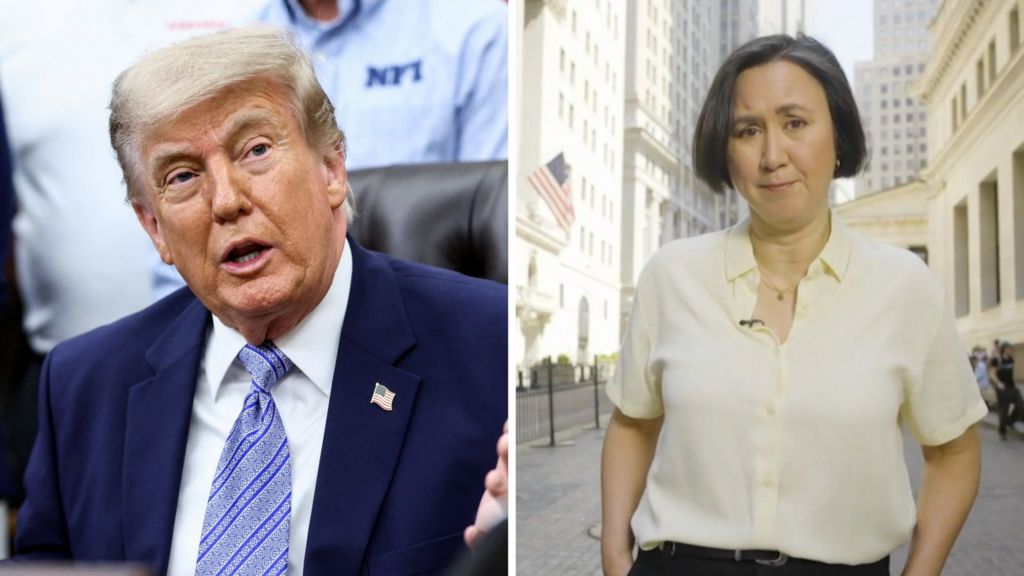
A growing wave of scrutiny has descended on thousands of stock market transactions tied to Donald Trump, prompting questions about financial disclosure compliance and potential conflicts of interest that have captured the attention of political observers and financial regulators alike. The controversy, first explored in depth by BBC business correspondent Michelle Fleury, centers on the public disclosures of trading activity submitted by the former president, which have left analysts and ethics watchdogs raising red flags over unusual patterns and potential gaps in transparency. For years, the financial dealings of sitting and former U.S. presidents have been a flashpoint for public debate over ethical governance, with critics arguing that any failure to fully disclose market activities opens the door to accusations of improper influence or use of non-public information for personal financial gain. What makes this current development unusual is the sheer volume of trades that have come under review, far outpacing the typical level of financial activity reported by past presidents and leading ethicists to question how Trump’s business interests intersect with his political position. As the scrutiny intensifies, Washington watchdogs are calling for a full review of the transactions to determine whether any violations of federal ethics rules or disclosure requirements have occurred, while legal analysts note that the controversy adds another layer of complexity to the already fraught political and legal landscape surrounding the former president. Financial markets experts also point out that even if no rules were broken, the perception of improper activity tied to a major political figure can erode public trust in both the political system and the fairness of the stock market, highlighting the need for strict transparency standards for senior government officials.