Fresh diplomatic momentum emerged Saturday as senior officials from the United States, Iran, and mediator Pakistan all reported encouraging steps toward a negotiated end to ongoing regional conflict, with a preliminary 30 to 60-day framework agreement reportedly close to finalization. Pakistan’s military, which has served as a critical go-between for Washington and Tehran amid heightened tensions, confirmed that Army Chief Field Marshal Syed Asim Munir held high-stakes talks with top Iranian leaders in Tehran over the past day. In an official statement, the military noted that negotiations centered on accelerating ongoing diplomatic consultations to bolster regional peace and stability, adding that the 24 hours of talks had yielded measurable, encouraging progress toward a final understanding.
U.S. Secretary of State Marco Rubio, speaking to reporters during an official visit to New Delhi, India, confirmed that a finalized agreement could come within days, as early as Saturday itself, though he declined to share further granular details. “There might be some news a little later today. There may not be. I hope there will be,” Rubio told reporters, adding that even as he spoke, diplomatic teams continued to work through remaining sticking points. “There is a chance that, whether it’s later today, tomorrow, in a couple days, we may have something to say,” he said.
U.S. President Donald Trump told Axios Saturday that he would convene a meeting with his lead negotiating team later that day to review Iran’s latest formal proposal, with a final decision expected by Sunday: either sign off on what he called a “good” deal, or escalate ongoing U.S. military action against Iran. Trump framed the choice starkly, telling Axios he would opt between securing a negotiated agreement or “blowing them to kingdom come.”
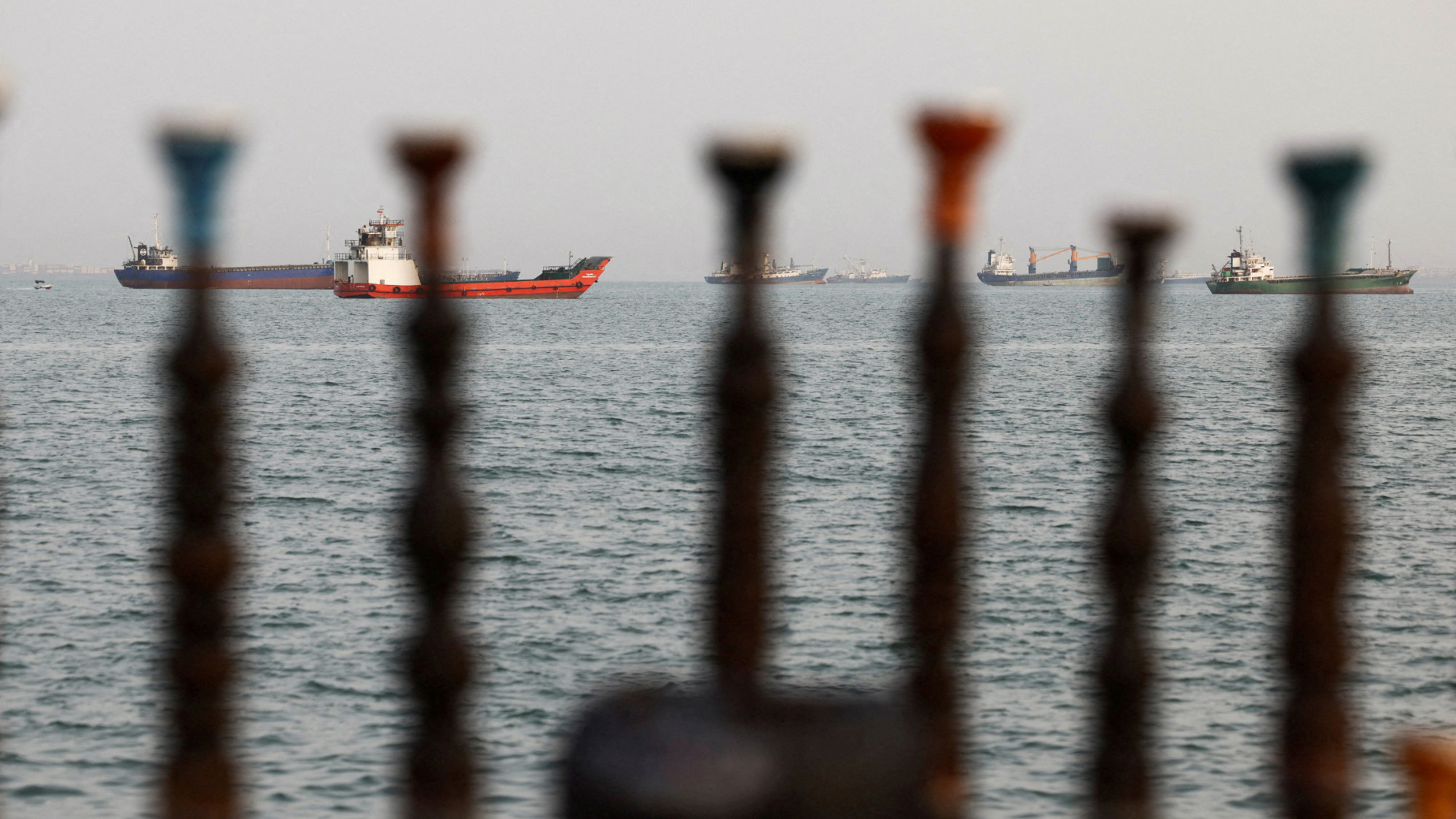
In Tehran, Iranian Foreign Ministry Spokesperson Esmaeil Baghaei confirmed to state television that Iranian negotiators are in the final stages of drafting a memorandum of understanding, which will act as the initial, temporary framework agreement spanning 30 to 60 days. The 14-clause draft, Baghaei explained, covers core sticking points including access through the Strait of Hormuz, the U.S. naval blockade on Iran, and a ceasefire ending hostilities across all regional fronts, including Lebanon.
Baghaei acknowledged that diplomatic talks have moved the two long-standing adversaries toward a rapprochement, but cautioned that a final breakthrough on all core issues remains far from guaranteed. He added that Iran’s nuclear program will be excluded from the initial temporary framework, with negotiations on that dossier pushed to separate discussions at a later stage. Throughout the 30 to 60-day initial window, both sides will continue working toward a permanent, long-term agreement, he clarified.
Separately, the Financial Times reported Saturday that diplomatic mediators are close to finalizing a deal to extend an existing ceasefire for 60 days, matching the timeline laid out by Iranian officials. Under the terms of the proposal seen by the outlet, the agreement would include the gradual reopening of the Strait of Hormuz—one of the world’s most critical global energy chokepoints—and talks on diluting or transferring Iran’s stockpile of highly enriched uranium. In exchange, the U.S. would ease restrictions on Iranian ports, roll back some sanctions, and begin the phased release of billions of dollars in Iranian assets frozen in foreign accounts.
“The deal seems to be going in the right direction. It’s with the Americans now for review,” a senior anonymous diplomat told the Financial Times. The diplomat added that Iran is willing to make broader concessions on its nuclear program, but will not do so while active hostilities continue, making the current preliminary framework a critical step to bridge gaps between the two sides.