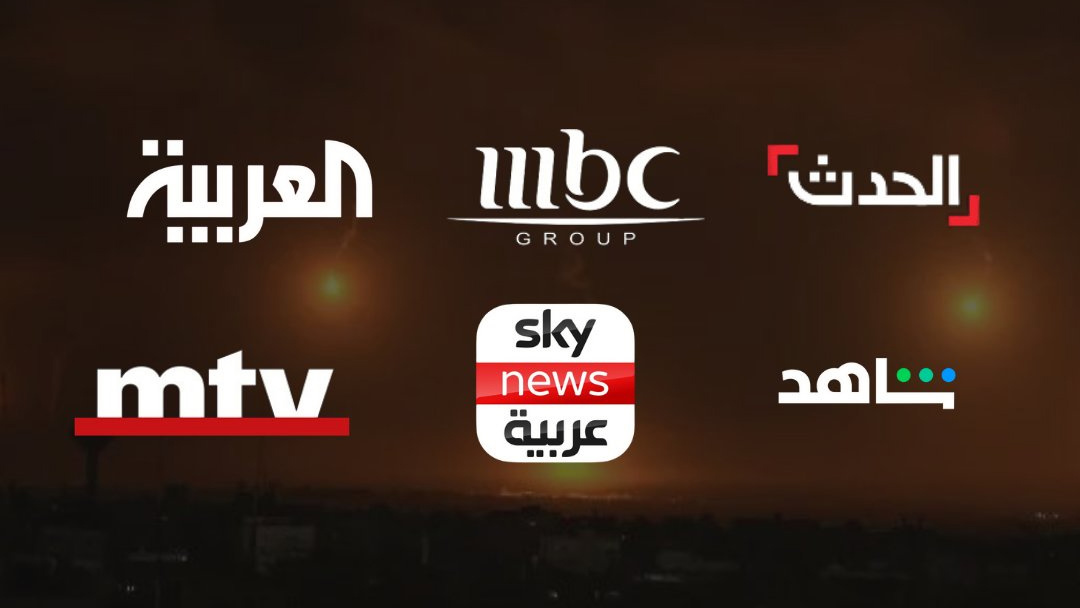
The global Boycott, Divestment and Sanctions (BDS) movement has issued a public appeal via its Arabic-language social media account urging widespread boycotts of a slate of major Arabic-speaking media platforms it labels as “mouthpieces of the Israeli enemy”.
The list of targeted outlets includes three prominent Saudi-owned networks: Al Arabiya, MBC, and Al Hadath, alongside the United Arab Emirates-based Sky News Arabia, popular regional streaming platform Shahid, and Lebanon-based domestic news network MTV. In its official statement, BDS accuses these outlets of far more than just advancing diplomatic detente between Arab nations and Israel. The movement argues the channels act as core tools of a colonial ideological campaign targeting Arab public consciousness, working systematically to plant despair and push pro-Israel framing across the region.
BDS supports its accusations by pointing to coverage from these outlets that aligns with Israel’s official narrative amid its ongoing military conflicts in Gaza and southern Lebanon. Examples cited include reports repeating Israel’s claim that Hamas uses civilian hospitals for military operations, as well as broadcasts that include interviews with sitting Israeli government officials. Beyond calling on individual audiences to stop watching and subscribing to the named channels, BDS is also pressing regional journalist unions to cut formal ties with the outlets and anchor their professional commitments in opposition to normalization with Israel.
This boycott call lands amid a sharp wave of already growing public anger toward many of the targeted networks across the Arab world. The most dramatic public backlash unfolded in Baghdad, Iraq, where protesters stormed and ransacked MBC’s Baghdad bureau after the network ran a report labeling Hamas, Hezbollah, and armed Iraqi factions as terrorist organizations. In the aftermath of the incident, Iraqi media regulators formally suspended MBC’s operating license in the country, justifying the move by saying the channel had violated national media rules by “assaulting the martyrs” and violating obligations to protect national values and public morality.
The inclusion of MTV, a Lebanon-focused outlet that primarily covers domestic political debates tied to the Israel-Hezbollah conflict, has drawn particular pushback from media freedom advocates, who argue BDS has overlooked the complex local nuance of Lebanon’s political landscape.
Hezbollah’s open military confrontation with Israel, launched on October 8, 2023 as a solidarity front with Gaza, has remained a deeply divisive issue in Lebanese domestic politics from the start. Tensions only escalated after Israel launched large-scale bombing campaigns across southern Lebanon last month, followed by a limited ground incursion into border areas weeks later. MTV has faced intense domestic criticism from Hezbollah supporters for its consistent critical coverage of the armed group’s decision to open the conflict front. Many Lebanese have deemed the network’s reporting on the issue dangerous and unethical.
Scrutiny of MTV intensified to new heights following an Israeli airstrike on al-Qard al-Hassan, a Hezbollah-linked financial organization, in early 2024. Just days before the strike, MTV published a series of reports naming the group as a likely next target for Israeli attacks. In the aftermath of the bombing, Hezbollah’s head of media relations Mohammed Afif used a public press conference to address all Lebanese media outlets, declaring that “media freedom does not allow you to incite or be complicit in murder”.
Even amid widespread criticism of MTV’s editorial choices, many regional analysts and media freedom advocates emphasize that debates over Hezbollah’s role in Lebanon and its decision to enter the conflict are core domestic conversations that Lebanese stakeholders have the right to hold among themselves. Jad Shahrour, spokesperson for the Samir Kassir Eyes Center for Media and Cultural Freedom, a Beirut-based freedom of press advocacy group, notes that while boycott campaigns can carry legitimate humanitarian goals, targeting a domestic Lebanese outlet in this context undermines BDS’s broader objectives. “When you drown in political corners, you lose sight of your influence on public opinion,” Shahrour explained.
Shahrour warned that adding MTV to the boycott list puts the network’s already vulnerable staff at heightened risk of violence, harassment, and public accusations, all against the backdrop of extreme political polarization that has left Lebanon on the brink of internal collapse. “The Lebanese fabric is in danger, and we are nearing an explosion into what may look like a civil war,” he added.
Founded on the model of the global anti-apartheid boycott movement that targeted segregation-era South Africa, BDS works to push for nonviolent international pressure to force Israel to end its occupation of Palestinian territories and address what the movement frames as ongoing violations of Palestinian human rights. This report was produced by Middle East Eye, an independent media outlet focused on original coverage and analysis of the Middle East and North Africa region.