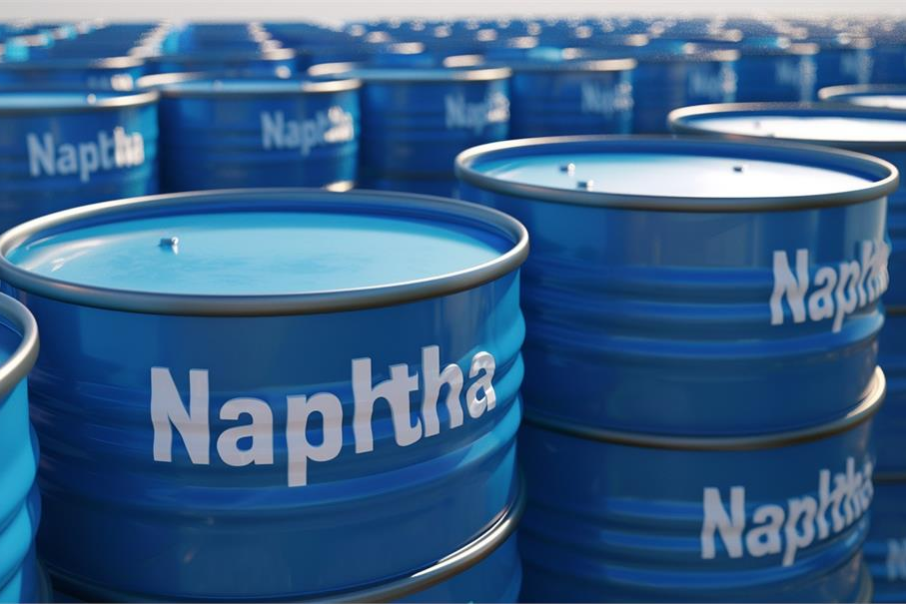
More than 11 weeks into the ongoing US-Israeli military campaign against Iran, widespread economic disruption is rippling through the interconnected industrial supply chains of Asia, driven by a rapidly deepening shortage of critical petrochemical products, most notably naphtha. Before the outbreak of hostilities, nearly all naphtha exported from Middle Eastern producers was destined for Asian markets, according to Darryl Xu, principal analyst for base chemicals and feedstocks at ICIS Analytics based in Singapore. Middle Eastern suppliers account for roughly 65% of all naphtha imports into Asia, but shipping disruptions along the Strait of Hormuz have halted the vast majority of these cargoes, and alternative supply sources are unable to fully offset the gap, Xu explained. Naphtha, a fundamental derivative of crude petroleum, is a core input for manufacturing solvents and the resin used in commercial printing inks. Persistent supply shortages have the potential to disrupt sectors spanning food packaging, consumer goods, medical equipment manufacturing and infrastructure construction materials across the region. Last week, major Japanese snack manufacturer Calbee announced it would transition packaging for a selection of its potato chip lines to simplified black-and-white packaging, labeled explicitly as “packaging for conserving petroleum materials.” “The company will revise the packaging specifications of some of its products as an interim measure, with the highest priority placed on ensuring a stable supply of products,” Calbee stated in an official release Tuesday. Despite these industry adaptations, Japanese Deputy Chief Cabinet Secretary Kei Sato told reporters the Japanese government had not received any reports of immediate, widespread disruptions to naphtha or printing ink supplies, and maintains the country has secured sufficient stockpiles to meet near-term demand, Reuters reported. In the Republic of Korea, growing anxiety is mounting across the food packaging sector, as the national government works to implement emergency measures to stabilize volatile supplies. Local industry leaders report that raw material costs have surged 40 to 50% since the outbreak of the conflict. The ROK and Japan rank among the most vulnerable Northeast Asian economies to naphtha supply shocks, explained Kwon Seok-joon, an associate professor of chemical engineering at Sungkyunkwan University. In the first half of 2026, roughly 45 to 47% of the ROK’s total naphtha supply is imported, and more than three-quarters of those imported volumes originate from Middle Eastern producers, Kwon noted. Beyond the immediate shipping disruptions, the greater long-term risk stems from the structural vulnerabilities inherent in the ROK’s petrochemical sector, which is structured around naphtha refining, Kwon added. While Japan also faces high exposure to supply disruptions, the ROK’s vertically integrated petrochemical industry is far more dependent on naphtha-based refineries, leaving downstream manufacturing sectors including plastics, rubber, packaging and paints disproportionately exposed to shocks. “If the current situation continues for several more months, the sustainability of these industries could become very fragile,” Kwon warned. Even if full navigation through the Strait of Hormuz is restored immediately, naphtha supplies will not rebound quickly to pre-conflict levels, due to accumulated shipping backlogs, permanently elevated freight and insurance costs, and mismatched contracting terms between existing Middle Eastern supply agreements and newly sourced alternative cargoes, he added. Following the outbreak of the crisis, buyers are now paying price premiums of up to $150 per metric ton to secure available naphtha cargoes, Xu said, while major Asian producers of plastics and olefins — the foundational building blocks of the global petrochemical sector — have been forced to cut operating rates to minimum levels. Even at reduced output, a single large olefins plant still requires more than 150,000 tons of naphtha to maintain operations. Kwon projected that the ongoing crisis will likely compel policymakers and industry leaders across major Asian economies to implement long-term structural adjustments to reduce reliance on single-source Middle Eastern energy and petrochemical inputs.