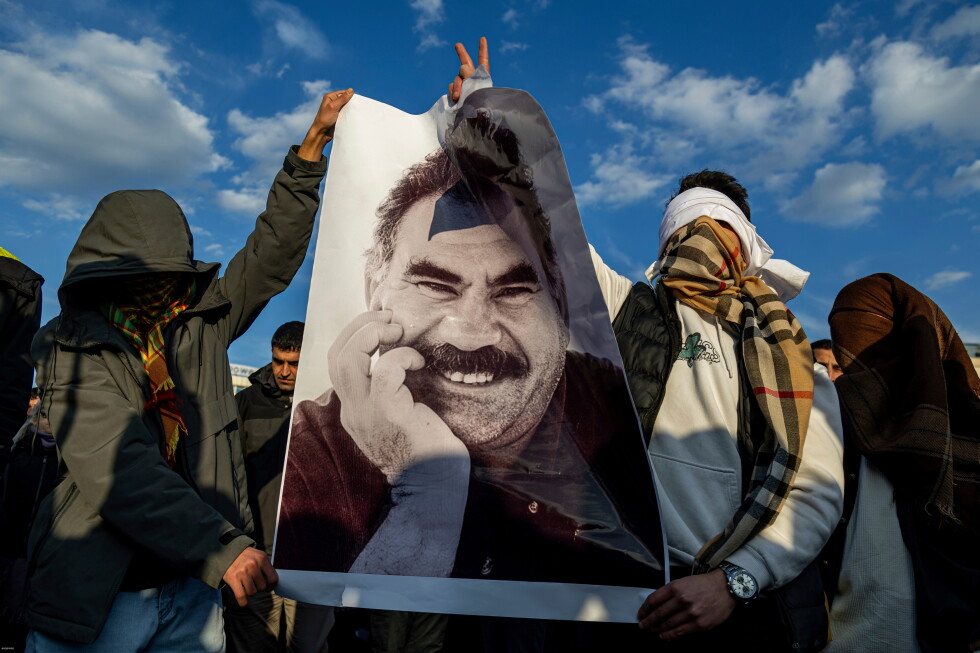
ANKARA, Turkey – A new chapter in decades of tensions between Turkey and the Kurdistan Workers’ Party (PKK) opened Monday, as lawmakers kicked off parliamentary debate on a landmark draft bill designed to cement a fragile peace deal through a conditional amnesty program for thousands of Kurdish militants. The legislation marks the government’s first formal legislative response to the PKK’s historic decision last year to end a 40-year armed insurgency against the Turkish state.
Last year, imprisoned PKK leader Abdullah Ocalan called on the group to lay down its arms, a request that prompted the organization to formally end its decades-long armed campaign, announce plans to disarm and disband, and withdraw its remaining fighters based inside Turkey to its stronghold in northern Iraq. The group later held a public symbolic disarmament ceremony in northern Iraq, but analysts note it still retains control of the vast majority of its weapons stockpiles.
Spanning 12 articles, the proposed legislation lays out clear frameworks for two core goals: formalizing the PKK’s full disarmament and supporting the social rehabilitation of thousands of group members. Under the bill’s terms, qualifying convicted PKK members will see their prison sentences suspended, while ongoing investigations and trials will be paused for five or 10 years, based on the severity of their alleged offenses. If beneficiaries do not commit any additional terror-related crimes during the suspension period, all outstanding cases against them will be permanently dropped.
Critically, the legislation excludes militants convicted of intentional homicide and those handed life sentences before 2005 from its amnesty provisions – a carve-out that explicitly applies to Ocalan, who has been imprisoned on an island prison off Istanbul since 1999, as well as the PKK’s most senior leadership. Despite excluding Ocalan from amnesty eligibility, Turkish media reports have indicated authorities are preparing to improve Ocalan’s prison conditions, expanding his access to visitors and outside communication, though the draft text makes no official mention of his status or potential future release.
To ensure accountability throughout the process, the bill establishes both ministerial and parliamentary committees tasked with monitoring the PKK’s disarmament. The legislation will only enter into force after Turkey’s National Security Council officially confirms the PKK has fully disbanded and surrendered all of its weapons. Individuals seeking to benefit from the amnesty will have a six-month application window starting from when the National Security Council’s confirmation is published in Turkey’s Official Gazette. Media analysts expect the bill to extend eligibility to exiled PKK members currently based in Iraq and Syria.
Political observers widely project the bill will pass comfortably, as it counts on support from three key blocs: President Recep Tayyip Erdogan’s ruling Justice and Development Party, its nationalist parliamentary allies, and the pro-Kurdish DEM Party. The DEM Party has actively pushed for formal recognition of Ocalan’s role in coordinating the post-insurgency transition, a step it hopes will ultimately lead to Ocalan’s release.
The PKK launched its original insurgency against the Turkish state in 1984, a conflict that has claimed more than 40,000 lives and spilled across the border into neighboring Iraq and Syria. The organization is classified as a terrorist group by Turkey, the United States, and the European Union. While it initially demanded an independent Kurdish state, the PKK later revised its goals to push for greater autonomy and expanded political and cultural rights for Turkey’s Kurdish minority. Previous attempts to broker a lasting peace between the two sides have collapsed, most recently in 2015, making this latest legislative push the most significant step toward peace in nearly a decade.