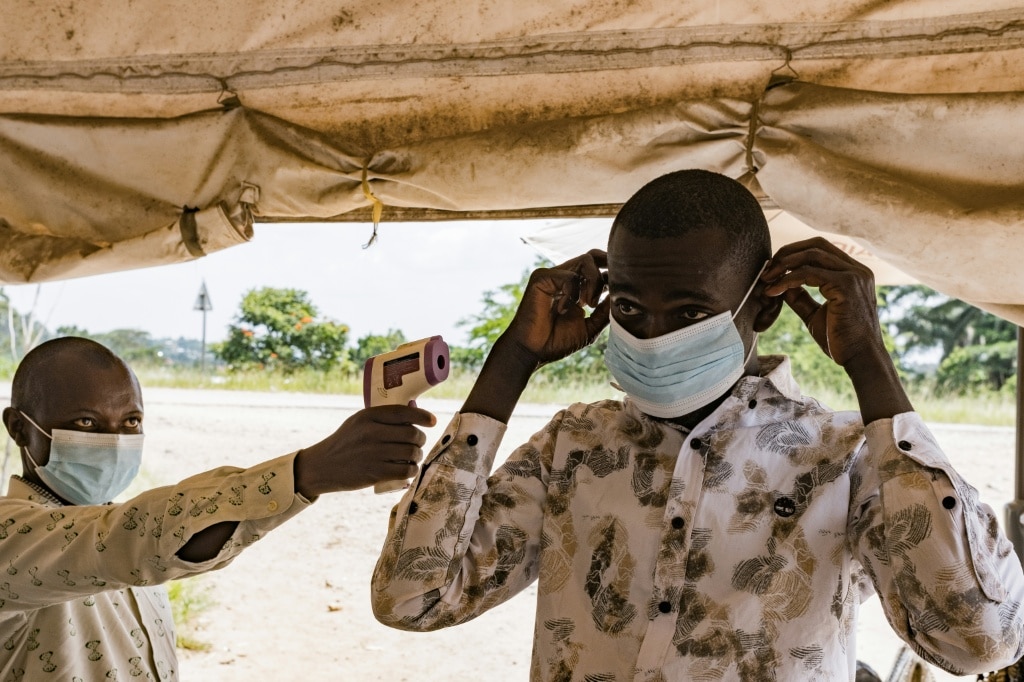
The United States has rolled out new public health measures to block Ebola importation and spread, including mandatory airport screening for travelers from affected Central African regions, after a United States citizen working in the Democratic Republic of Congo (DRC) tested positive for the deadly virus, the U.S. Centers for Disease Control and Prevention (CDC) announced Monday.
The updated precautions come just after the World Health Organization (WHO) designated the ongoing Ebola outbreak in eastern DRC as a Public Health Emergency of International Concern, the global body’s highest alert level for cross-border disease threats. During a press briefing, CDC Ebola response incident manager Satish Pillai confirmed that the infected American developed symptoms over the weekend and returned a positive diagnosis late Sunday. Medical teams are currently arranging to transfer the patient to Germany for specialized care, and six additional people who may have been exposed are being evacuated out of the region for mandatory health monitoring.
There are currently 25 U.S. personnel based at the CDC’s DRC field office, and the agency is deploying an additional senior technical coordinator to support local response efforts at the request of global health partners. As of Monday, CDC officials assess the immediate risk of widespread Ebola transmission to the general U.S. public remains low. “We will continue to evaluate the evolving situation and may adjust public health measures as additional information becomes available,” the agency said in an official statement.
Alongside expanded entry screening at all U.S. airports, the CDC has implemented new entry restrictions for non-U.S. citizens: any traveler who has visited the DRC, Uganda, or South Sudan in the 21-day incubation window for Ebola will be barred from entering the United States. The U.S. Embassy in Kampala, Uganda, has also temporarily suspended all routine visa services, with notifications already sent to all applicants impacted by the pause.
Former U.S. President Donald Trump noted Monday that he was concerned by the outbreak’s scale but added, “I think that it’s been confined right now to Africa.”
As of Sunday’s official update from DRC Health Minister Samuel-Roger Kamba, the outbreak has been linked to 91 suspected deaths and roughly 350 suspected cases, with most infections recorded among people aged 20 to 39, and over 60% of cases affecting women. There is currently no licensed specific treatment or widely available vaccine for the Ebola strain driving the current transmission surge.
The U.S. response has drawn criticism from global health experts, particularly in the wake of the Trump administration’s formal withdrawal from the WHO earlier this year. For weeks, current U.S. officials have declined to answer questions about how deep cuts to the U.S. Agency for International Development (USAID) – an organization that led coordinated response efforts during past Ebola outbreaks – have undermined current monitoring and containment work.
CDC officials have pushed back on some criticism, emphasizing that the agency remains in close collaboration with international partners and local health authorities in affected countries. The new measures announced Monday include sustained deployment of CDC personnel to support outbreak containment, contact tracing of exposed individuals, and laboratory testing in affected regions. The U.S. State Department also announced Monday that it has mobilized $13 million in emergency funding to support immediate response operations.
Still, Matthew Kavanagh, director of the Georgetown University Center for Global Health Policy and Politics, called the U.S. response to date “disappointing,” arguing that the new travel restrictions and entry screenings are “more theater than effective public health measures.” He noted that the Trump administration has long claimed it could replace WHO’s global outbreak response capacity with bilateral deals and domestic U.S. efforts, saying “This outbreak clearly shows that is a failed strategy.”
During previous large Ebola outbreaks in Central Africa, coordinated action between USAID, CDC, and U.S.-funded non-profit organizations enabled rapid deployment of resources and swift containment of spread, Kavanagh explained. In contrast, “we’re weeks into an outbreak and only finding out about it after hundreds of cases and major spread including to the capital city of Uganda,” he said, adding that the current administration is “playing catch-up” to a rapidly evolving crisis.