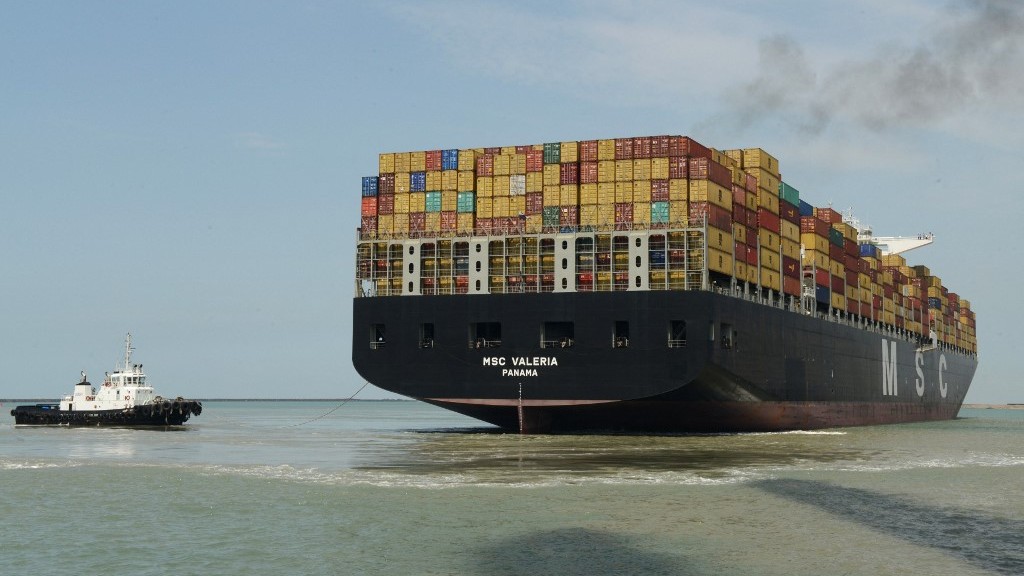
A coalition of pro-Palestinian advocacy groups — the global Boycott, Divestment and Sanctions (BDS) movement and No Harbour for Genocide (NHFG) — has sounded a urgent alarm over a surge of military-grade material shipments from India to Israeli weapons manufacturers, uncovering six separate consignments of military-spec steel that activists say are destined for artillery production for the Israeli military.
The six shipments, tracked by the coalition, collectively total roughly 806 tonnes of military-grade steel. Activists calculate this volume is sufficient to manufacture up to 17,458 155mm artillery shells, a core ammunition type used extensively by the Israeli military in its ongoing campaigns in Gaza and Lebanon. Three of the shipments, transported by Geneva-based global shipping giant Mediterranean Shipping Company (MSC), are currently detained at Italian ports: two in Calabria’s Gioia Tauro and one in Cagliari, Sardinia. Activists are escalating pressure on Italian authorities to conduct full inspections of the cargo. MSC has not responded to multiple requests for comment from Middle East Eye (MEE) on the matter. The remaining three shipments were diverted away from Mediterranean routes and rerouted to Sri Lanka, with shippers reportedly searching for an alternative path to deliver the cargo to Israel, according to the coalition.
Activists have confirmed all six shipments originate from R L Steels & Energy Limited, a firm based in Aurangabad, India, and are ultimately bound for a key ammunition production facility owned by Elbit Systems Land (formerly IMI Systems) in Ramat Hasharon, Israel. The $1 million worth of cargo departed India’s Jawaharlal Nehru Port in Maharashtra between January and March 2026. This is not the first time the Indian firm has supplied military material to Israeli arms manufacturers: in October 2025, R L Steels delivered 125 tonnes of military-grade steel to Israel as part of a larger 440-tonne military cargo that also included 175 tonnes of 155mm artillery shell bodies and 140 tonnes of mortar component parts, according to prior reporting from The Ditch.
Ilham Yaseen, military embargo coordinator for the BDS movement, told MEE that the series of shipments expose what the movement calls a ‘flood’ of military supplies flowing from India to Israel amid ongoing Israeli military campaigns. Founded in 2005, BDS organizes nonviolent pressure campaigns to push Israel to comply with international law. Yaseen said the movement is demanding global pressure to block these shipments from reaching Israeli forces, and to hold both India’s far-right national government and any complicit Indian private firms accountable for facilitating what the movement calls Israeli atrocity crimes in Palestinian and Lebanese territories.
Activists emphasize that the shipments come in a clear context: India has stepped in to fill critical gaps in Israeli military supply chains that have emerged over 2.5 years of active conflict in Gaza, despite a 2024 International Court of Justice ruling that calls on all UN member states to avoid any action that could support Israel’s military campaign, which has been formally recognized as genocide by the United Nations, hundreds of genocide scholars, and leading global human rights organizations. Since the outbreak of full-scale war in October 2023, more than 200,000 Palestinians in Gaza have been killed or injured, and activists note that even amid a recent temporary ceasefire, what they describe as a ‘slow-motion genocide’ continues in the besieged enclave. Israeli military operations in southern Lebanon have also killed more than 3,000 people since hostilities escalated in 2025.
A NHFG spokesperson explained that while Israel maintains a large domestic military industrial complex, it relies on imported raw materials for large-scale ammunition production. ‘This military steel is going directly to the Ramat Hasharon ammunition plant, which produces no civilian goods — 100 percent of its output is for military use,’ the spokesperson confirmed. The Ramat Hasharon facility was previously scheduled for permanent closure, but the urgent need for uninterrupted artillery production amid the current conflicts has led the Israeli government to keep it open and even ramp up output, according to activists.
Israel’s demand for 155mm artillery shells surged immediately after the October 7, 2023 Hamas attacks on southern Israel: Israeli forces fired more than 100,000 shells into Gaza and Lebanon in the first few months of the conflict alone, depleting stockpiles so rapidly that the Israeli government requested emergency additional shipments of 155mm rounds from the United States as early as mid-October 2023. India has a well-documented recent history of expanding military shipments to Israel: in early 2024, New Delhi delivered Indian-assembled Hermes 900 drones to Israel, followed by multiple shipments of other military equipment including rockets. NHFG says the newly tracked steel shipments are critical to helping Israel resolve its ongoing 155mm shell shortfall.
India’s federal government has already faced sustained criticism from domestic and international civil society for its ongoing military trade with Israel. New Delhi abstained from a April 2024 United Nations Human Rights Council vote that called for a global arms embargo on Israel, and in September 2025, the Indian Supreme Court immediately dismissed a petition filed by Indian activists and lawyers seeking a formal ban on all arms shipments to Israel.
Yaseen noted that imposing a military embargo on Israel at this juncture is both a moral and legal obligation for all states, adding: ‘India was once a global leader advancing UN principles and multilateralism rooted in justice, freedom, and equality. Today, its far-right government has turned India into a world leader in arming genocide and apartheid.’
Activists also uncovered evidence that shippers have deliberately structured the supply chain to obscure the origin and final destination of the cargo. Four of the six shipments share identical export codes and product grades, and are routed through a procurement intermediary called Banyan Group International (BGI), a firm that markets itself as a bridge connecting Israeli companies seeking to source raw materials from Indian suppliers. BGI did not respond to MEE’s request for comment. Activists say the use of intermediaries is a deliberate tactic to separate the end Israeli buyer from the Indian source of the material to avoid scrutiny.
As activists began tracking the MSC-chartered vessels carrying the cargo starting in February 2026, shippers have repeatedly altered routes and moved between ports to avoid detection, echoing tactics documented in an April 2026 NHFG report that found Greek shipping firms have hidden military cargo destinations and disabled vessel tracking systems to bypass Turkey’s official trade embargo on Israel. The current shipments have already faced widespread opposition across Europe: Spanish authorities initially blocked one vessel from docking, Portuguese parliamentarians raised formal questions about a port call in Sines, and Greek dockworkers refused to unload the suspected cargo, before three shipments were ultimately detained in Italy for potential inspection.