A growing Ebola outbreak in the eastern Democratic Republic of the Congo has been designated a Public Health Emergency of International Concern by the World Health Organization, triggering global alerts as health authorities race to contain the spread of a strain with no approved countermeasures. Multiple sources close to the situation have confirmed to CBS News, the United States partner of the BBC, that at least six American citizens have been exposed to the virus within DRC borders.
Of the six exposed individuals, one has already begun showing characteristic Ebola symptoms, while three others are classified as having had high-risk exposure. Health officials have not yet confirmed whether any of the group have developed active infections. The U.S. Centers for Disease Control and Prevention has announced it is facilitating the safe evacuation of a small cohort of directly affected American nationals, but has declined to confirm the exact number of people being moved.
According to the latest official data collected by WHO, the outbreak, centered in DRC’s Ituri province, has already been linked to 336 suspected cases and 88 confirmed deaths. The current outbreak is driven by the Bundibugyo strain of Ebola, a variant for which no licensed vaccines or targeted antiviral treatments have been approved for widespread use. Beyond DRC’s borders, the CDC has confirmed two cases and one fatality in neighboring Uganda, marking the first cross-border spread of the current outbreak.
U.S. officials are working to arrange transportation for the exposed American group to a secure quarantine facility, senior sources told health news outlet STAT. The outlet further reports that unconfirmed plans under consideration would move the group to a U.S. military base in Germany for monitoring, though no final decision has been announced. During a press briefing held Sunday, CDC officials declined to respond to direct questions about the affected U.S. citizens, but emphasized that the overall risk of widespread Ebola transmission within the United States remains low. In line with the escalating risk, the U.S. State Department has issued a Level Four travel advisory – its highest warning level – urging all U.S. citizens to avoid non-essential and essential travel to DRC entirely.
While WHO has designated the outbreak a PHEIC, the agency confirmed the event does not yet meet the criteria to be classified as a pandemic. Still, WHO officials have issued stark warnings that the actual scope of the outbreak is likely far larger than current detected and reported case numbers, with substantial risk of further local and regional spread across central Africa.
The 2014-2016 West African Ebola outbreak remains the deadliest recorded event since the virus was first discovered in 1976, with more than 28,600 confirmed infections and 11,325 deaths across multiple countries in West Africa and beyond, including the U.S., United Kingdom, and Italy.
Jean Kaseya, Director General of the Africa Centres for Disease Control and Prevention, emphasized that without targeted vaccines or effective treatments, adherence to basic public health protocols is the most critical line of defense. He specifically highlighted the risk of transmission during traditional community funeral practices, which drove widespread transmission in the early stages of the 2014-2016 outbreak, when communities frequently handled the bodies of deceased loved ones during washing and burial rituals. “We don’t want people infected because of funerals,” Kaseya told BBC World Service’s *Newsday* program.
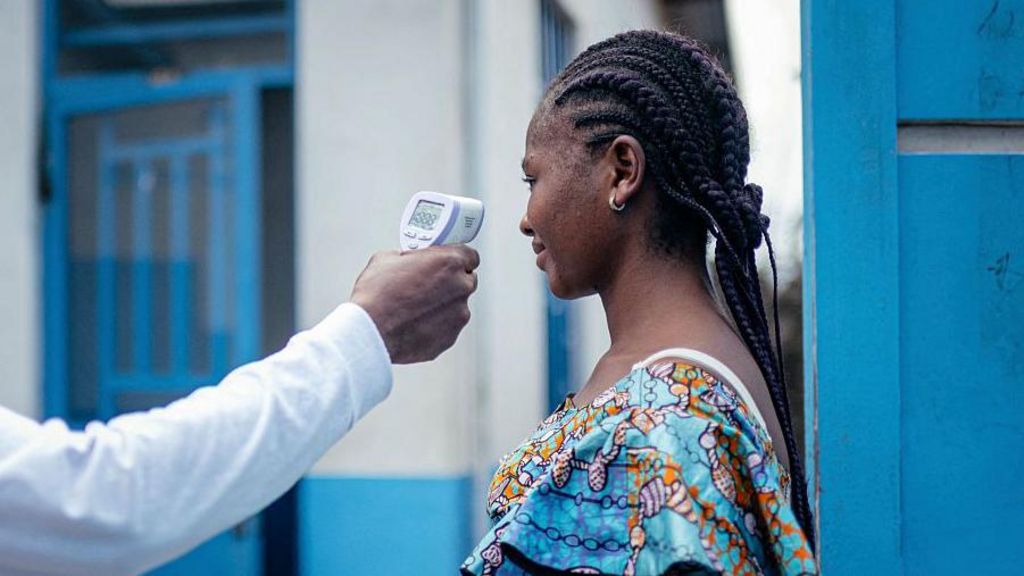
WHO has issued formal guidance to DRC and Uganda, the two countries with confirmed cases, calling for reinforced cross-border health screenings to stop the virus from expanding into new territories. The agency has also urged all neighboring countries to immediately enhance outbreak preparedness and surveillance capacity, including expanded monitoring at health facilities and community-level tracking. In response, neighboring Rwanda has already announced it will tightening screening protocols along its shared border with DRC as a proactive precautionary measure.
Ebola is a rare but extremely severe viral infection that carries a high mortality rate. Four known species of Ebola virus can cause human outbreaks, and the current strain is the Bundibugyo variant. Historically, Bundibugyo outbreaks have recorded an approximately 30% mortality rate among confirmed cases.
Transmission occurs between humans through direct contact with infected bodily fluids, including blood, vomit, and other secretions. Symptoms develop between 2 and 21 days after exposure, beginning with flu-like signs such as fever, headache, and fatigue. As the infection progresses, patients develop vomiting, diarrhea, organ failure, and in some cases, internal and external bleeding. Outbreaks typically originate when an initial human patient contracts the virus from an infected wild animal host, most commonly fruit bats. While effective vaccines exist for the more common Zaire Ebola strain, no comparable products are approved for use against Bundibugyo.