Australia’s decades-old investor-centric housing tax policies have long been criticized for funneling billions of dollars in public benefits into speculative investment, driving skyrocketing property prices and locking millions of aspiring homeowners out of the market. Now, the Albanese Labor government has tabled one of the most radical housing policy overhauls in a generation as part of its latest federal budget, aiming to reorient the market toward greater affordability and accessibility – but the reform has sparked fierce debate across industry, politics, and advocacy circles.
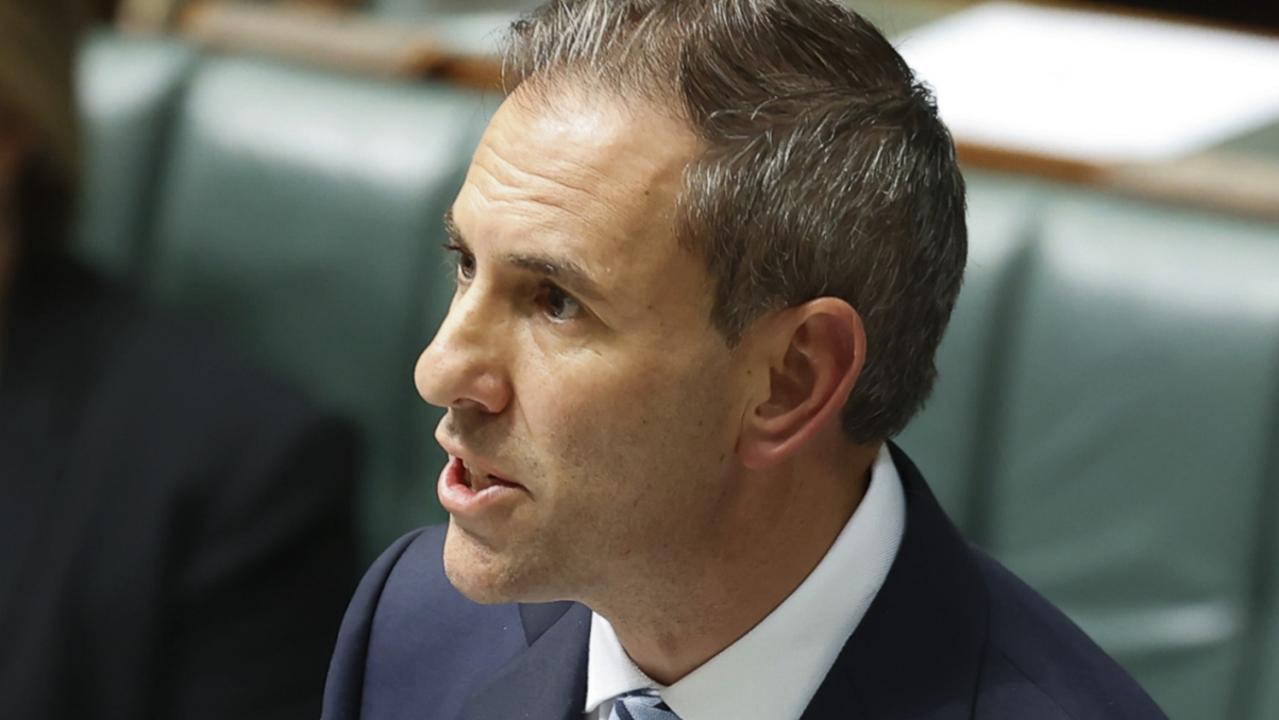
Treasurer Jim Chalmers announced the two core changes in his Tuesday budget speech. First, the existing 50% discount on capital gains tax (CGT) for property investors will be replaced with inflation-adjusted indexation, a shift that reduces tax breaks for investors who profit from rapid property price growth. Second, new property investors will only be eligible to use negative gearing – the tax break that allows investors to offset rental losses against other income – when investing in newly constructed residences.
Chalmers framed the reform as a long-overdue correction to a broken tax system that has favored speculators over working Australians chasing home ownership. “Since 1999, house prices have risen over 400%, more than twice as fast as average incomes,” he told parliament. “Our tax changes will help about 75,000 Australians achieve the dream of home ownership. We’re delivering a fairer tax system for workers, first-home buyers and future generations.”
The policy has drawn sharp opposition from the conservative Coalition, which has already pledged to repeal the changes if it wins the next federal election. Shadow housing spokespeople argue the reform is “an assault on aspiration”, discouraging ordinary Australians from building property wealth through investment. The nation’s major housing and property industry groups have echoed this criticism, warning the changes will erode investor confidence, create market uncertainty, and ultimately undermine Australia’s already pressing housing supply targets.
Jacob Caine, president of the Real Estate Institute of Australia (REIA), pointed out that the country is already behind schedule on its National Housing Accord target to build 1.2 million new homes between now and 2029. “At a time of acute rental stress and chronic undersupply, policy settings should be encouraging more investment into housing, not creating uncertainty or reducing confidence,” Caine said. “Private investment plays a critical role in Australia’s housing system.”
Tim Reardon, chief economist for the Housing Industry Association (HIA), added that investors accounted for 43% of all new home purchases over the past year. He noted that contrary to the government’s framing, the policy will not simply shift investment from established properties to new builds: “In the real world, capital is mobile. Investors aren’t limited to choosing between new or established homes – they can redirect capital to industrial property, commercial assets, shares or other classes of investment entirely.”
On the other side of the debate, housing affordability advocacy groups have hailed the changes as a historic turning point for Australia’s dysfunctional housing market. Everybody’s Home, a national campaign coalition working to end the national housing crisis, called the reform a long-overdue challenge to one of Australian policy’s most entrenched “sacred cows”.
Maiy Azize, spokeswoman for Everybody’s Home, argued that for decades the federal government has wasted billions on tax breaks that have done nothing to expand affordable housing and everything to drive up prices and worsen inequality. “The government has spent about $2 billion a year on boosting new housing supply, but gave away orders of magnitude more through CGT discounts and negative gearing,” Azize said. “Imagine if we had that money available to invest in public housing instead.”
Azize added that the reform will help curb the runaway house price growth that has left tens of thousands of aspiring homeowners playing catch-up on deposits. “For everyone trying to save for a home, you can start saving for a deposit and won’t have to constantly worry if house prices will jump $150,000 in 12 months,” she said. The change also acknowledges that decades of underbuilding have left Australia with a shortage of roughly 640,000 social and affordable homes, a gap that will take roughly 20 years to close even with the new policy in place.
When it comes to the impact of the changes on property prices, economists are broadly aligned in one key prediction: the overhaul will slow the breakneck growth that has defined Australia’s housing market in recent decades. Commonwealth Bank senior economist Trent Saunders said the tax changes, combined with ongoing interest rate rises from the Reserve Bank of Australia and increasing cost of living pressures, will lead to moderately slower price growth over the next three years.
“In response to these policy changes, house prices are expected to eventually be 3% lower than they otherwise would have been,” Saunders explained. The policy is projected to shave roughly 60 basis points off annual house price growth in 2026, rising to a full 1 percentage point reduction in 2027. Saunders added that a key downside risk remains: if investor sentiment drops sharply in the short term, price growth could cool even faster than current projections based on market fundamentals suggest.
As the government moves to legislate the changes, the debate over their long-term impact continues: while supporters say they mark a critical first step toward restoring housing affordability for a new generation, opponents warn they could worsen the existing supply crisis and leave renters and buyers worse off in the long run.