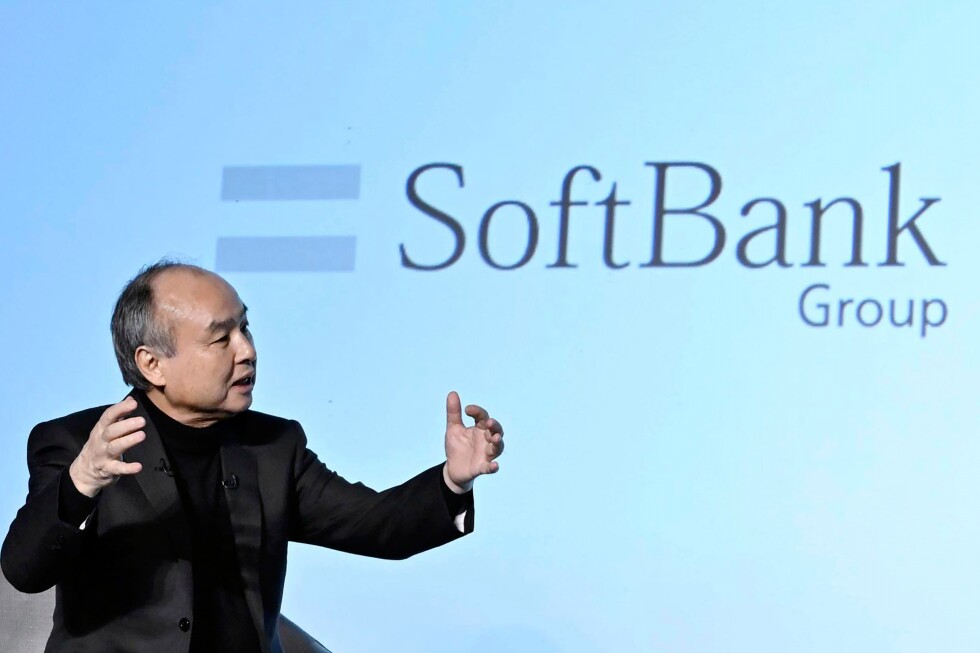
TOKYO — Japanese technology investment giant SoftBank Group Corp. has delivered a blockbuster set of full-year financial results, with fiscal year profits ending in March surging nearly fivefold compared to the prior 12-month period, fueled by outsized returns from its early bets on artificial intelligence. The Tokyo-headquartered firm announced Wednesday that it notched a net annual profit of 5 trillion Japanese yen, equivalent to roughly $32 billion. That figure marked a staggering leap from the 1.15 trillion yen profit it recorded in the preceding fiscal year.
Revenue for the reporting period also showed steady growth, climbing almost 8% year-over-year to hit 7.8 trillion yen ($50 billion), up from 7.2 trillion yen in the prior year, according to the company’s official earnings statement.
The clear standout contributor to SoftBank’s stellar results was its AI-focused portfolio, with its stake in leading AI developer OpenAI standing out as the most lucrative holding. SoftBank has poured $34.6 billion into OpenAI, and the value of that investment has generated $45 billion in gains to date. Beyond OpenAI, SoftBank holds major positions in other high-profile global technology and AI players, including U.S. semiconductor giant Nvidia, German digital infrastructure provider Deutsche Telekom, and British chip design firm Arm. The company also pioneered development of the commercial humanoid robot Pepper, one of its early forays into consumer-facing robotics technology.
SoftBank’s bottom line got an extra boost from the initial public offering of PayPay, Japan’s dominant mobile QR code payment service that has revolutionized cashless transactions across the country. The firm’s overall performance was balanced by mixed outcomes across its broader portfolio: gains from its holdings in semiconductor manufacturer Intel Corp. offset downward valuation adjustments to its stake in Chinese e-commerce leader Alibaba Group.
This pattern of mixed returns across diverse holdings is characteristic of SoftBank’s unique business model. Decades ago, the company became one of the first Japanese firms to prioritize aggressive early-stage technology investment, and today it manages a vast global network of portfolio companies through its series of Vision Fund investment vehicles.
Founded more than 40 years ago by iconic chief executive and chairman Masayoshi Son, a University of California graduate and billionaire who is widely recognized as a trailblazer for Japan’s modern technology industry, SoftBank has continued to expand its footprint beyond traditional venture investment. In recent months, the firm has launched a new domestic battery business in Japan, with plans to build next-generation energy infrastructure to meet the rising power demand expected from the rapid growth of AI computing. It has also partnered with Japanese industrial firm Toppan, which operates across printing, communications, security and packaging sectors, to develop a lightweight, long-lasting composite material for aircraft wings that is on track to enter commercial use within three years.
In line with its longstanding policy, SoftBank did not release forward-looking earnings guidance for the coming fiscal year.