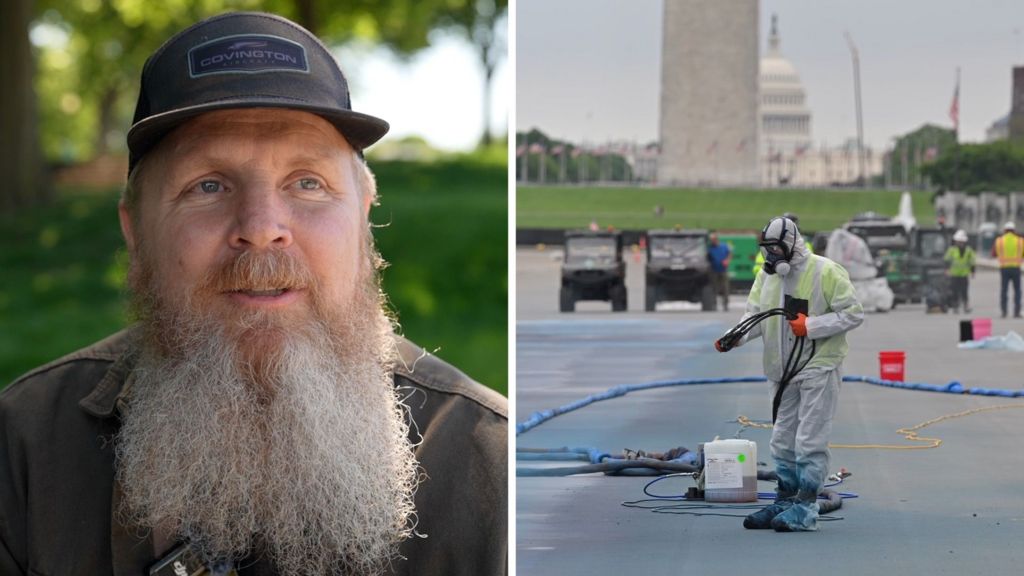
A multi-million dollar renovation project at one of Washington DC’s most iconic public spaces has sparked sharp division among visitors and city residents, after former President Donald Trump launched the effort as part of his broader pledge to clean up and beautify the US capital. The $13 million makeover of the historic reflecting pool has drawn particular public pushback, with many critics taking to social media and on-the-street interviews to push back against the changes—most notably dismissing the updated design by quipping “it’s not a swimming pool.”
The initiative grew out of Trump’s campaign promise to transform Washington DC into a safer, more aesthetically welcoming destination for the millions of domestic and international tourists who visit the National Mall and its surrounding landmarks every year. Proponents of the project argue that the reflecting pool had fallen into disrepair over decades of heavy use and neglect, with cracked pavement, murky water, and failing infrastructure posing safety hazards to visitors. The renovation, they note, updates critical utility systems, improves accessibility for guests with disabilities, and preserves the landmark for future generations to enjoy.
But critics, ranging from casual tourists to long-time DC locals, say the finished product bears little resemblance to the tranquil, understated landmark they remember. Many have pointed to the project’s $13 million price tag as a waste of public funds that could have been allocated to more pressing needs in the city, from affordable housing to infrastructure improvements in underserved neighborhoods. Others have criticized the aesthetic changes, arguing that the updated design feels overly polished and out of step with the reflecting pool’s original historic character, drawing unflattering comparisons to a residential backyard swimming pool rather than a solemn national landmark.
The mixed response highlights the ongoing tension around large-scale public renovation projects in major tourist destinations, where balancing infrastructure updates, historical preservation, and public preference often proves a fraught challenge. What was intended as a signature achievement for the administration’s urban beautification agenda has instead become a flashpoint for debate over public spending priorities and the future of Washington DC’s most cherished public spaces.