Nearly six weeks after the first hantavirus-related death on the Dutch-flagged expedition cruise ship MV Hondius, the final batch of passengers have disembarked and been repatriated, with the World Health Organization (WHO) confirming there is currently no evidence of an escalating large-scale outbreak. Still, global health leaders are urging continued vigilance, noting the virus’s long incubation period could bring additional confirmed cases in the weeks ahead.
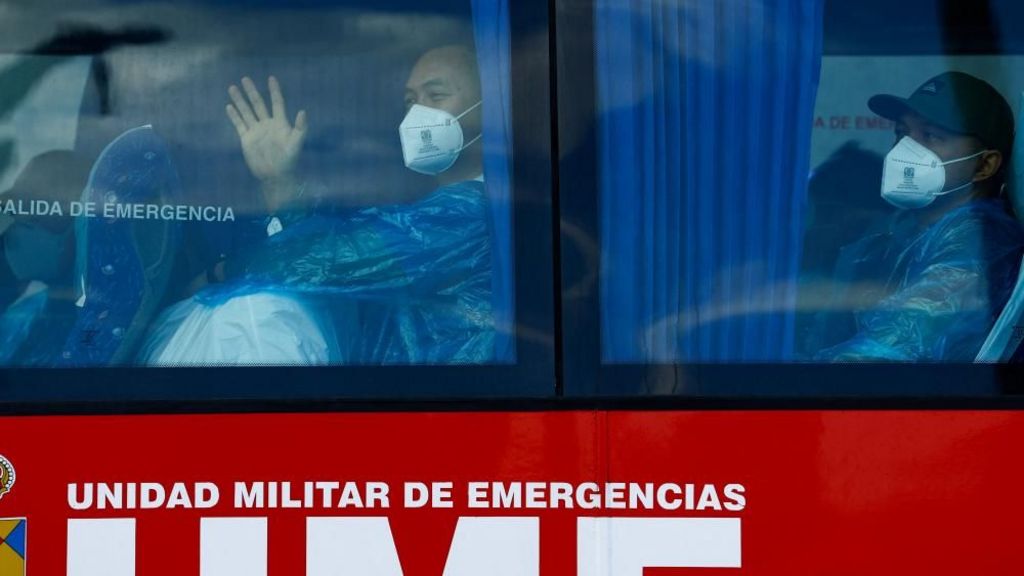
On Monday, the emptying vessel departed Granadilla port on Spain’s Canary Islands off Tenerife, bound for its home port of Rotterdam. The final 28 evacuated passengers arrived in the Dutch city of Eindhoven via two charter flights on Tuesday, marking the end of a multi-country repatriation operation that has brought 122 passengers and crew members back to their home nations over recent days. As of Monday evening, 27 people – 25 crew and two medical staff – remained on board to sail the vessel to Rotterdam, with an expected arrival on the evening of May 17. The ship will undergo full sanitization after docking, with arrival protocols still being finalized, according to operator Oceanwide Expeditions.
The outbreak has already claimed three lives, with seven confirmed cases recorded across multiple countries as of mid-May 2026. The first fatality was an elderly Dutch man who died on board the ship on April 11, before posthumous confirmation of infection. His wife died two days after disembarking in St Helena and traveling to Johannesburg, South Africa, and a third passenger, a German woman, died on the ship on May 2; both women have since been confirmed as positive cases.
In the days following the final repatriation, new positive detections have continued to emerge across the globe. A Spanish national quarantined in Madrid after evacuation returned a preliminary positive result on Monday, while French health authorities confirmed one infected woman is in isolation in Paris with worsening health, and contact tracing is underway for 22 of her close contacts. U.S. health officials reported a second American repatriate has developed mild symptoms, with both U.S. cases transported back in biocontainment units as a precaution. Two British citizens with confirmed infections are currently receiving treatment in the Netherlands and South Africa respectively.
Twelve clinical staff at a Nijmegen, Netherlands hospital have entered precautionary quarantine after potential exposure while treating an evacuated passenger. Hospital officials explained the workers did not follow full strict biosafety protocols when handling the patient’s blood and urine samples, making the precautionary measure necessary. Ukraine’s foreign ministry confirmed the four Ukrainian crew remaining on the ship to sail it to Rotterdam will enter medical quarantine on arrival, and all have so far shown no signs of infection. Seventeen Filipino crew members who disembarked arrived in the Netherlands on Tuesday, the Philippine Embassy confirmed.
Speaking at a press conference in Madrid on Tuesday, WHO Director-General Tedros Adhanom Ghebreyesus delivered the UN body’s latest assessment of the outbreak. “At the moment, there is no sign that we are seeing the start of a larger outbreak,” he said, though he cautioned that the dynamic situation could shift. “Given the long incubation period of the virus, it’s possible we might see more cases in the coming weeks. Our work is not over” to contain the outbreak linked to the vessel, he added.
Hantaviruses are most commonly carried by wild rodent populations, but the Andes strain detected in this outbreak – which WHO believes passengers contracted during a port of call in South America before boarding the MV Hondius – is capable of spreading between humans. Common symptoms of infection include high fever, extreme muscle fatigue and body aches, gastrointestinal distress including stomach pain, vomiting and diarrhea, and shortness of breath that can progress to severe respiratory complications. WHO has repeatedly stated that the overall risk of a large community-level outbreak from this event remains very low.
The MV Hondius departed Ushuaia, Argentina on April 1 with 147 passengers and crew members representing 23 nationalities on board, marking the start of what was supposed to be a planned South Atlantic expedition before the outbreak forced the vessel to divert to the Canary Islands for evacuation.