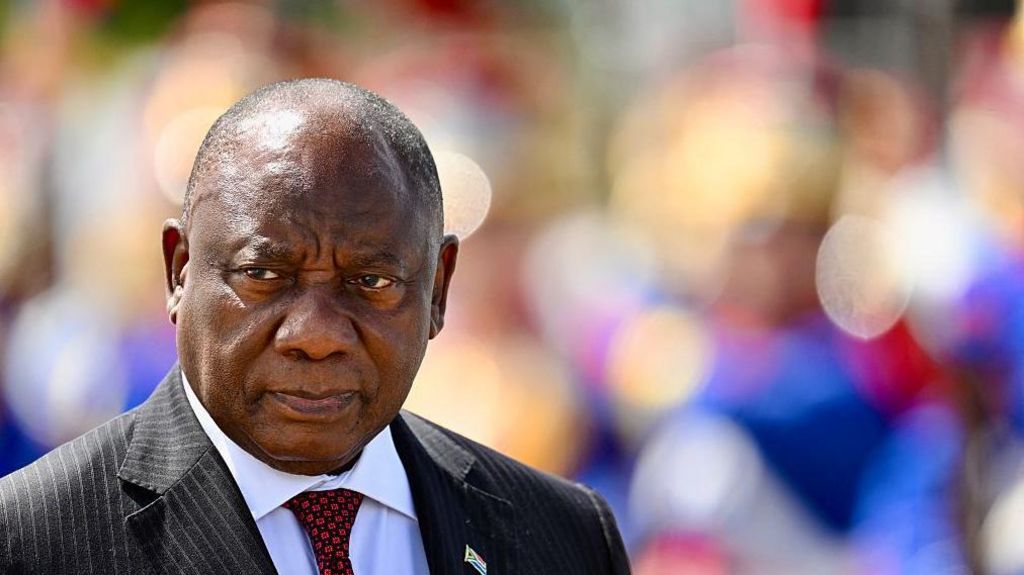
South Africa’s sitting president Cyril Ramaphosa, who has held the nation’s highest office since 2018, has announced he will not step down amid growing pressure over the Phala Phala cash theft scandal, and will instead launch a legal battle to block the report that cleared the way for parliamentary impeachment proceedings against him. The announcement on Monday put an end to weeks of widespread public speculation over whether Ramaphosa would choose to resign to avoid the unfolding political crisis, with the president stating firmly: “I remain here and am not resigning.”
The controversy at the center of the current political standoff traces back to an incident of large-scale cash theft from Ramaphosa’s private game farm, Phala Phala, where thousands of U.S. dollars were discovered missing from concealed storage inside furniture on the property. An independent investigative panel assembled to probe the incident concluded that there was prima facie evidence suggesting Ramaphosa may have committed serious misconduct related to his handling of the theft. Ramaphosa has repeatedly denied any wrongdoing, maintaining that the stolen funds were proceeds from the legitimate sale of buffalo through his private farming operation.
Last week, South Africa’s Constitutional Court delivered a landmark ruling that upended the existing parliamentary process, finding that the national legislature had acted unconstitutionally when it voted in 2022 to reject launching a formal impeachment inquiry into Ramaphosa based on the Phala Phala panel’s findings. The top court ordered that the matter must proceed to a full impeachment examination in parliament, rather than being dismissed entirely.
In response to the ruling, Ramaphosa confirmed that his legal team would petition the courts to review the independent panel’s investigative report and ultimately have it set aside. The president argues the findings are fundamentally flawed because they relied heavily on unsubstantiated hearsay evidence rather than verifiable, direct proof of misconduct. If Ramaphosa’s legal challenge fails and the impeachment process moves forward, the report will become the core foundation for opposition parties’ legislative efforts to oust him from the presidency.
Political analyst Professor Richard Calland, who studies South Africa’s political landscape, noted that even if the impeachment vote proceeds to a floor vote in parliament, Ramaphosa is likely to secure enough support to remain in office. Calland added that Ramaphosa’s decision to pursue a legal challenge may be a strategic move to avoid a public, damaging impeachment hearing entirely — a process that would inevitably cause lasting harm to the president’s public reputation and political legacy, regardless of the final vote outcome.