When the 2026 FIFA World Cup kicks off across North America, it will mark the most transformative change to football’s biggest showcase in four decades: the first-ever 48-team tournament. The expansion, a flagship campaign promise delivered by FIFA president Gianni Infantino just a decade after he took the helm of global football’s governing body, has reignited a fierce debate over whether broadening access to the finals will dilute the high-stakes drama that has made the World Cup a global cultural touchstone.
Infantino has framed the shift as far more than a simple format tweak, arguing the World Cup must evolve beyond an elite athletic competition to become a truly inclusive global social event. For decades, the World Cup fell far short of its ‘global’ branding, dominated by European and South American nations from its early 16-team format through its 1982 expansion to 24 sides. Historical data underscores this imbalance: between the first World Cup and 1982, the entire African continent sent just four teams total to the finals. Even as late as the 1990 tournament in Italy, 14 of the 24 competing nations came from Europe, while Africa, Asia and the CONCACAF region each received only two slots.
The 1998 expansion to 32 teams moved the needle toward greater fairness in slot allocation, but gaps remained: at the 2022 Qatar World Cup, Europe still claimed 13 spots while Africa earned just five. The new 48-team format addresses this without stripping established powerhouses of their existing access, reallocating slots to create a far more balanced distribution: Europe retains 16 places, Africa earns 10, Asia claims 9, South America and CONCACAF get six each, with an additional spot reserved for Oceania’s New Zealand.
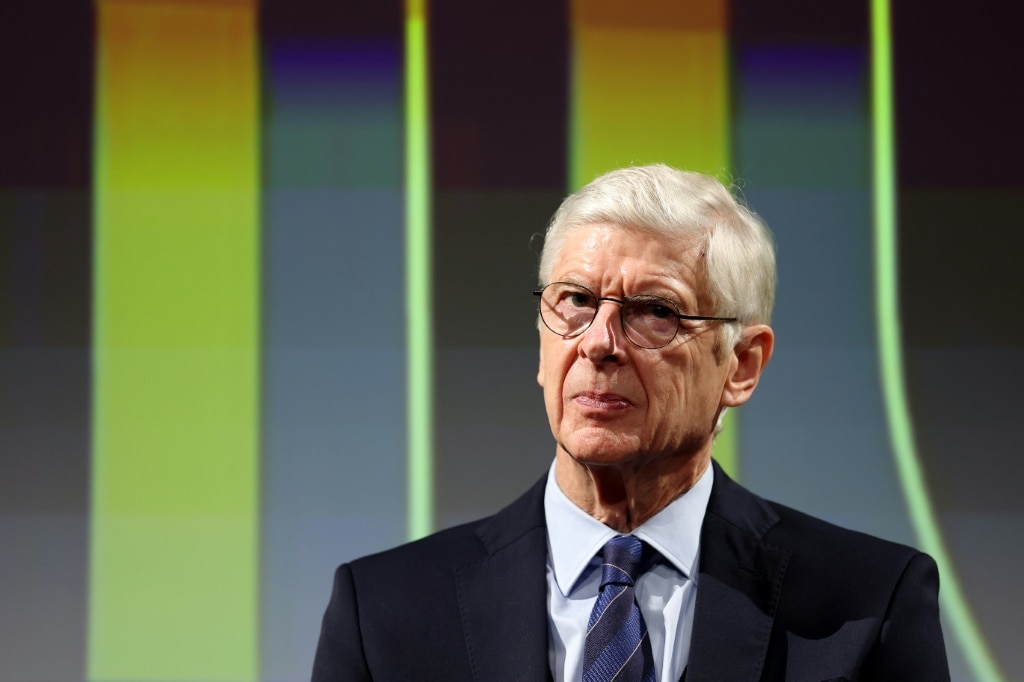
FIFA’s chief of global football development, legendary manager Arsene Wenger, has defended the expansion as an inevitable and logical step for the sport’s growth. “It’s a natural evolution. We want to make football global all over the world,” Wenger stated last December, noting 48 teams still accounts for less than 25% of FIFA’s 211 member nations, keeping the qualifying bar appropriately high.
For underdog and smaller nations, the format shift is a historic breakthrough. Tiny Caribbean island nation Curacao, with a total population of just 160,000, is on track to make its World Cup debut in 2026, joined by other first-time qualifiers including Cape Verde, Jordan and Uzbekistan. Curacao head coach Fred Rutten says his side is already relishing the chance to pull off upset wins against global giants. The new format also gives lower-ranked sides a far better shot at advancing past the group stage into the knockout round: the top two teams from each of 12 groups advance, plus the eight best third-place finishers, meaning just one win in the group stage can often secure progression.
But critics warn the expanded format comes at a major cost to the tension and jeopardy that has produced some of the World Cup’s most iconic moments. Where top-tier nations once faced immediate elimination after an early bad result – think 2022 when eventual champion Argentina faced elimination after an opening defeat to Saudi Arabia, or Germany’s stunning group-stage exits in both 2018 and 2022 – elite sides now have far more room to recover from a slow start. The historic drama of watching a global powerhouse crash out early in the tournament is likely to become a thing of the past, opponents argue.
The expanded tournament also brings logistical and physical challenges for players. Where the 32-team format featured 48 group-stage games to eliminate 16 teams, the 48-team format requires 72 group-stage matches to cut the field to the same 16 knockout-round participants. To win the tournament, teams will now need to play eight matches, one more than the previous format, all scheduled for a hot North American summer that will put extra physical strain on top players already stretched by crowded club calendar schedules.
Noted football author Jonathan Wilson, who wrote *The Power and the Glory: A New History of the World Cup*, says the 32-team format was perfectly balanced. “I see the argument about increasing representation but I think a 32-team finals was perfect,” Wilson explained. “The biggest problem with this is not really the quality, it’s the dilution of spectacle in the first round with eight third-placed teams to go through. The group stage may end up trying peoples’ patience.” He added that the extra knockout round could incentivize more defensive, cautious play, further dulling the tournament’s early excitement.
Even elite managers acknowledge the new strategic priority for big teams has shifted: where once they needed to avoid any early slip-up, now the focus is simply on grinding out enough results to advance. “You just focus on the group, this is what you do, and make sure you are in the right head space,” England manager Thomas Tuchel said of the new approach. As the 2026 tournament approaches, the football world remains split: while smaller nations celebrate unprecedented access, fans and analysts wait to see whether the expanded format will grow the global love of the game – or erode the high-stakes magic that made the World Cup unmissable.