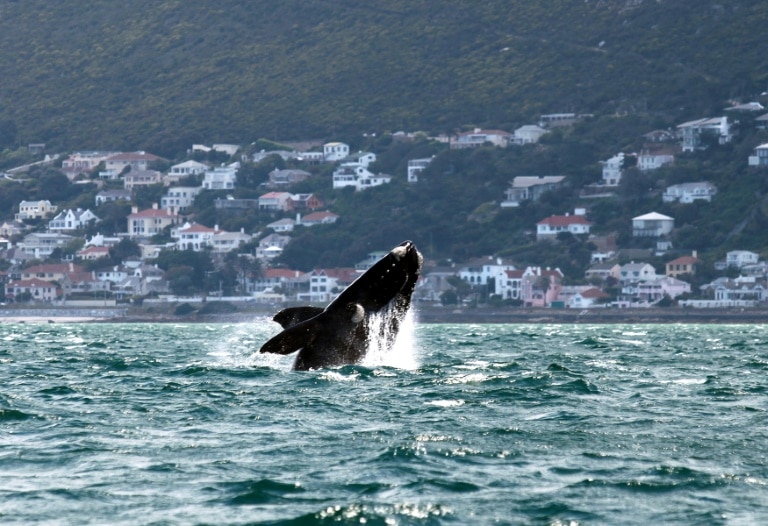
Geopolitical tensions and ongoing conflicts across the Middle East have triggered an unexpected and growing threat to vulnerable whale populations off South Africa’s southern coast, according to new scientific research presented to the International Whaling Commission (IWC) this month. The crisis has forced global shipping companies to reroute massive volumes of vessel traffic away from the historically popular Red Sea and Suez Canal corridors, pushing more ships straight through critical whale habitats along the Cape of Good Hope and dramatically increasing the likelihood of deadly collisions between large vessels and marine mammals.
The disruption to global shipping lanes began in November 2023, when Houthi rebels seized the British-owned cargo vessel Galaxy Leader off the coast of Yemen. Subsequent attacks on commercial shipping transiting the Red Sea, paired with escalating regional tensions between Israel, the United States and Iran that have threatened transit access through the Strait of Hormuz, have pushed an ever-growing share of global maritime trade to take the longer southern route around South Africa. Data from the International Monetary Fund’s PortWatch monitoring platform underscores the scale of this shift: between March 1 and April 24 of 2024, an average of 89 commercial vessels sailed around southern Africa daily, more than double the average of 44 recorded over the same period in 2023.
South Africa’s southwestern coastline already supports some of the most ecologically significant whale populations on the planet, while also serving as a key transit route for international trade. This creates extensive spatial overlap between heavy maritime traffic and whale feeding, breeding, and migration grounds, a dynamic that drastically amplifies collision risk, explained lead researcher Els Vermeulen, who heads the University of Pretoria’s whale research unit.
Vermeulen told reporters that growing awareness of this risk has been amplified by unsolicited social media content from crew members on passing cargo ships. Many posts showcase large groups of whales swimming alongside vessels, framing the sighting as a thrilling novelty, but for researchers, the content tells a far more alarming story. “My heart stopped when I saw those posts — you know that with that much traffic moving through dense whale habitats, they are striking a number of whales already,” Vermeulen said. She added that whales often do not recognize or react to approaching large vessels, as they are frequently preoccupied with feeding or other critical survival activities.
Most concerning, researchers note, is that the volume of high-speed commercial traffic — the category of vessel that poses the greatest risk of lethal collision — has increased fourfold along the route in less than six months. This rapid, unplanned shift has left whale populations no time to adapt their behavior to the new threat, explained Chris Johnson, global lead for the World Wildlife Fund’s Whale and Dolphin Conservation initiative. Different whale species respond to ship noise in unexpected ways that do not help them avoid collisions: for example, blue whales off the coast of Los Angeles simply dive deeper below the surface when they hear approaching vessels, rather than leaving the area, putting them directly in the path of oncoming shipping traffic.
Compounding the risk, long-term ecological shifts driven by climate change have already pushed more whales into these newly busy shipping corridors. Ken Findlay, a blue economy consultant and contributing author to the report, noted that large superpods of humpback whales have begun feeding seasonally off South Africa’s increasingly busy west coast since 2011, a behavioral shift that has already elevated baseline collision risk before the current shipping surge.
Deadly ship strikes are already recognized as one of the leading causes of human-caused whale mortality worldwide, and collisions are drastically underreported globally, according to a 2024 study published in the journal *Science*. Despite this risk, few meaningful protection measures are currently in place for whale populations that have only been slowly recovering since the 1986 global ban on commercial whaling.
The research presented to the IWC outlines accessible, low-impact solutions to mitigate the growing risk. Modest adjustments to shipping lanes that shift traffic further offshore, away from core whale habitats, could reduce collision exposure for vulnerable whale species by between 20 and 50 percent, the report finds. Critically, this adjustment would add only 20 nautical miles to journeys that often exceed 10,000 nautical miles in total length, making the impact on shipping timelines and costs negligible. MSC, the world’s largest shipping company headquartered in Switzerland, has already successfully implemented similar lane adjustments off the coasts of Greece and Sri Lanka to protect whale populations in those regions.
Additional mitigation strategies are also under exploration, including real-time alert systems that notify vessel captains of the presence of whale superpods via dedicated mobile applications or radio broadcasts, and the deployment of AI-powered cameras on commercial vessels to improve early detection of whales in shipping lanes. Estelle van der Merwe, head of the South African environmental NGO Ocean Action Network, noted that all feasible measures need to be on the table to address the rapidly emerging threat.
South Africa’s Department of Environment, Forestry and Fisheries confirmed in a statement to AFP that it is committed to evaluating all available mitigation options. “Once the scientific studies and assessments have been completed, the maritime authorities will be on the front line, alongside the DFFE, to chart the way forward,” the department said.