On Sunday evening at the British Academy Television Awards, a hard-hitting documentary about Israeli attacks on Gaza’s healthcare system delivered a double blow: it took home one of the night’s most prestigious honors, and used its moment in the spotlight to publicly condemn the BBC for shelving the project. The film, *Gaza: Doctors Under Attack*, was originally commissioned and funded by the UK’s public broadcaster before being pulled from broadcast schedules just months before its planned release in June 2023. It went on to air on rival network Channel 4, which stepped in to back the project after the BBC’s decision to drop it, and ultimately won the BAFTA for Best Current Affairs Programme.
Accepting the award on the team’s behalf, journalist and documentary presenter Ramita Navai did not hold back in calling out the BBC’s choice to censor the work. “The BBC paid for this documentary but refused to show it,” Navai told the ceremony audience. “But we refused to be silenced and censored. We thank Channel 4 for stepping up and showing this film.”
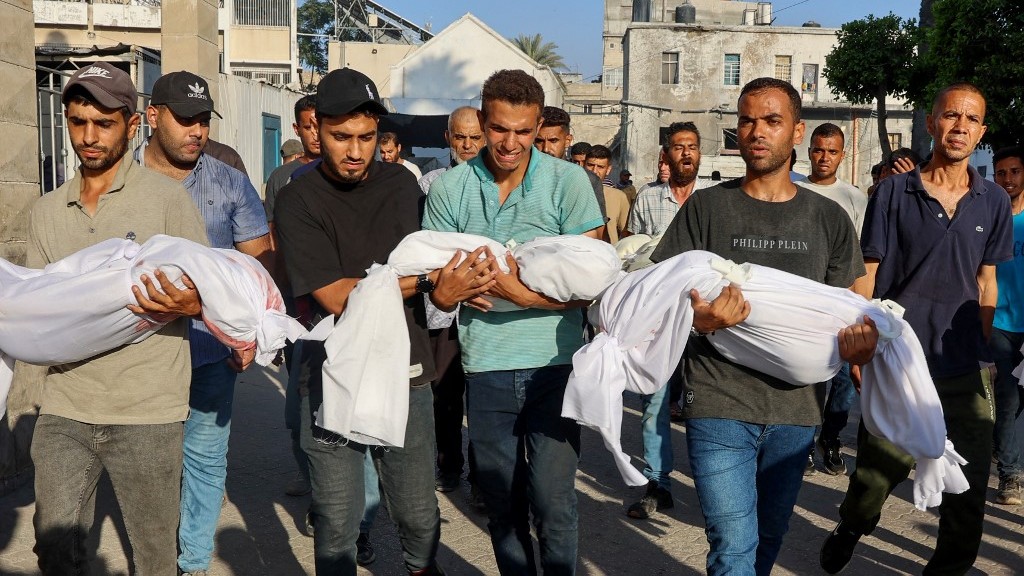
The content of the award-winning film has made its censorship controversy understandable to many observers, as it pulls back the curtain on one of the most sensitive and widely debated aspects of Israel’s ongoing military campaign in Gaza: the systematic targeting of the enclave’s crippled healthcare system. The documentary opens with graphic footage recovered from the mobile phone of a Palestinian medic killed by Israeli gunfire, immediately centering the narrative on the toll of attacks on medical workers and infrastructure. In the film, Navai argues that “Israel has been killing the very people trying to keep [Gaza’s] healthcare system alive.”
Throughout the documentary, the production team highlights repeated official claims from the Israeli military about its operations in Gaza, systematically noting that the military has failed to provide tangible evidence to back up many of its key assertions. This narrative framing directly challenges longstanding justifications for Israeli attacks on Gaza hospitals, strikes that have been repeatedly condemned by international human rights organizations as clear violations of international humanitarian law.
When the BBC first pulled the documentary weeks ahead of its planned broadcast, the public broadcaster cited concerns over the work’s compliance with its internal impartiality rules. Deborah Turness, who served as head of BBC News and Current Affairs at the time of the decision, pointed to alleged problematic social media activity from one of the journalists involved in the project, and criticized language Navai used in a radio interview as inconsistent with the BBC’s impartiality standards.
The BAFTA victory amplified the criticism of the BBC’s decision, with the documentary’s executive producer Ben de Pear doubling down on the rebuke during his acceptance remarks. De Pear directly referenced the BBC’s role as the official broadcaster of the BAFTA ceremony, asking in a pointed jab: “Given you dropped the film, will you drop us from the BAFTA screening?”
The confrontation has brought renewed attention to growing accusations that the BBC has systematically censored and sidelined Palestinian perspectives throughout the current war in Gaza, while giving disproportionate platform to Israeli official narratives. In a previous defense of its decision to drop *Gaza: Doctors Under Attack*, the BBC argued that it had worked closely with the documentary team to develop the project, but ultimately concluded that airing the film’s documentation of alleged Israeli crimes would risk creating a public perception of partiality. The broadcaster also acknowledged disappointment over the outcome, saying “We want to thank the doctors and contributors and we are sorry we could not tell their stories. The BBC will continue to cover events in Gaza impartially.”
The BAFTA win for the censored documentary has ignited fresh debate across the UK about media balance, press freedom, and the ethics of covering the ongoing humanitarian catastrophe in Gaza, with advocates for Palestinian rights pointing to the award as validation of the film’s urgent, unflinching reporting.