Tensions have spiked sharply across key Gulf waterways following reciprocal accusations of attacks between the United States and Iran, with Iran’s top diplomat firmly stating Tehran will never capitulate to mounting American pressure as a critical response to a US-backed peace proposal looms.
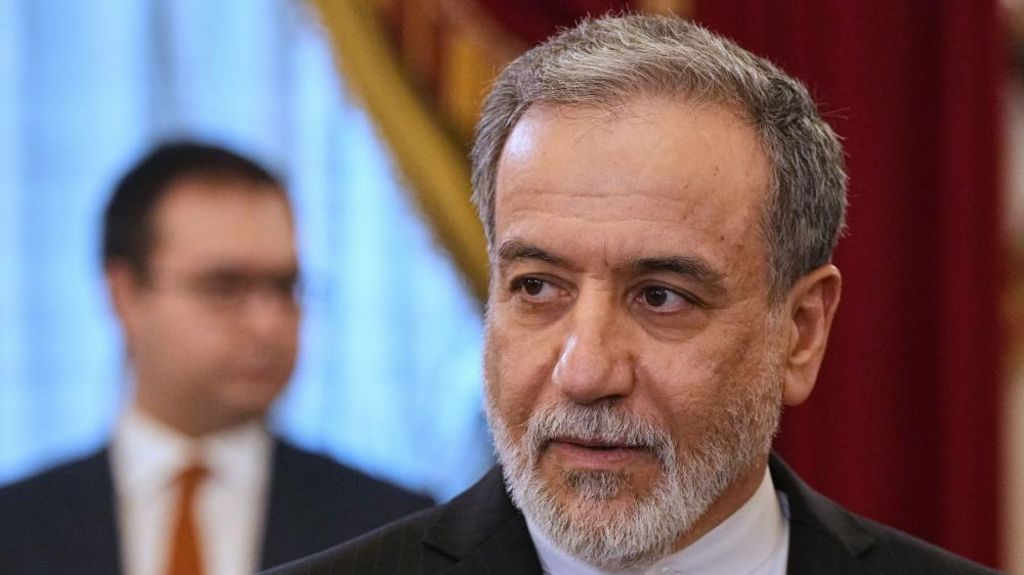
In a public post on social platform X Wednesday, Iranian Foreign Minister Abbas Araghchi launched a sharp rebuke of US policy, accusing Washington of repeatedly choosing reckless military escalation over diplomatic resolution even when a negotiated path forward is within reach. He questioned whether the latest surge in hostilities was a crude pressure tactic designed to force Tehran into concessions, or whether outside bad actors had once again misled US President Donald Trump into stepping into another costly regional quagmire.
The verbal confrontation comes on the heels of a full day of mutual accusations of armed attacks in the strategic Strait of Hormuz, followed by new US strikes on Iranian vessels that have further raised the stakes. The Strait of Hormuz, a narrow chokepoint through which roughly 20% of the world’s total oil and liquefied natural gas supplies pass, has emerged as the epicenter of the ongoing conflict. Recent disruptions to shipping through the waterway have already sent global energy prices soaring, with thousands of commercial vessels remaining stranded in the region since the broader US-Israeli war against Iran-backed factions began in February.
In the most recent development Friday, US Central Command (Centcom) announced that American forces had disabled two empty Iranian-flagged oil tankers attempting to reach port in the Gulf of Oman, saying the vessels violated the ongoing US naval blockade of Iranian ports. Centcom said US forces used precision munitions to strike the ships’ smokestacks to block their entry into Iranian territorial waters, adding that more than 70 tankers are currently being prevented from entering or exiting Iranian ports as part of the blockade campaign. The naval blockade is a core part of Washington’s strategy to pressure Tehran into accepting US terms for a ceasefire and broader peace deal.
The new US strikes came one day after deadly clashes in the Strait of Hormuz, with each side blaming the other for initiating the violence. Centcom claimed Iran launched an unprovoked attack targeting three US warships using missiles, drones, and small fast-attack boats. For its part, Iran’s top military command countered that the US had first struck an Iranian oil tanker and another civilian vessel approaching the strait, and carried out targeted aerial strikes on multiple Iranian coastal areas.
Local Iranian officials confirmed that one cargo vessel attacked near the coastal city of Minab caught fire, with 10 injured sailors already evacuated to local hospitals. Search and rescue operations are still ongoing to account for the remaining crew members, according to Hormozgan province official Mohammad Radmehr, who spoke to Iran’s state-run Mehr News Agency.
Overnight, President Trump took to his social platform Truth Social to confirm the clash, claiming US forces had destroyed multiple Iranian small boats, missiles, and drones, and inflicted severe damage on what he called Iranian attackers. He issued a blunt ultimatum to Tehran: “Just like we knocked them out again today, we’ll knock them out a lot harder, and a lot more violently, in the future, if they don’t get their Deal signed, FAST!”
Despite the sharp escalation in hostilities this week, Trump has maintained that the existing ceasefire, designed to create space for negotiations to end the February-launched war, remains in effect. US Secretary of State Marco Rubio, currently on a diplomatic visit to Italy, confirmed Friday that Tehran is expected to formally respond to US negotiation proposals this same day. Rubio said he hoped the US offer would receive a serious response from the Iranian government.
In response to US and Israeli strikes across the region, Iran has increased military operations targeting US allies in the Gulf and maintained de facto control over movement through the Strait of Hormuz. The US naval blockade of Iranian ports has only deepened Iranian anger at Washington, with Tehran repeatedly rejecting outside pressure as an ineffective tactic that will not force it to accept unfavorable terms.