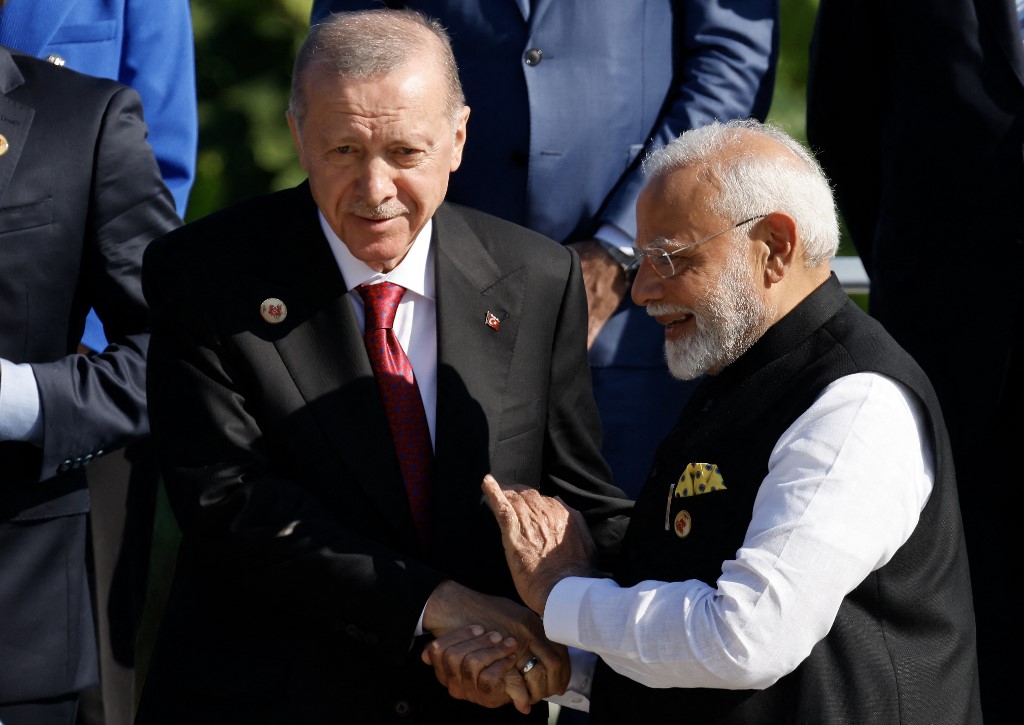
One year ago, a landmark bilateral conference hosted by an Ankara-based Turkish think tank brought Indian and Turkish experts and officials together for the first time, opening with a wave of cautious optimism. Attendees on both sides leaned into shared historical bonds, recalling India’s early support for Turkey’s War of Independence, and even celebrated linguistic commonalities between the two nations, including overlapping terms like *hava* (meaning air) and *kısmet* (meaning fate). The gathering was explicitly designed to reignite closer cooperation between the two major emerging economies, which had managed to grow bilateral trade for years despite long-standing political friction rooted in conflicting geopolitical alliances. The core tension stemmed from Turkish President Recep Tayyip Erdoğan’s close partnership with Pakistan and the broader Muslim world, which clashed with Indian Prime Minister Narendra Modi’s deepening strategic alignment with Israel. By all accounts, the conference was a striking success – but that success stoked immediate regional friction: multiple sources confirm Pakistani officials expressed frustration at being sidelined and not consulted ahead of the event.