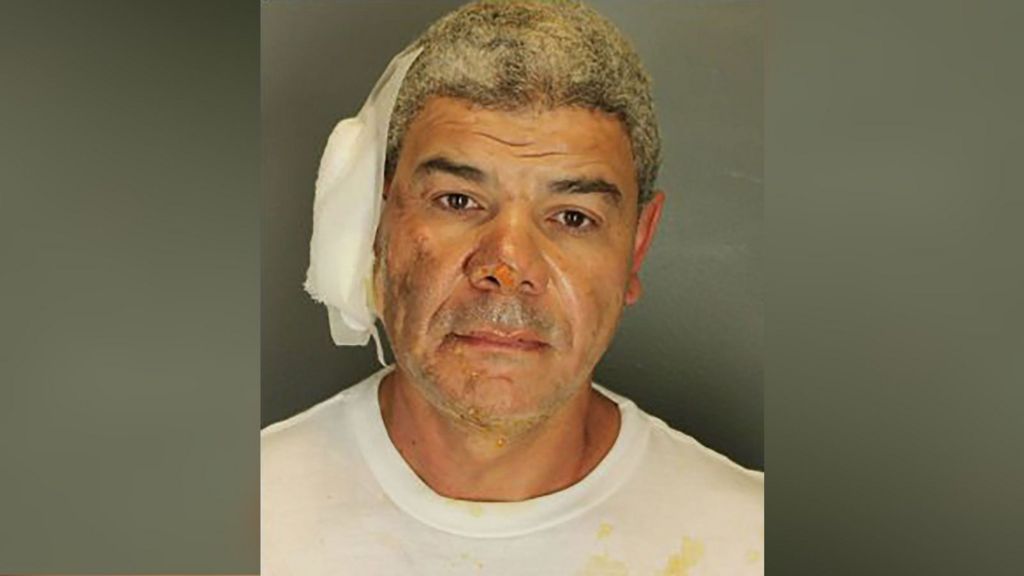
On Thursday, a dramatic development unfolded in a high-profile 2025 domestic terror case in the U.S. state of Colorado, when Mohamed Sabry Soliman entered guilty pleas to a first-degree murder charge and more than 100 additional state criminal counts connected to a deadly Molotov cocktail attack on a demonstration calling for the release of Israeli hostages.
According to official prosecution documents and law enforcement records, Soliman planned the targeted attack for 12 full months ahead of the event. The accused studied homemade explosive construction through instructional online videos before making the 90-mile drive from his Colorado Springs residence to Boulder, where the pro-hostage release rally was being held. Upon arriving at the gathering, Soliman launched multiple incendiary Molotov cocktails into the crowd of peaceful demonstrators, court records confirm. The attack left at least 12 people injured, and one attendee ultimately succumbed to fatal wounds.
Court filings also outline that immediately following his arrest, Soliman told interrogating officers that his explicit goal was to “kill all Zionist people”, confirming the premeditated, ideologically driven nature of the assault. In addition to the state charges he pleaded guilty to on Thursday, which include counts of attempted murder, aggravated assault, illegal explosives possession, and even cruelty to animals, Soliman also faces a separate federal hate crime indictment. He has entered a not guilty plea in that federal proceeding, which remains ongoing.
During Thursday’s morning court hearing, a district judge read each of the more than 100 criminal counts aloud one by one. Soliman responded to every charge with a guilty plea, communicating through a court-appointed interpreter, according to reporting from CBS News, which partners with the BBC on U.S. domestic coverage. The attack, rooted in the ongoing tensions over the Israeli-Palestinian conflict, has sparked renewed national conversation about political violence and hate-motivated extremism on U.S. soil in the wake of heightened regional tensions overseas.