Diplomatic efforts to end ongoing conflict between the United States and Iran have entered a new phase this week, with Tehran confirming it will deliver its formal feedback on a US peace framework to Pakistani mediators once internal review is complete. The development follows widespread reports that the two longstanding adversaries may be moving closer to a preliminary agreement, even as hardline rhetoric from both sides and continued regional clashes cast uncertainty over the outcome.
Earlier this week, US-based news outlet Axios broke the story that the White House is closing in on a 14-point draft memorandum of understanding with Iran, a document that would lay the foundation for future, more in-depth negotiations over Iran’s contested nuclear program. Citing four unnamed sources briefed on the closed-door talks, Axios reported the one-page draft includes three core preliminary provisions: a temporary pause on Iranian uranium enrichment, the rolling back of crippling US economic sanctions on Tehran, and the full reopening of the Strait of Hormuz to global commercial shipping. All draft terms are conditional on a final binding agreement being reached, the sources added.
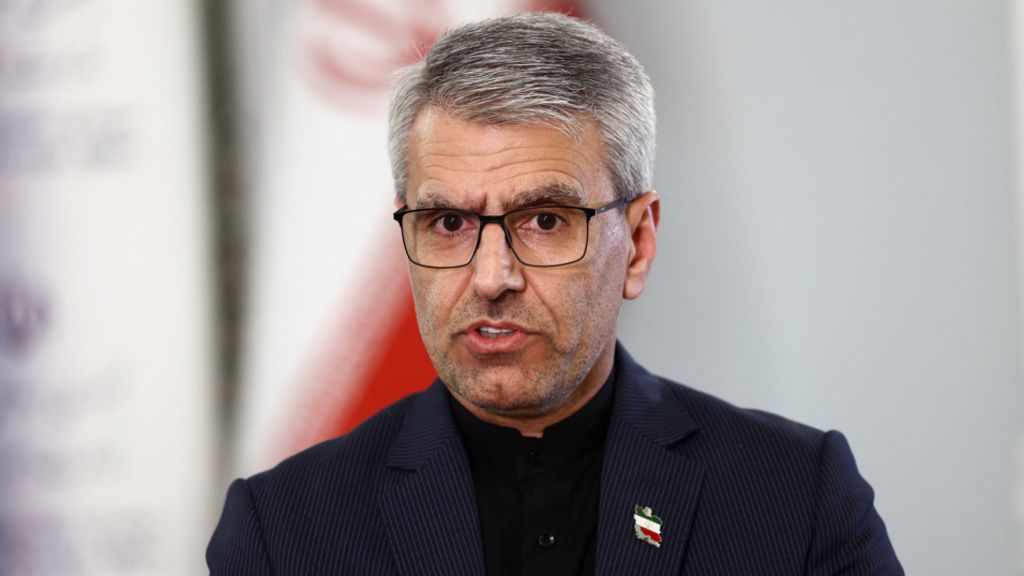
The Axios report was later corroborated by two separate sources familiar with the Pakistan-mediated talks who spoke to Reuters, though the full text of the proposal has not been released to the public. Iranian Foreign Ministry Spokesperson Esmail Baghaei confirmed the status of Tehran’s review in a statement to the Iranian Students’ News Agency (ISNA), noting: “The American proposal is still being reviewed by Iran and after concluding, it will inform the Pakistani side of its opinion.” Pakistan, which has stepped in as the neutral mediator for the talks, has already signaled its commitment to locking in a durable peace. Pakistani Foreign Minister stated his nation is working to turn the existing ceasefire into a permanent end to hostilities.
Not all figures within Iran’s government have signaled openness to the US proposal, however. Ebrahim Rezaei, spokesperson for the Iranian Parliament’s national security and foreign policy commission, dismissed the draft as nothing more than a US “wish list” in a post on X. He doubled down on Iran’s hardline stance, warning that “The Americans will not gain anything in a war they are losing that they have not gained in face-to-face negotiations.” Rezaei added that Iran “has its finger on the trigger and is ready,” threatening a “harsh and regret-inducing response” if Washington refuses to surrender and make the required concessions.
US President Donald Trump has echoed the bellicose rhetoric while also expressing cautious optimism about a deal. In a post on his Truth Social platform, Trump warned that if Iran rejects the agreement, “the bombing starts, and it will be, sadly, at a much higher level and intensity than it was before.” At the same time, he claimed the US had held “very good talks with Iran in the last 24 hours” and said a final agreement is well within reach. “They [Iran] want to make a deal. We’ve had very good talks over the last 24 hours and it’s very possible that we’ll make a deal up there,” Trump said, adding “I think we won.” He also repeated an unconfirmed claim that Iran has already agreed to abandon any pursuit of a nuclear weapon, a core sticking point in decades of tensions between the two nations.
Trump recently announced a pause to Operation Project Freedom, a US mission launched days earlier to escort stranded commercial vessels out of the Persian Gulf through the Strait of Hormuz, designed to restore global oil flows and stabilize the global economy. The announcement came after US Secretary of State Marco Rubio declared that the earlier US-Israeli offensive Operation Epic Fury against Iranian targets had concluded after achieving its core objectives. Trump added that Operation Epic Fury would remain over “assuming Iran agrees to give what has been agreed to.”
Iran has not yet officially responded to Trump’s pause of the escort mission, but the Islamic Revolutionary Guard Corps (IRGC) has previously hinted the strait would reopen if all aggressive threats from the US and its allies are withdrawn. The strategic waterway, which carries roughly 20% of the world’s global oil and liquefied natural gas supplies, has been effectively closed to most commercial traffic since the US and Israel launched their offensive against Iran in late February. A ceasefire agreed between Washington and Tehran in early Africa paused Iranian drone and missile strikes on Gulf nations including the United Arab Emirates, but very few commercial vessels have been able to safely transit the strait in the months since. The US has also imposed its own naval blockade on Iranian ports, and US Central Command confirmed Wednesday it had fired on and disabled an Iranian-flagged oil tanker in the Gulf of Oman that attempted to break the blockade.
Israeli Prime Minister Benjamin Netanyahu confirmed Wednesday that there is full strategic coordination between his government and the Trump administration on Iran policy. “There are no surprises. We share common goals, and the most important objective is the removal of all enriched material from Iran and the dismantling of Iran’s enrichment capabilities,” he said. Netanyahu’s comments came shortly after Israeli forces carried out their first strike on Beirut, the capital of Lebanon, since the April ceasefire between Israel and the Iranian-backed militia Hezbollah. Netanyahu wrote on social media that the strike targeted a senior Hezbollah commander responsible for rocket attacks on Israeli civilian settlements and the deaths of IDF soldiers.
Hezbollah opened its campaign against Israel in early March, launching strikes to retaliate for Israel’s attacks on Iran as part of Operation Epic Fury. Despite the ceasefire agreement reached in April, both sides have repeatedly accused one another of violating the terms and continued low-intensity clashes. Most Israeli airstrikes have targeted southern Lebanese territory, while Hezbollah has regularly launched rocket and drone attacks on Israeli troops along the border and northern Israeli civilian areas.