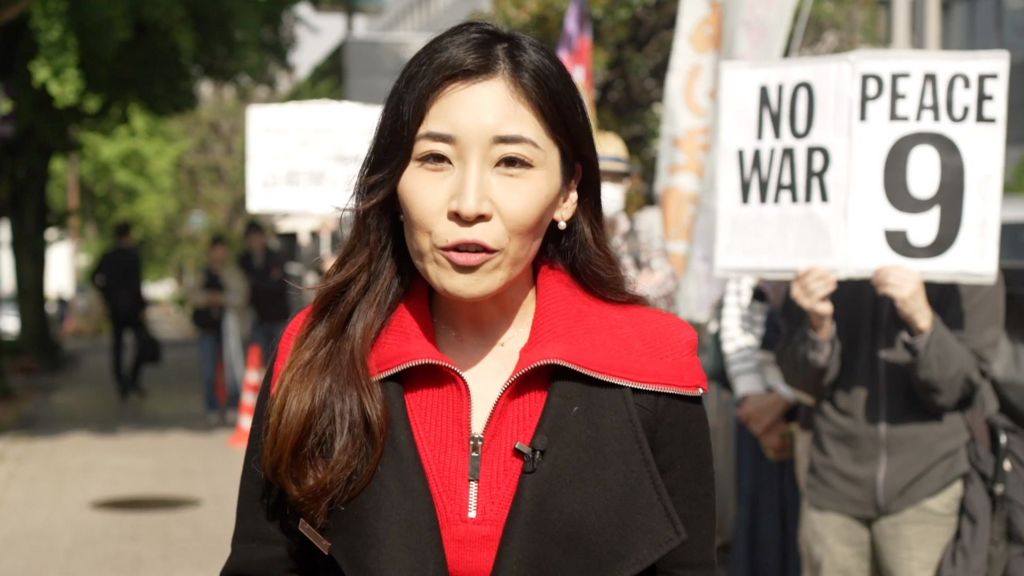
Seventy-eight years after the end of World War II, one of the most defining pillars of Japan’s post-war national identity is facing the most significant challenge to its existence in modern history. The country’s long-standing pacifist constitution, drafted in the aftermath of the global conflict to embed anti-war principles into Japanese politics and society, is now at the center of a fierce national debate, as Prime Minister Fumio Kishida pushes forward an aggressive agenda to revise its iconic Article 9.
Article 9, the clause that has shaped Japan’s security posture for nearly eight decades, formally renounces war as a sovereign right of the nation and bans the maintenance of offensive military capabilities for use in international conflict. For generations, this constitutional provision has served as both a domestic commitment to peace and a global signal of Japan’s rejection of the imperialist expansion that defined the early 20th century.
But shifting regional security dynamics, including rising military assertiveness from China in the Indo-Pacific, persistent nuclear and ballistic missile threats from North Korea, and evolving security alliances with the United States, have pushed the ruling Liberal Democratic Party (LDP) to frame constitutional revision as a necessary step to adapt Japan to 21st century security realities. Proponents of the change argue that updating the constitution will allow Japan to play a more active role in collective security efforts with its allies, modernize its self-defense capabilities to deter regional aggression, and clarify the legal status of the country’s already expanding military forces.
Despite these arguments from ruling party officials, the push for revision has sparked deep controversy across Japan and drawn sharp criticism from regional neighbors that suffered under Japanese imperial occupation during World War II. Domestic opposition groups argue that revising the pacifist constitution would break the long-standing national commitment to peace, drag Japan into potential foreign conflicts, and undermine the social consensus that has kept the country focused on diplomatic and economic development over military expansion. Critics across East Asia warn that the shift away from post-war pacifism could destabilize regional security and reignite historical tensions over Japanese militarism.
As the debate continues to unfold, the future of Japan’s anti-war stance remains one of the most consequential political issues facing the country, with implications that stretch far beyond its borders and reshape the security architecture of the entire Indo-Pacific region.