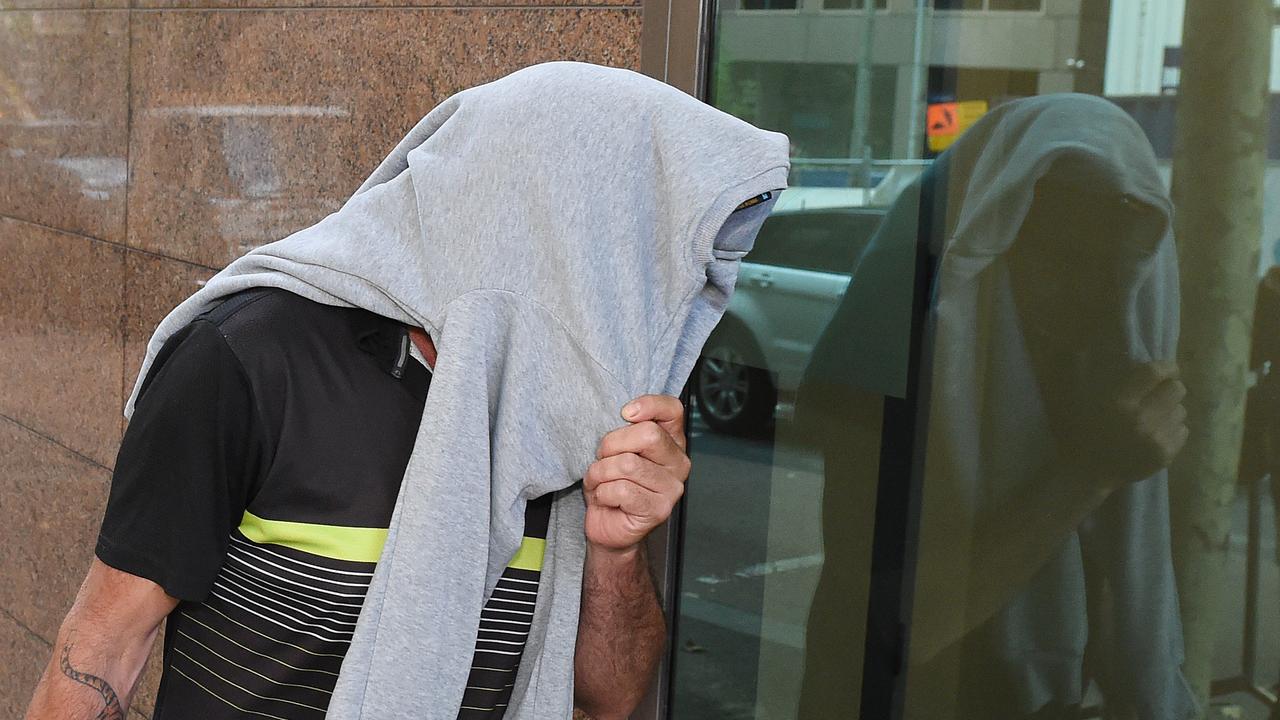
Nearly 40 years after he kidnapped and sexually assaulted two underage girls while posing as a law enforcement officer, an Australian sex offender has seen his original prison term reduced following a successful sentence appeal, marking a twist in a cold case that relied on modern forensic science to reach prosecution.
Theodoros Tsalkos, 64, was first linked to the 1987 attacks through advances in DNA testing more than three decades after the crimes. Back in the early hours of that 1987 morning in St Kilda, the then 25-year-old approached two 15- and 16-year-old child sex workers, identified their vulnerability, and claimed to be a police officer conducting a prostitution bust. Over the next three and a half hours, he subjected the teenagers to a prolonged, terrifying ordeal of sexual violence that trial judges later described as depraved, sadistic and evil, before abandoning the girls back in the St Kilda area.
It was not until 2022 that advances in DNA technology matched Tsalkos to forensic samples recovered from the victims, leading to his arrest and trial. A jury rejected his insistence that the encounters were consensual, convicting him on charges of kidnapping, rape and gross indecency. In 2023, Judge Rosemary Carlin sentenced him to 13 years and six months in custody, with a scathing rebuke of his actions. Carlin emphasized that Tsalkos had intentionally exploited the victims’ youth and naivety by hiding behind a false police identity, threatening the girls with legal action, then subjecting them to repeated unprotected sexual assaults while ignoring their obvious fear and suffering.
Tsalkos immediately launched an appeal against both his conviction and sentence, and in 2024 the Victorian Court of Appeal sided with him on the conviction challenge. Prosecutors appealed that ruling to the High Court of Australia, which ultimately overturned the lower appellate court’s decision by the end of 2024, ordering Tsalkos back into custody after he had spent nearly a year free in the community pending a retrial.
With the conviction upheld, the case returned to the Victorian Court of Appeal to re-examine Tsalkos’ challenge to the length of his original sentence. On Wednesday, the court ruled that the 2023 sentence was “manifestly excessive”, setting aside the original term and resentencing him to 10 years and six months in prison. Tsalkos’ non-parole period was also cut by 18 months, bringing the new non-parole term to six years and eight months. Accounting for time he has already served in custody, he will now become eligible for parole in March 2030. Tsalkos continues to maintain his innocence in the case.