A luxury expedition cruise that began as a dream Atlantic voyage has devolved into a deadly, uncertain quarantine, leaving roughly 150 passengers and crew from 23 countries stranded in waters off the coast of West Africa after a hantavirus outbreak claimed three lives.
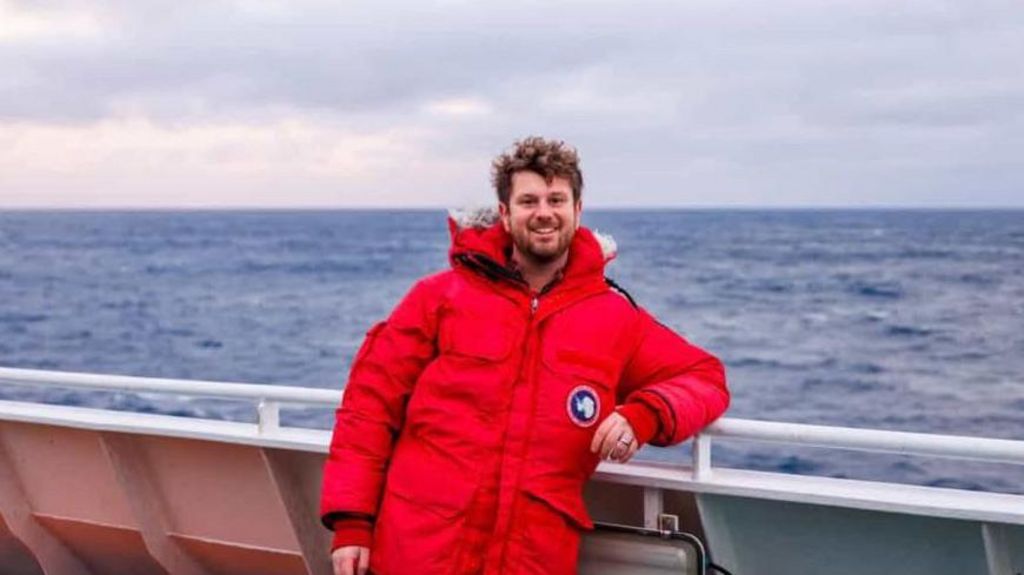
The MV Hondius, operated by Netherlands-based expedition company Oceanwide Expeditions, departed Ushuaia, Argentina — the world’s southernmost city — on April 1 on a highly anticipated itinerary that would take guests past dramatic, untapped Atlantic landscapes. The route included stops at South Georgia, the remote British overseas territory famous for its massive penguin colonies, and Tristan da Cunha, the most remote inhabited island on Earth. For weeks, passengers documented the once-in-a-lifetime trip on social media: American travel vlogger Jake Rosmarin shared clips of alpine snowfall, vibrant autumn coastal hues, penguin-spotting excursions, and leisurely iced lattes on deck, calling the quiet moments at remote ports unforgettable.
That idyllic narrative unraveled rapidly in mid-April. On April 11, a Dutch passenger died on board with no clear cause of death. His remains were offloaded in St Helena nearly two weeks later, and his 69-year-old wife, who accompanied the body, was evacuated to a Johannesburg hospital in South Africa, where she also died. The World Health Organization (WHO) later confirmed she had been infected with hantavirus, a rare but serious infectious disease most commonly transmitted to humans by rodent populations. A British passenger fell ill on April 27 and was also evacuated to South Africa, where they remain in critical but stable condition after testing positive for the virus. A third fatality, a German national, was recorded on May 2, bringing the total death toll to three; health officials have not yet confirmed if the German victim died from hantavirus. Currently, two crew members are experiencing acute respiratory symptoms consistent with the virus, one mild and one severe, requiring urgent medical intervention. In total, health authorities have confirmed two cases of hantavirus on board and are investigating five additional suspected cases, with WHO warning the virus may have spread among the vessel’s population.
Today, the stricken vessel remains anchored off Cape Verde, after local authorities declined entry to the port earlier this week. Passengers have described divided moods on board, with conflicting accounts of the crisis shared on social media. In an emotional viral TikTok posted to his followers, Rosmarin, who first brought widespread attention to the outbreak, spoke through tears about the fear and uncertainty gripping many on board. “We’re not just a story. We’re not just headlines, we’re people with families, with lives, with people waiting for us at home,” he said. “There’s a lot of uncertainty and that is the hardest part. All we want right now is to feel safe, to have clarity and to get home.”
In subsequent posts, Rosmarin clarified he had settled his emotions, noting that he remained healthy, was getting regular fresh air, and was well cared for by the ship’s crew. “I’m just trying to focus on the positive,” he added.
Another travel influencer and passenger, Kasem Hato, pushed back on widespread media coverage of the crisis, arguing the situation has been overblown. Hato claimed the intense public attention stemmed from Rosmarin’s viral panicked video, noting that “148 out of 149” people on board have remained calm, and that the outbreak is under control. “While his reaction is valid, it doesn’t represent the situation on board,” Hato wrote, adding that passengers are passing the time with reading, film screenings, and social activities, and wished ill passengers a quick recovery. Cruise operator Oceanwide Expeditions has echoed this framing, saying the overall atmosphere on board remains calm, with most passengers composed. The company said it is working urgently to secure a docking port, expedite disembarkation, and complete required medical screenings for all guests.
Footage from inside the vessel confirms new public health protocols are in place: passengers are required to maintain social distance, wear face coverings in indoor common areas, and practice frequent hand sanitization. Usually bustling communal spaces, including plush lounges designed for evening socializing, now sit empty. One anonymous passenger told the BBC the group is preparing for at least three to four more days at sea, with no clear timeline for when they will be able to dock.
The vessel’s next destination remains shrouded in confusion. WHO initially announced Spain had granted permission for the MV Hondius to dock in the Canary Islands, where officials could conduct a full risk assessment and ongoing medical monitoring. But Spain’s Ministry of Health has pushed back on that reporting, saying it has not yet received a formal request for the vessel to enter Canarian ports. A ministry spokesperson added that Spanish authorities stand ready to take over management of the situation if a request is submitted, including providing medical care, diagnostic testing, and vessel disinfection, though they would not confirm whether passengers would be allowed to disembark once docked.
Hantavirus, which primarily spreads through contact with rodent urine, droppings, or saliva, can cause severe respiratory and cardiovascular illness in humans, with a mortality rate of roughly 36% for the most common strain found in the Americas. Person-to-person transmission is rare, though not impossible, according to global health guidelines.