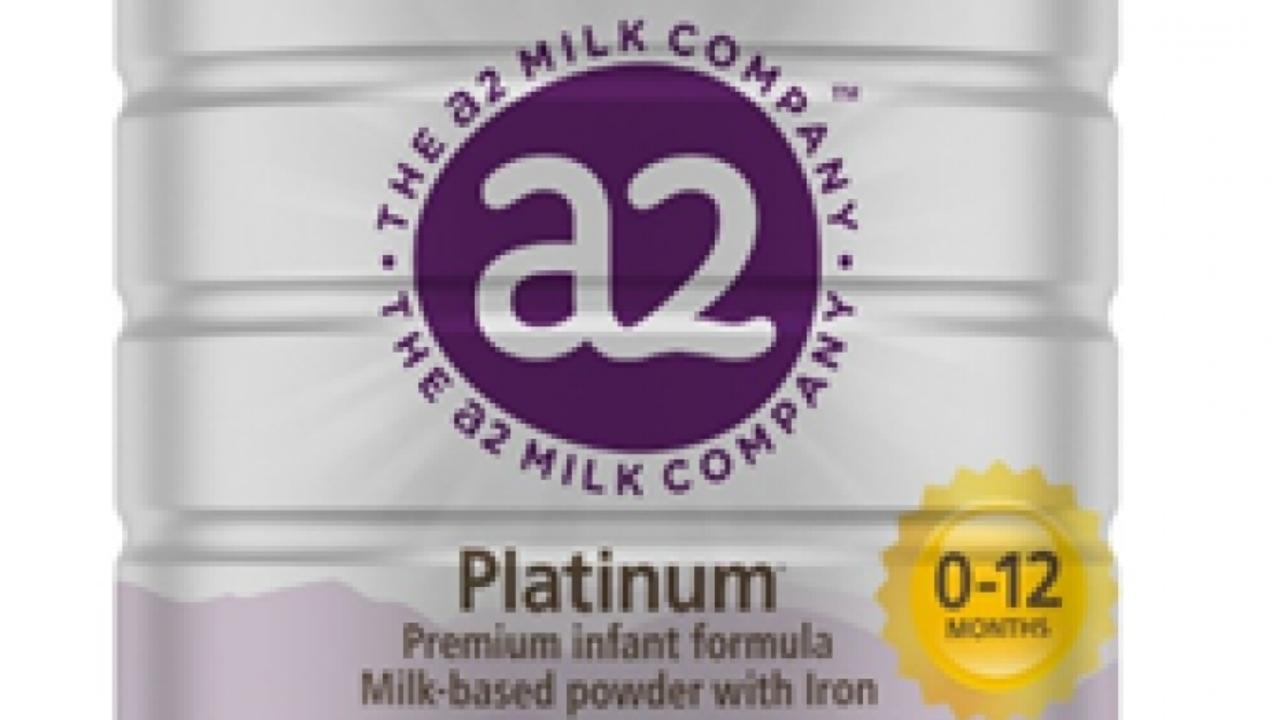
New Zealand-based dairy giant The A2 Milk Company, owner of one of Australia’s most beloved milk brands, has initiated a voluntary recall of three specific batches of its A2 Platinum infant formula from the United States market after testing confirmed the presence of cereulide, a powerful bacterial toxin.
The recalled products were distributed exclusively to U.S. consumers through three sales channels: the company’s official website, major e-commerce platform Amazon, and regional retail chain Meijer. In total, approximately 16,428 units of the affected formula were sold to customers across the country.
Cereulide, the toxin identified in the recalled batches, triggers acute gastrointestinal symptoms that typically onset between 30 minutes and six hours after consumption. The most common reactions include nausea and repeated vomiting. While most healthy adults experience mild, self-resolving symptoms within a short period, infants face elevated risks due to their underdeveloped immune systems. The toxin can lead to dangerous rapid dehydration in young children, so healthcare providers urge caregivers to seek immediate medical attention if an infant displays any adverse symptoms after consuming the affected product.
The company confirmed that, as of the recall announcement, it has not received any reports of illness, injury, or adverse health events linked to the affected batches. A2 Milk managing director and chief executive officer David Bortolussi moved quickly to reassure consumers that the recall is an isolated incident limited solely to the U.S. market. Bortolussi emphasized that all A2 Milk products sold in other regions, including the company’s key Australian domestic market, remain completely unaffected and safe for consumption.
Full details of the recalled batches are as follows: batch number 2210269454 with a use-by date of July 15, 2026; batch number 2210324609 with a use-by date of January 21, 2027; and batch number 2210321712 with a use-by date of January 15, 2027. The company is advising all customers who have purchased any of these batches to immediately stop using the product, dispose of it safely, or return it to the original point of purchase for a refund.
Shortly after the recall was made public, the company’s shares dropped sharply on the Australian Securities Exchange. The Auckland-based firm’s stock closed down 12% from its opening price, falling from AU$7.27 to AU$6.49 in the wake of the announcement, reflecting investor concern over potential reputational and financial impacts from the incident.