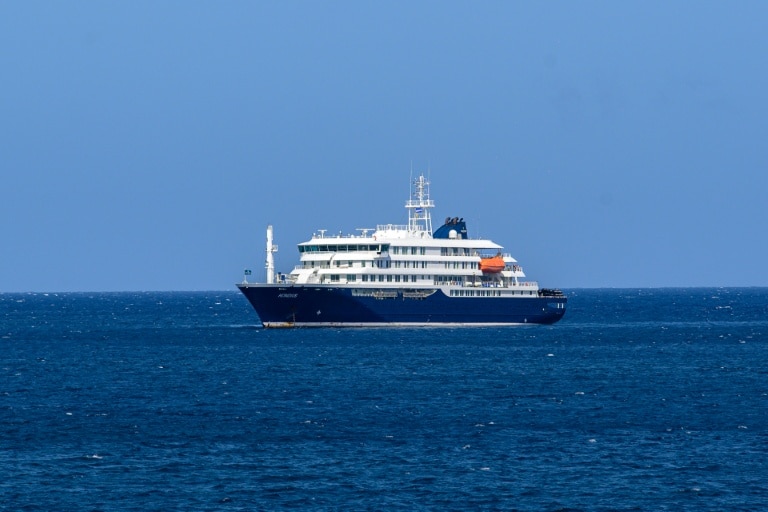
Three deaths linked to a suspected hantavirus outbreak aboard an expedition cruise ship have triggered an international public health response, with the World Health Organization’s European branch moving quickly to calm public fears on Monday, confirming the broader population faces only minimal risk of transmission. The incident has also spurred Dutch authorities to launch coordinated planning for the medical repatriation of two currently ill passengers still aboard the vessel.\n\nHans Kluge, WHO Europe’s regional director, emphasized in an official statement that there is no justification for widespread panic or the imposition of travel bans related to the event. He noted that hantavirus infections are rare in human populations, and most cases stem from direct exposure to excrement, urine, or saliva of virus-carrying rodents, rather than widespread community spread.\n\nThis is the first public confirmation from the ship’s operator, Netherlands-based Oceanwide Expeditions, regarding the three fatalities aboard the MV Hondius, which was sailing on an itinerary from Ushuaia, Argentina, to a stopover in Cape Verde, an island nation off West Africa’s Atlantic coast. Of the three people who died, two passed away while the vessel was still underway, and the third died shortly after disembarking. Currently, one passenger is receiving intensive care for the virus in a Johannesburg hospital, while two other passengers on board remain in need of urgent medical attention.\n\nOceanwide Expeditions confirmed that Dutch authorities have taken the lead on a multinational effort to repatriate the two symptomatic passengers from Cape Verde to the Netherlands for treatment. The evacuation is still pending, however, as it requires formal approval from Cape Verdean local health and government officials, a process that remains ongoing as of Monday.\n\nAn Agence France-Presse photographer on the ground in Cape Verde confirmed the MV Hondius remained anchored in the port of Praia, the nation’s capital, as of Monday morning. A spokesperson for the Dutch foreign ministry told AFP that the government is actively evaluating all options to medically evacuate the small group of ill passengers from the vessel, and will take over full coordination of the operation once it is approved.\n\nLocal medical teams have already boarded the ship to assess the condition of the two symptomatic passengers, but Cape Verdean officials have not yet granted permission to move the patients to onshore medical facilities. In a statement, Oceanwide Expeditions noted that full disembarkation and universal medical screening for all passengers and crew require close alignment with local public health protocols, and the operator remains in constant communication with Cape Verdean authorities to advance the process.\n\nThe WHO said it has prioritized support for the response to the hantavirus incident, calling the three deaths a tragic loss of life. “WHO Europe is working closely with all affected countries to provide support for patient care, evacuation coordination, on-the-ground epidemiological investigation, and ongoing public health risk assessment,” the agency said.\n\nTo date, hantavirus has only been officially confirmed in the passenger receiving treatment in Johannesburg. Operator officials stressed that it has not yet been definitively proven that the virus caused the three deaths, nor has the virus been confirmed in the two symptomatic passengers still aboard the MV Hondius. “The exact cause of the fatalities and any potential connection to the suspected outbreak are still under active investigation,” the company said.\n\nAs of Sunday, WHO officials confirmed one laboratory-confirmed hantavirus case and five additional suspected cases linked to the voyage. While human-to-human transmission of hantavirus is rare, the UN health agency noted that it is possible, and the virus can cause life-threatening respiratory illness that requires constant close monitoring and urgent supportive care.