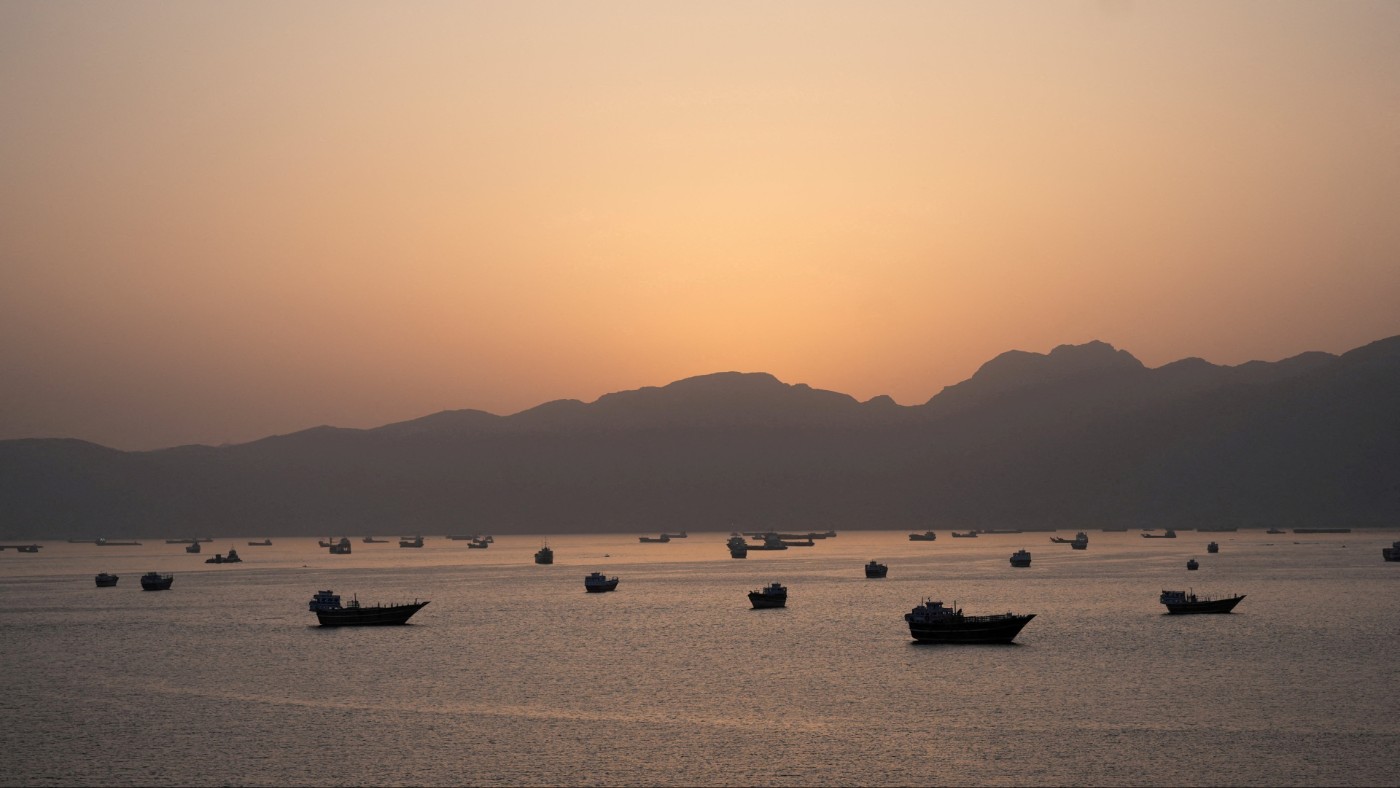
Escalating cross-border tensions have thrown the strategically critical Strait of Hormuz back into the global spotlight, after Iran’s top military commander issued a stark warning that any United States naval vessel entering the waterway will face immediate armed attack. The new threat comes just days after former US President Donald Trump launched what he calls “Project Freedom”, framed as a humanitarian mission to extract commercial ships stranded in the strait amid ongoing restrictions from Tehran.
The warning, first reported by Reuters early Monday, came from Ali Abdollahi, commander of Iran’s unified military command. “We warn that any foreign armed forces, especially the aggressive US army, will be attacked if they intend to approach and enter the Strait of Hormuz,” Abdollahi stated, marking the second time in days that Iranian military officials have explicitly targeted the US with this threat.
Trump, who had previously ordered a full blockade on Iranian ports and avoided deploying US naval assets into the strait over fears of retaliation, launched the new initiative Sunday. He has already issued a counter-warning to Iran, stating that any interference with the US mission will prompt a direct military response from American forces.
Stretching between Iran and Oman, the Strait of Hormuz is widely considered the world’s most vital energy chokepoint. Roughly 20% of the globe’s daily crude oil output and a fifth of global liquefied natural gas shipments pass through the narrow waterway, according to International Energy Agency data. When the strait was closed amid recent conflict, the IEA recorded the largest single supply disruption in global energy history: output fell by more than 10 million barrels of oil per day, while global LNG supplies dropped by 20%.
The sharp exchange of threats comes against a fragile backdrop of diplomatic efforts to end the ongoing US-Iran conflict, with Pakistan serving as the neutral mediator between the two sides. A ceasefire has been in place since April 8, but Iranian leadership has openly questioned the sincerity of US commitment to a lasting peace deal.
Iranian Foreign Ministry spokesperson Esmail Baghaei slammed Washington on Monday for dragging out negotiations, saying US demands throughout the talks have been “excessive”. “The other side must resolve to adopt a reasonable approach and abandon excessive demands regarding Iran,” Baghaei told reporters. He also added that all nations that have participated in the conflict, both directly and indirectly, bear collective responsibility for the ongoing crisis.
Many Iranian political observers, including academic Mohammad Maraandi — who is widely viewed as aligned with senior Iranian government officials — share the widespread skepticism over US intentions. Maraandi has publicly argued that the US is using diplomatic talks as a cover to rebuild its military positioning in the region ahead of a new wave of attacks on Iran.
According to reporting from Al Jazeera, Iran recently submitted a formal three-phase peace proposal to the US via Pakistani mediators, with the goal of turning the current fragile ceasefire into a permanent end to hostilities within 30 days. The core of the proposal centers on a binding regional non-aggression pact, which would require commitments from all regional actors including Israel to avoid future conflict and cement stability across the Middle East.
Under the first phase of the proposal, the Strait of Hormuz would be gradually reopened to commercial traffic in tandem with the US lifting its blockade and trade restrictions on Iranian ports. Tehran has also offered to take full responsibility for clearing sea mines from the waterway to restore safe navigation for global shipping.