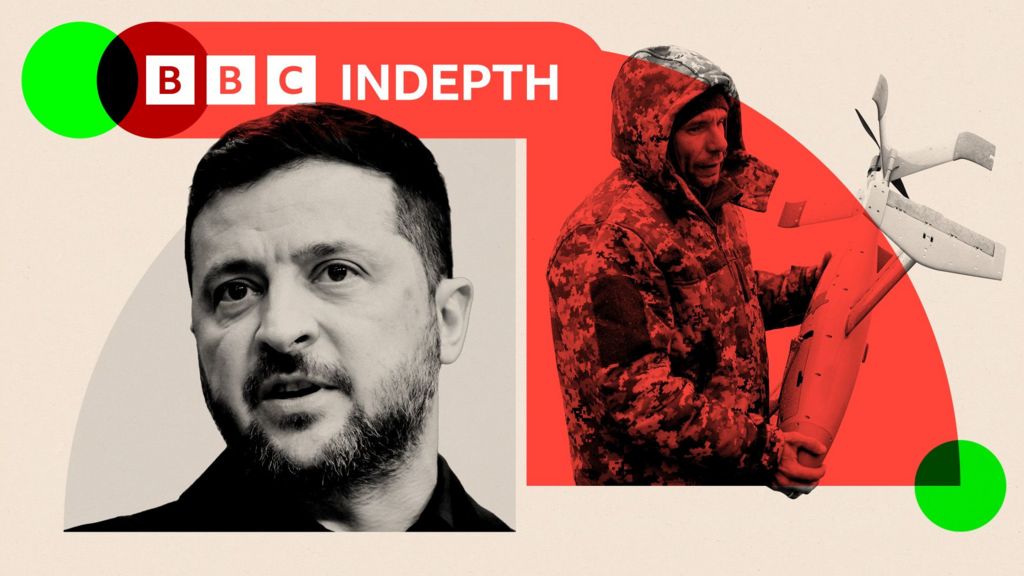
When Ukrainian President Volodymyr Zelensky walked across a lilac carpet at a high-profile event in Saudi Arabia earlier this year, the moment caught many international observers off guard. What seemed like an unlikely detour for a leader mired in a full-scale war with Russia actually marked the start of a shrewd strategic gambit: leveraging the ongoing Iran conflict to turn an initially bad situation for Kyiv into a series of tangible gains.
When the conflict in Iran escalated, early forecasts painted a grim picture for Ukraine. The crisis threatened to pull U.S. attention away from Russian-Ukrainian peace talks, and the disruption to global oil markets handed Moscow an unexpected financial windfall. As shipping through the Strait of Hormuz, a critical global energy chokepoint bordering Iran, was disrupted, Russia was able to sell its oil at elevated prices to more buyers. The Trump administration, facing soaring global energy costs, even renewed a waiver that allowed nations to purchase sanctioned Russian crude, further padding Russia’s war budget. More revenue for Moscow meant a longer, more brutal war in Ukraine, a reality that spelled disaster for Kyiv’s position.
But since Russia’s full-scale invasion in February 2022, Ukraine has repeatedly defied gloomy international projections, and this moment proved no exception. Zelensky quickly moved to capitalize on the shared threat Gulf states faced from Iranian drone and missile attacks – the same type of assault Russia has pounded Ukraine with for years. Today, Kyiv confirms it has signed new agreements with Saudi Arabia, the United Arab Emirates, and Qatar to share battlefield-honed drone defense expertise and technology. The partnerships deepen Kyiv’s alliances with wealthy U.S.-aligned Gulf nations, open new business opportunities, and lay the groundwork for future defense deals Zelensky hopes will follow.
“We want to help [Gulf states] defend themselves. And we will continue building such partnerships with other countries,” Zelensky said of the new agreements. He has emphasized that Ukraine’s hard-won knowledge of countering low-cost Iranian-designed attack drones, like the Russian-used Shahed-136, fills a critical gap for nations targeted by Tehran. Zelensky points out that Ukraine has developed interception methods that cost as little as $10,000 per drone, a fraction of the multi-million-dollar price tag of traditional air defense missiles – a value proposition that has drawn attention not just from Gulf states, but from NATO members facing growing Russian drone threats across Europe.
The benefits of this outreach run both ways. Zelensky has made clear he is seeking reciprocal support from Gulf nations to bolster Ukraine’s own air defenses, at a moment when U.S. military stockpiles are strained by commitments to the Middle East. The Trump administration has openly acknowledged it is reallocating defense supplies between regions, leaving Ukraine scrambling to secure alternative sources of critical air defense missiles that Kyiv already lacks.
Beyond diplomatic and defense gains, the Iran conflict has also let Ukraine apply a key lesson on its own soil: targeting Russia’s critical energy export infrastructure. Using domestically produced long-range drones, Kyiv has made Russian energy facilities a top priority. While higher oil prices and eased sanctions boosted Russian export revenues to 2.3 times their pre-conflict levels in the third week of the Iran crisis, Ukrainian strikes in the following week erased roughly two-thirds of those gains, cutting $1 billion from Moscow’s earnings in a single week. Zelensky says Russia is already suffering billions of dollars in critical losses to its energy sector as a result of the campaign.
One of the most significant wins to come out of the crisis for Ukraine is the long-stalled release of a €90 billion EU-backed loan, which Kyiv says it urgently needs to purchase and manufacture military equipment over the next year. The loan had been blocked for months by Hungary’s pro-Kremlin former prime minister Viktor Orbán, a close ally of Donald Trump. But growing public anger over energy price hikes driven by the Iran conflict contributed to Orbán’s resounding election defeat last month, and his successor has adopted a far less Russia-friendly stance. The path is now clear for the funds to flow to Kyiv.
These cumulative gains have shifted Kyiv’s negotiating position ahead of any potential future peace talks with Russia. For months, Ukraine was forced onto the back foot as the Trump administration’s promised peace efforts stalled. Before his re-election, Trump pledged to end the war in 24 hours; since taking office, his administration’s focus has shifted entirely to the Middle East, and the president’s designated peace envoys – Jared Kushner and Steve Witkoff – have repeatedly postponed planned trips to Kyiv. The pair have made multiple trips to Moscow, however, and Witkoff, who has a long history of private business in Russia, has met Putin on multiple occasions.
Trump has recently claimed he remains confident a solution for Ukraine can be reached “relatively quickly” following a “very good” conversation with Putin, adding that “some people” have made a deal difficult for the Russian leader – comments widely interpreted as implicit criticism of Zelensky. Ukraine’s president has called the repeated absence of Trump’s envoys from Kyiv “disrespectful,” noting that only low-level technical talks are ongoing, and no real progress can be expected until the Iran conflict is resolved – a timeline that remains entirely unclear.
Compounding Kyiv’s concerns is the Trump administration’s broader policy shift toward Russia. The recent U.S. National Security Strategy notably declined to label Russia a security threat, a position that stands in direct contrast to the view of Washington’s NATO allies, and drew public praise from the Kremlin. The document frames ending the war not as a push for a durable, fair peace for Ukraine, but as a step toward achieving “strategic stability” and a potential future partnership with Moscow that would free up U.S. resources for other priorities. Under Trump, harsh new sanctions that could force Russia to the negotiating table on acceptable terms have failed to materialize, and U.S. military and economic assistance for Ukraine has all but dried up.
With the world distracted by events in Iran, Russia has only stepped up its attacks on Ukrainian civilians and civilian infrastructure. European intelligence officials broadly believe the intensified assaults reflect Moscow’s ongoing determination to continue the war, not a last-minute push before negotiations. While Russia’s economy is stagnant under sanctions, it has fully transitioned to a war footing and is not collapsing. Many European leaders and analysts warn that if Russia secures a favorable peace in Ukraine, it will quickly turn to destabilizing other parts of Europe, potentially even targeting a NATO member.
Many international analysts argue that Putin’s imperial ambitions, not just economic considerations, are driving the conflict. “If Russia had a rational government, it would end the war,” explained Luke Cooper, Associate Professorial Research Fellow in International Relations at the London School of Economics and Director of the Ukraine programme at pro-peace consortium PeaceRep. “The economy is stagnant or in recession. Russia is sending enormous numbers of men to die who could be in work, the private commercial civilian economy is suffering by the imposition of the war economy… and what has Russia achieved? A sliver of Ukrainian territory. Surely, a ceasefire would be advantageous, if it included sanctions relief? But Putin isn’t thinking in those terms. This is all about the decisions of one person, with imperial ambitions, running an autocratic system.”
Privately, many Ukrainian officials say they are skeptical that the Trump administration will ever deliver the hard action or ironclad security guarantees Kyiv needs to ensure any peace deal is permanent and lasting. Analysts note that reaching a consensus on reliable security guarantees that satisfies all parties – Ukraine, Russia, the U.S., and European nations – remains an enormous hurdle.
European leaders are under growing pressure to take more decisive action, analysts say. Tom Keatinge, Director of the Finance & Security Centre at the Royal United Services Institute, argues that Trump’s well-documented impatience could lead him to pivot away from the Iran conflict at any moment if a solution there proves elusive, making it critical for Europe to act now. Keatinge criticizes European leaders for timidity in confronting Russia, noting that while the EU is one of the world’s largest trading blocs, it has hesitated to use the full weight of the €210 billion in frozen Russian central bank assets held in EU jurisdictions, instead opting for a €90 billion loan underwritten by European taxpayers. Critics argue Europe has prioritized managing the conflict over aggressively pursuing a just peace.
Despite the many challenges Zelensky and Ukraine face, the recent string of wins has left Kyiv in a far stronger position than it was just months ago. While the Trump administration has reacted coolly to Ukraine’s drone technology deals in the Gulf, declining to take up Zelensky’s offer to share Kyiv’s expertise publicly, Zelensky says he remains undeterred. For him, the visibility of these deals serves a core purpose: keeping Ukraine on the global agenda at a moment when all eyes are on the Middle East, and pushing Washington to turn its attention back to Eastern Europe sooner rather than later.