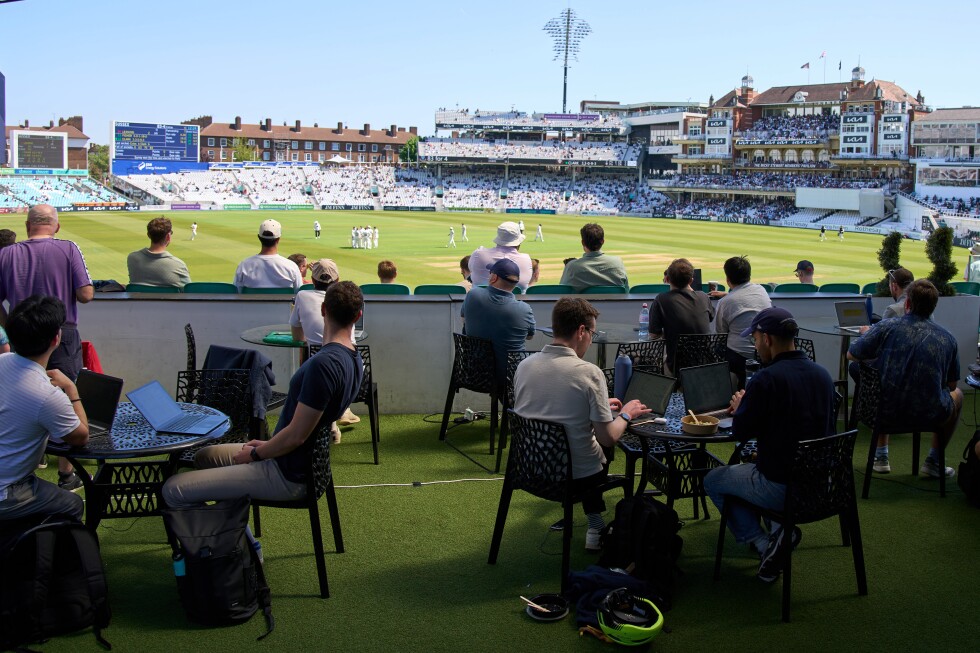
In the wake of the COVID-19 pandemic, hybrid and remote work have become permanent fixtures for millions of workers across the United Kingdom. One of England’s most storied and successful cricket organizations, Surrey County Cricket Club, has turned this cultural shift into an innovative opportunity to reverse decades of lackluster attendance at its historic Kia Oval ground.
Nestled just south of the River Thames, the 180-year-old venue has rolled out a one-of-a-kind initiative dubbed “Work From Oval,” tailored specifically to hybrid workers craving a change of scenery from their cramped home offices or crowded city co-working spaces. Over the 2023-2024 winter off-season, the club upgraded its public Wi-Fi infrastructure, carved out dedicated work zones equipped with full-size desks, reliable power outlets, and unobstructed views of the ongoing match action. In a playful nod to workers wary of employer scrutiny, the club even teases that it could be the “best home office in the country” and promises the club “won’t tell your boss” about any mid-work cricket watching.
For decades, England’s top-tier County Championship has faced widespread mockery over its chronically low attendance at four-day matches, with the unfair but widespread joke that crowds consist of just “one man and his dog.” But the Work From Oval program is already defying that stereotype. Through the first three home four-day Championship matches of the current season, hundreds of remote workers have taken advantage of the offer, paying just £15 ($20) for a full day of workspace and match access.
On a sun-soaked Friday when Surrey hosted Sussex for the opening day of their matchup, more than 6,000 fans and workers packed into the ground — a strong turnout for a weekday, even with the venue’s total 27,500-person capacity. The crowd was buoyed by ideal spring weather and the promise of more than seven hours of continuous cricket, with the added draw of the upcoming UK public holiday creating an extended three-day weekend for many attendees.
Harry Ashton, a director at Elite Finance Solutions who normally works out of a co-working space in nearby Wimbledon, jumped at the chance to try out the unique workspace. Though he joked that it did not quite measure up to his local Lytham Cricket Club in northwest England, he still spent the morning focused on work before joining friends for a few post-work beers as the match unfolded.
The post-pandemic era has cemented hybrid work as a core part of the UK employment landscape: official data from the Office for National Statistics shows more than a quarter of all working adults now split their time between in-office and remote work, even as a growing number of companies push for a full return to traditional office settings. Critics of remote and hybrid work have long argued that flexible arrangements erode productivity, weaken work ethic, and drag down broader economic growth. But on that Friday at the Kia Oval, every remote worker on site appeared to stay focused: spreadsheets were updated, video calls were held, and deadlines were met, all with the backdrop of live first-class cricket.
Neil Munro, owner of management firm Munron Consulting Ltd., who worked from the venue that day, framed the initiative as a test of mutual trust. “I have great belief in life generally, if you treat someone like an adult, they will behave like an adult,” he said. “I don’t see any downside provided everyone treats it with respect.” Matthew Balch, an amateur club cricketer who also participated, echoed that praise, arguing “I think all of the counties should lean into the remote worker-freelancer market to grow attendances.”
Not all workers are comfortable being open about their alternative workspace, however. One 46-year-old employee at a global corporation who requested anonymity said she still fears stigma around non-traditional remote work arrangements, reflecting that old attitudes toward flexible work die hard even as hybrid arrangements grow more common. Even so, the early success of the Work From Oval program offers a blueprint for how traditional sports venues can adapt to shifting work culture to unlock new revenue and grow their fanbase.