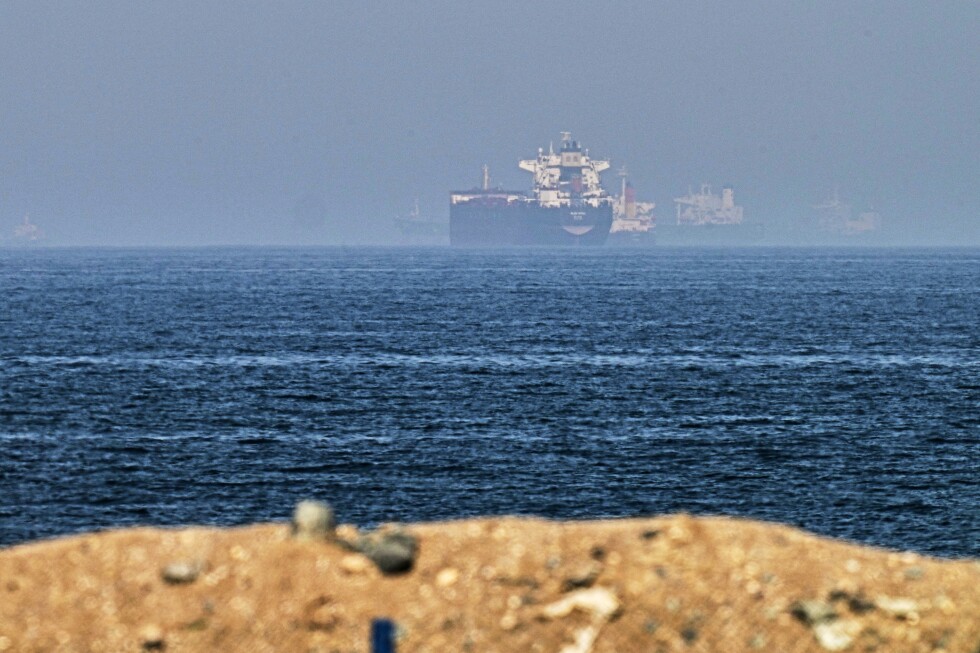
VIENNA — In a move that underscores ongoing efforts to balance volatile global energy markets, seven key OPEC+ oil-producing nations, including heavyweights Saudi Arabia and Russia, have greenlit a small, incremental production increase set to launch in June, framing the step as a deliberate contribution to sustained market stability. The coalition, which also counts Algeria, Iraq, Kazakhstan, Kuwait and Oman among its members, formalized the decision to add 188,000 barrels of crude per day to global supplies following a virtual negotiating session held on Sunday. Energy analysts widely characterize the output increase as largely symbolic, given the severe supply disruptions currently roiling the Persian Gulf. Amid escalating regional tensions tied to the ongoing U.S.-Israeli conflict, Iran has imposed restrictions on vessel traffic through the Strait of Hormuz — the strategic waterway that carries roughly one-fifth of the world’s total oil and natural gas trade. The blockage has sidelined the bulk of seaborne oil exports from Gulf producing states, removing millions of barrels of daily supply from the global market far outweighing the small planned output increase from OPEC+. The decision comes on the heels of a seismic shift in the global oil order: the United Arab Emirates’ historic announcement that it will exit OPEC, the 65-year-old oil cartel that commands roughly 40% of the world’s total crude production and holds outsized sway over global energy pricing. The departure has thrown long-standing alliance dynamics into uncertainty, forcing member and partner states to reassess their coordinated production strategies. Institutional context clarifies OPEC+’s structure: Iran holds a seat as one of OPEC’s 12 current core members, while Russia is not a formal cartel participant, instead collaborating with the Vienna-headquartered alliance through the broader OPEC+ partnership framework. Moving forward, the seven nations that approved the production hike say they will convene monthly review sessions to assess evolving market conditions, monitor member compliance with production quotas, and address any necessary production adjustments to offset past deviations. The next full review meeting is scheduled for June 7, when leaders will revisit market outlooks and adjust plans as needed in response to shifting global supply and demand dynamics.
OPEC+ countries agree modest rise in production as Iran retains chokehold on key Strait of Hormuz