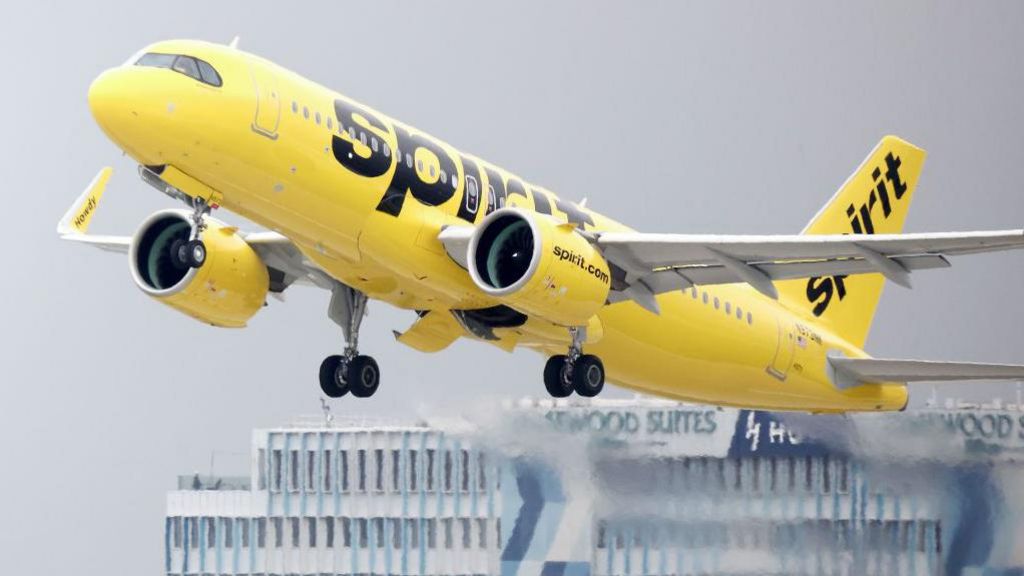
Ultra-low-cost carrier Spirit Airlines has permanently ceased operations after negotiations for a $500 million emergency bailout from the Trump administration collapsed, ending months of frantic efforts to stave off bankruptcy. The carrier announced on its official website Saturday that it was initiating an immediate, orderly wind-down of all business activities, a decision it described as being made with “great disappointment.”
The airline’s collapse comes after years of financial instability, marking its second trip through bankruptcy protection in less than a decade. Spirit had just begun restructuring under its most recent insolvency proceedings, cutting route capacity and shrinking its fleet, when the outbreak of U.S.-Israeli military strikes in Iran sent global jet fuel prices skyrocketing. Industry analysts note that fuel costs typically account for up to 40% of a commercial airline’s total operating expenses, and prices have doubled since strikes began in late February. This sudden, dramatic cost increase pushed the already teetering carrier over the edge.
All future Spirit flights have been canceled immediately, and the airline confirmed it will not issue direct refunds to customers holding unused tickets. Passengers seeking compensation are advised to file claims through their credit card issuers instead. The carrier has also suspended all customer service operations effective Saturday.
Savanthi Syth, senior airline analyst at investment bank Raymond James, called the Iran-driven fuel price surge the “final nail in the coffin” for Spirit. Speaking to the BBC, Syth explained that the airline failed to implement the deep, transformative restructuring it needed during its 2024 bankruptcy process. Even before the conflict escalated in the Middle East, Syth noted, Spirit’s long-term viability was already in doubt. She added, “If it wasn’t for the fuel scenario, they would have been okay through the summer, beyond the summer I would have said it was still precarious.”
Spirit’s leadership expressed confidence as recently as late April that a government rescue deal would be finalized imminently. But the proposed plan, which would have given the U.S. government an effective 90% ownership stake in the airline, faced fierce pushback from multiple fronts: Wall Street investors, Congressional lawmakers, and even a member of Trump’s own cabinet. Transportation Secretary Sean Duffy told Reuters that a bailout would amount to throwing “good money after bad.”
After negotiations fell apart, Trump told CBS, a BBC partner, on Friday that the airline had been extended a “final proposal” to remain operational. Spirit’s collapse comes amid a broader crisis rocking the global aviation industry, as carriers across the world scramble to adapt to spiking fuel costs. Many have responded by cutting route capacity or raising ticket fares to offset higher expenses. The crisis has also sparked broader supply chain fears: the head of the International Energy Agency (IEA) has warned that Europe could face a total jet fuel shortage in as little as six weeks if current conditions hold.