Australia’s national debt has posted an unexpected near-term decline, but leading economic analysts warn this seemingly positive trend rests on fragile, temporary factors rather than lasting fiscal progress – and the nation is running out of good luck to prop up its budget.
The temporary drop in debt has been fueled by two external shocks: the ongoing conflict in the Middle East (Iran) and skyrocketing cost-of-living pressures that have lifted inflation across the country. According to the latest Deloitte Access Economics Budget Monitor report, these forces have delivered what senior partners describe as “sugar hits” to government revenue: higher prices across energy and commodities translate directly into higher tax collections, which have shrunk near-term deficits and allowed for a one-off $40 billion debt repayment in April 2026. Total gross national debt currently sits at $962.6 billion following this repayment.
Deloitte Access Economics partner Stephen Smith argues that these one-off revenue gains have papered over deep, long-standing structural flaws that leave Australia in a precarious fiscal position. “Higher inflation and the Middle East conflict are all quite good for the budget in the short term because higher prices mean more tax revenue,” Smith explained in an interview with NewsWire. But this quick boost to revenue carries major long-term risks, he warned: a sustained oil supply shock from regional conflict could sharply slow domestic demand, while persistent inflation may force the Reserve Bank of Australia to raise interest rates even higher than markets currently expect. These risks will only grow if the government opts for heavy-handed short-term household relief in the upcoming budget, Smith added.
The short-term fiscal picture has indeed improved more than many forecasters expected. Deloitte projects the underlying cash deficit will come in at $33.2 billion, a $3.6 billion improvement from the Mid-Year Economics and Fiscal Outlook (MYEFO) projections. Commonwealth Bank (CBA) is even more optimistic, forecasting the deficit will fall to $29 billion this fiscal year and $22 billion the next, marking a significant upgrade to the nation’s fiscal outlook.
But despite these near-term gains, Deloitte warns upward cost pressures will erase much of the revenue windfall in coming years. Elevated inflation automatically lifts indexed federal payments, including welfare support for jobseekers and age pensions, while higher interest rates also increase the government’s debt servicing costs. Even with strict controls on new spending, growth in existing mandatory spending will offset most of the extra revenue, Smith noted. The fastest-growing spending areas – defense, the National Disability Insurance Scheme (NDIS), aged care, health, and debt interest – are all core government responsibilities, but their current growth rates are outpacing revenue at an unsustainable pace.
To rein in runaway NDIS costs, the federal government has already proposed legislative changes to crack down on “scheme inflation,” tighten eligibility rules, and root out system rorting. Current projections show the scheme would cost more than $70 billion annually by 2030, but the reforms are expected to cut that figure by $15 billion over the forward estimates period.
CBA chief economist Luke Yeaman identifies three core challenges the government must address in its upcoming budget to put public finances on a sustainable path: tax system reform to spread the burden more fairly across generations, avoiding new spending that would further stoke already high inflation, and managing growing uncertainty from the ongoing Iran conflict. “Achieving all of this in one budget – major reform, big spending cuts, national resilience and supporting households – is quite the ask,” Yeaman said. “We expect the government to try to thread the needle. To pull this off, they will need to meet several tests.”
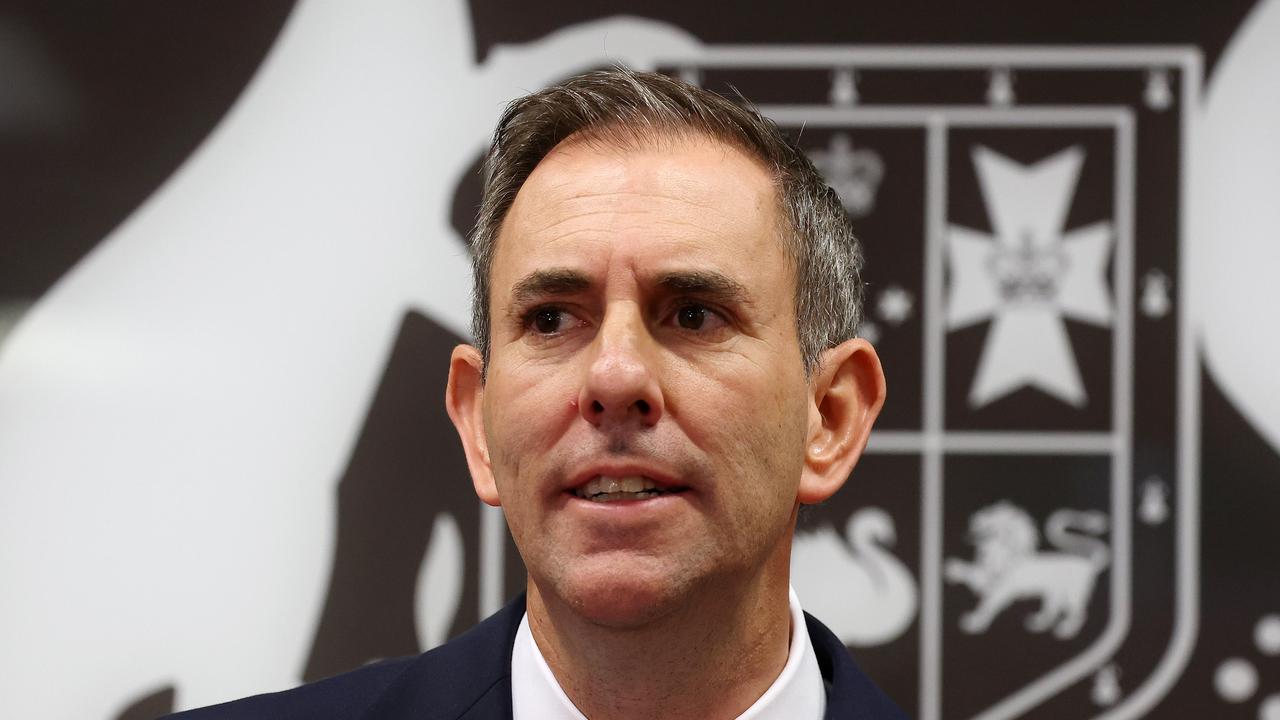
Treasurer Jim Chalmers has already acknowledged the difficult context, describing the government’s budget strategy as “hostage to economic turmoil.” He has pledged the upcoming budget will deliver substantial savings while remaining ambitious, with a core focus on addressing intergenerational inequity in the tax and housing sectors.
A growing number of analysts expect the government will finally advance long-discussed reforms to the capital gains tax (CGT) discount and negative gearing, long considered untouchable “sacred cows” of Australian tax policy. Currently, investors receive a flat 50% discount on capital gains for assets held longer than one year, a policy that disproportionately benefits wealthy asset holders. Reports indicate the government will shift to an indexation model that only taxes real inflation-adjusted capital gains, a change framed as a measure to improve housing affordability and intergenerational equity rather than a broad tax increase. CBA projects the reform could save the budget around $2 billion over four years if implemented as rumored.
While Deloitte calls CGT reform a solid first step, the firm argues the government needs to go further with broader structural tax reform: shifting the tax burden away from income taxes toward consumption and land taxes. Under Deloitte’s proposal, the tax-free threshold would be raised to $35,000, with a 33% marginal rate for incomes up to $300,000 and a 40% rate for incomes above that threshold. “From an economics point of view if you are taxing income you are discouraging people from working, so the less we can tax labour the more we encourage people to work and that can really boost the economy,” Smith said. He added that the current system is unfair to younger generations: as Australia’s population ages, wealthy retirees pay a disproportionately small share of total tax, while working-age Australians bear the bulk of income tax burdens. Taxes like the GST are far more efficient, he noted, because they are shared across all members of society regardless of age or employment status.