A growing controversy surrounding Meta’s artificial intelligence training practices for its Ray-Ban and Oakley branded smart glasses has triggered regulatory investigations and competing claims over why the tech giant abruptly cut ties with its outsourced contractor Sama, leaving more than 1,100 Kenyan workers unemployed.
In February, anonymous data annotators employed by Sama gave explosive interviews to two Swedish publications, Svenska Dagbladet and Goteborgs-Posten, revealing that they were forced to review deeply private and graphic footage captured by Meta’s consumer smart glasses. The workers described reviewing everything from users going to the bathroom to sexual encounters, and one account detailed footage of a woman undressing in a private bedroom, captured without her knowledge by her partner’s recording glasses. “We see everything – from living rooms to naked bodies,” one worker told the outlets.
Less than two months after these allegations came to light, Meta announced it was ending its contracted work with Sama, a US-headquartered B Corp that brands itself as an ethical tech outsourcing provider. The termination left 1,108 Kenyan workers out of a job. The two sides have offered starkly conflicting explanations for the decision.
Meta has publicly maintained that it cut ties because Sama failed to meet its internal operational standards. “We take [the worker allegations] seriously. Photos and videos are private to users. Humans review AI content to improve product performance, for which we get clear user consent,” a Meta spokesperson told the BBC, adding that the company had paused work with Sama while it investigated the claims.
Sama has forcefully rejected Meta’s claims, noting that it never received any prior notification of performance issues. “Sama has consistently met the operational, security and quality standards required across all our client engagements, including with Meta,” the company said in an official statement. “At no point were we notified of any failure to meet those standards, and we stand firmly behind the quality and integrity of our work.”
Kenyan worker advocacy groups have put forward a third, far more critical explanation: that Meta terminated the contract to punish workers for speaking out about the privacy violations and harmful working conditions. Naftali Wambalo of the Africa Tech Workers Movement, who is already involved in ongoing legal action against Sama and Meta over a past toxic content moderation contract, says workers on the smart glasses project confirmed the same pattern of exploitation. “What I think are the standards they are talking about here are standards of secrecy,” Wambalo told the BBC.
This is not the first time Meta’s partnership with Sama has resulted in public scandal. A previous contract for Sama to moderate Facebook content drew widespread condemnation after former workers described chronic trauma from constant exposure to graphic, violent and extreme content, leading to legal action. Sama later stated it regretted taking on that work.
Following the February revelations, regulators on two continents have opened investigations into Meta’s practices. The UK’s Information Commissioner’s Office (ICO) wrote to Meta shortly after the Swedish investigation was published, raising concerns over the reported privacy breaches. Kenya’s Office of the Data Protection Commissioner has also launched a formal probe into the privacy risks posed by the smart glasses content review process. Non-consensual recording of women using the devices has already been linked to incidents in Kenya, amplifying local privacy concerns.
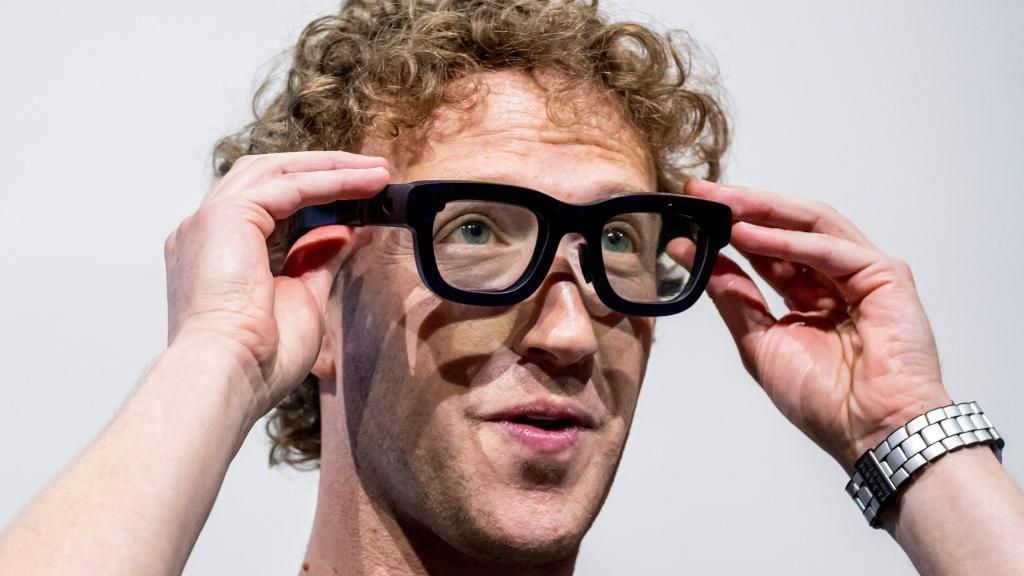
Meta first unveiled its line of AI-powered smart glasses in partnership with luxury eyewear brands Ray-Ban and Oakley in September 2023. The devices offer AI-powered features including real-time text translation and visual question answering, a tool that is particularly helpful for users who are blind or partially sighted. As the devices have grown in popularity with consumers, concerns over misuse and privacy violations have grown in lockstep.
The Kenyan workers who spoke to the Swedish outlets were employed as data annotators, a role that involves manually labeling content captured by smart glasses to help train Meta’s AI systems to correctly interpret images. They also reviewed transcripts of user interactions with the glasses’ built-in AI to check that responses were accurate. Meta has stated that human review of content is an industry standard practice intended to improve user experience, and that the practice is disclosed in the company’s terms of service.
Mercy Mutemi, a lawyer representing the Kenyan worker petitioners and executive director of advocacy group the Oversight Lab, said the controversy should serve as a warning to the Kenyan government, which has positioned outsourced AI work as a pathway into the global tech economy. “We’ve been told that this is our entry route into the AI ecosystem,” she said. “This is a very flimsy foundation to build your entire industry on.”
The BBC has requested additional comment from Meta on the secrecy allegation, and has not yet received a response.