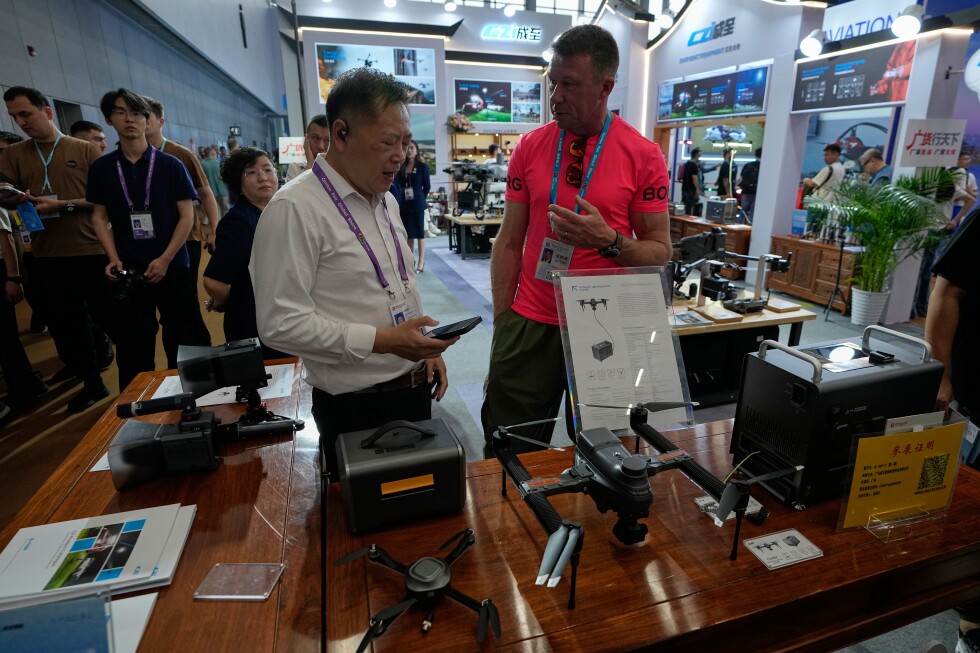
The Chinese capital Beijing will enact a complete ban on all drone operations and sales across its entire administrative area beginning May 1, according to an announcement from city authorities. This sweeping new regulation, formally approved by the city government in late March, codifies and expands long-standing informal restrictions that have barred private drone flights within Beijing’s core and outer city limits for years.
Beyond prohibiting unauthorized flights, the new rules also require all commercial retailers to clear existing drone stock from their inventories ahead of the ban’s implementation. Checks on major Chinese e-commerce platform Taobao confirm that customers entering a Beijing delivery address are already blocked from completing checkout for any drone product, reflecting early compliance with the regulatory change. A staff member at a Beijing retail outlet of DJI, the world’s leading consumer drone manufacturer headquartered in China, told domestic state-affiliated media Jiemian that the location has been ordered to liquidate all remaining drone stock by this week.
Under the terms of the new policy, narrow exceptions are permitted for drones used for academic research by universities and research institutions, as well as for public safety and government operations. However, all exempted users are required to obtain official written approval from local police departments before operating any unmanned aerial vehicles within city boundaries. Individual violators caught operating unapproved drones face penalties of up to 500 Chinese yuan, equal to roughly $73, along with potential confiscation of their equipment.
This latest regulatory move builds on pre-existing national drone governance frameworks that already require all drone operators across China to register their devices and complete mandatory identity verification through an official government platform before flying.
The policy also comes amid growing global scrutiny of Chinese drone dominance in the global consumer and commercial unmanned aerial vehicle market. Chinese manufacturers control over 70% of the global consumer drone market, a position that has triggered national security concerns in multiple Western countries, most notably the United States. The U.S. Federal Communications Commission has already moved to ban the import and sale of new models of Chinese-manufactured drones over data security risks.
Beijing has a long-standing pattern of maintaining stricter security and entry restrictions than most other regions of China, particularly in areas involving connected or sensor-equipped consumer technology. Prior similar restrictions include limits on Tesla electric vehicles, which have been barred from parking in certain sensitive government compounds and key infrastructure sites including airports, over concerns that the vehicles’ built-in camera systems could be exploited for espionage activities.