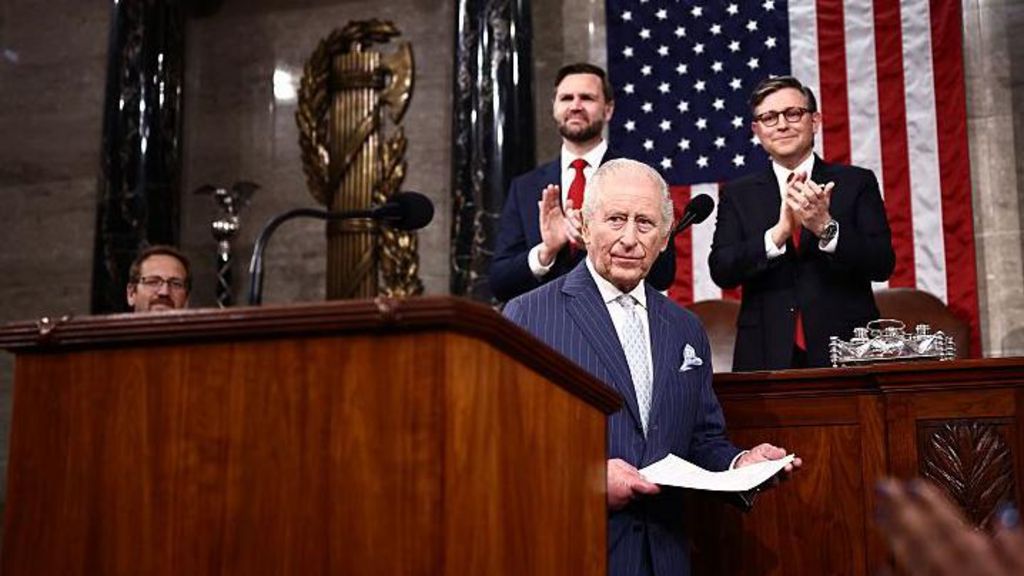
On a watershed day for transatlantic diplomatic relations, King Charles III became only the second sitting British monarch in modern history to stand before a joint meeting of the U.S. Congress, marking a rare moment of cross-Atlantic ceremony that came more than three decades after his mother’s last address to the chamber.
The 1991 address delivered by the late Queen Elizabeth II remains a fixed point in the longstanding diplomatic history between the United Kingdom and the United States, and Charles’s appearance this week has already been framed by historians as a significant update to that shared legacy. While the content of the king’s speech has focused on shared democratic values, ongoing cooperation on global challenges ranging from climate action to collective security, and the deep cultural and historical ties that bind the two nations, audiences across both countries have zeroed in on the key, standout moments from the historic address.
Diplomatic analysts note that this rare address from a British head of state underscores the enduring strength of the U.S.-UK special relationship, even amid shifting global political dynamics. Unlike routine diplomatic visits, an address to the full Congress is an honor rarely extended to foreign leaders, making the moment all the more notable for both nations. Viewers and lawmakers alike have highlighted moving references to Queen Elizabeth II’s 1991 visit, nods to shared sacrifices over decades of global conflict, and calls for continued collaboration on pressing 21st-century issues as the most memorable takeaways from the event, cementing its place as a key moment in modern transatlantic diplomacy.