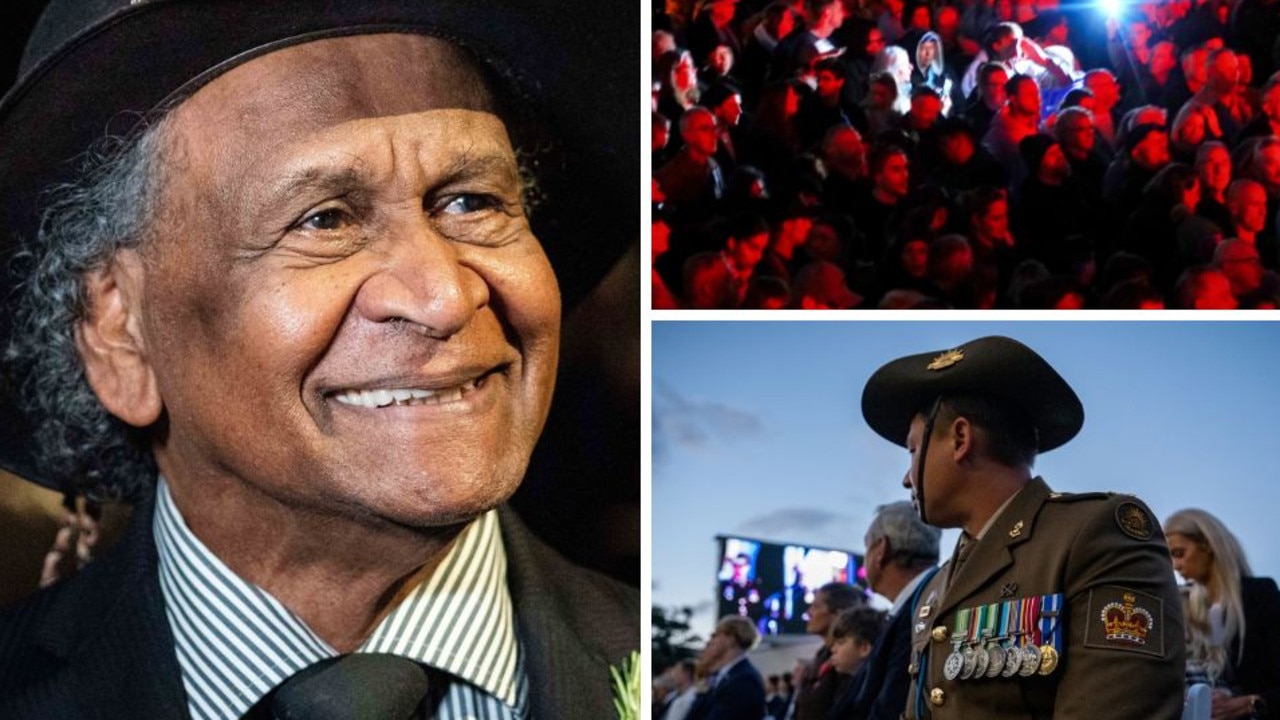
Australia’s annual Anzac Day commemorations have been roiled in fresh national debate this year over the inclusion of Welcome to Country and Acknowledgment of Traditional Custodians ceremonies, after a regional Queensland Returned and Services League (RSL) branch drew widespread backlash for removing the Indigenous recognition ritual from its flagship Dawn Service.
The controversy centered on the Townsville RSL, based in the northern Queensland garrison city with deep, enduring ties to Australia’s military history. Thousands attended the city’s 2024 Anzac Day Dawn Service, where the traditional Welcome to Country and acknowledgment of First Nations peoples was omitted from the official program.
Prominent Indigenous elder and academic Professor Gracelyn Smallwood condemned the RSL’s decision in comments to Seven News, calling the move “very disgraceful”. She emphasized the erased contributions of Indigenous Anzacs, who fought for Australia alongside non-Indigenous soldiers but returned home to systemic exclusion: denied the pensions, land grants, and citizen rights granted to their white counterparts.
When approached for comment on the decision, Townsville Mayor Nick Dametto’s spokesperson distanced the local government from the choice, noting that event programming falls exclusively under the RSL’s control. The Townsville RSL itself has not yet issued a public response to the criticism, after repeated requests for comment.
Townsville was not the only site of division around the ritual this Anzac Day. Booing broke out during Welcome to Country ceremonies at major Dawn Services in three of Australia’s largest cities: Perth, Sydney, and Melbourne, stoking national discussion over the place of Indigenous recognition in major public events.
The backlash has drawn commentary from senior political figures across the ideological spectrum. Federal Opposition Leader Angus Taylor told ABC Insiders that while the public booing was “absolutely unacceptable”, he echoed the frustrations of some Australians by arguing that Welcome to Country ceremonies have become “overused” in national events. Taylor claimed that frequent, widespread inclusion of the ritual has diluted its meaning, saying “they are devalued” through overuse, and argued for fewer ceremonies to preserve their significance.
Western Australia’s Aboriginal Affairs Minister Don Punch hit back at Taylor and state opposition leader Basil Zempilas, accusing the pair of embracing a populist stance that ignores the cultural importance of the ritual. Punch pushed back against critics of the practice, noting that while some hold strongly negative, often racist views of Welcome to Country, the ritual is a core part of respecting Australia’s First Nations heritage. “What a Welcome to Country is, it’s saying g’day, saying welcome to the land, it’s respecting First Nations culture,” he explained.
Elsewhere across the country, many Anzac Day services maintained the longstanding practice of including Indigenous recognition. In far north Queensland’s Cairns, for example, the official program included an acknowledgment of country paired with a traditional didgeridoo performance, mirroring protocols at most major services including Sydney’s Martin Place Dawn Service, where Aunty or Uncle Raymond Minniecon delivered the official Welcome to Country this year.