For nearly his entire adult life, King Charles III has maintained a steady thread of official and unofficial visits to the United States, building connections with U.S. presidents, cultural icons, and communities across the country across more than five decades. Now, he is set to make his most high-profile U.S. trip yet: his first official state visit to the nation since ascending to the British throne following the death of Queen Elizabeth II.
The newly crowned monarch will touch down in the U.S. on Monday, kicking off a multi-stop itinerary that will take him to Washington D.C., Virginia, and New York, before he departs for the British overseas territory of Bermuda. This trip marks a major milestone: it is the first official state visit to the U.S. by a reigning British monarch in nearly 20 years, the last being Queen Elizabeth II’s 2007 visit hosted by then-President George W. Bush.
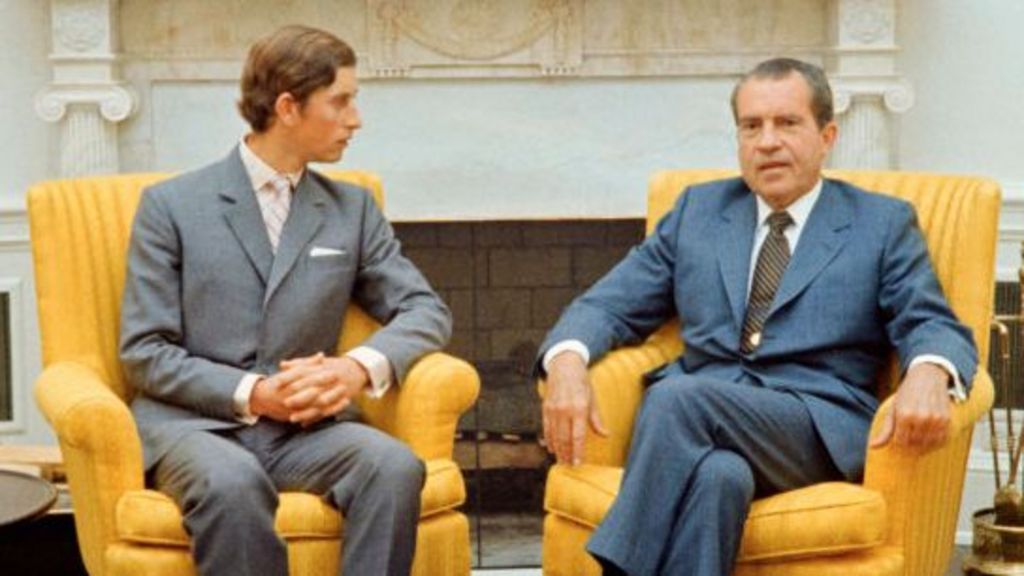
To contextualize the significance of this upcoming historic visit, it is worth tracing the long arc of Charles’s connections to the U.S., dating back to his first official trip as a 21-year-old prince in 1970. During that debut visit, Charles took a seat in the White House Oval Office for a formal meeting with President Richard Nixon. That same trip, he and his sister Princess Anne enjoyed a distinctly American leisure activity: a baseball game at Washington D.C.’s iconic RFK Stadium, where they joined the children of the U.S. president and vice-president in the stands. In a 1974 stop during a naval deployment to San Diego, Charles traveled to Palm Springs to meet then-California Governor Ronald Reagan — a meeting that came six years before Reagan would be elected to the Oval Office. That same year, during a trip to Los Angeles, Charles visited the Warner Bros. set of *Funny Lady* where he met legendary American entertainer Barbra Streisand, sparking a decades-long personal friendship between the two.
Charles’s 1977 U.S. trip brought both protests and lighthearted moments. During a campus visit in Cleveland, Ohio, mounted police were deployed to manage demonstrations against British involvement in Northern Ireland. Later that year, a visit to a Los Angeles department store brought a playful encounter: Charles shared a laugh with actors posing as the King’s Guard during the event. In 1980, a polo match at Florida’s Palm Beach Polo Club ended with an unexpected health scare, when Charles was hospitalized and treated for heat exhaustion and dehydration after the game.
As Charles’s public role evolved, so did the nature of his U.S. visits. In 1985, he and his first wife, the late Princess Diana, made a stop at a Springfield, Virginia, department store, where Diana browsed jewelry selections while Charles chatted with a sales clerk. The following year, during a trip to Austin, Texas, the mayor of the city presented Charles with a traditional cowboy hat, which he gamely wore for photographers.
It would be 20 years before Charles made another landmark official U.S. trip, after his divorce from Diana and his remarriage to Queen Camilla (then Camilla Parker Bowles). In 2005, he returned to the White House for an official dinner with President George W. Bush. That same New York trip, Charles met future president Donald Trump and his wife Melania at a reception held at the Museum of Modern Art, and also took time to greet students at Georgetown University in Washington D.C. A decade later, in 2015, Charles returned to the Oval Office once again for a meeting with President Barack Obama during another U.S. trip.
Across more than 50 years of visits, Charles has built a long history of engagement with American political, cultural, and civic life, making his first state visit as monarch a highly anticipated event that carries both historical weight and new diplomatic meaning for the special relationship between the U.K. and the United States.