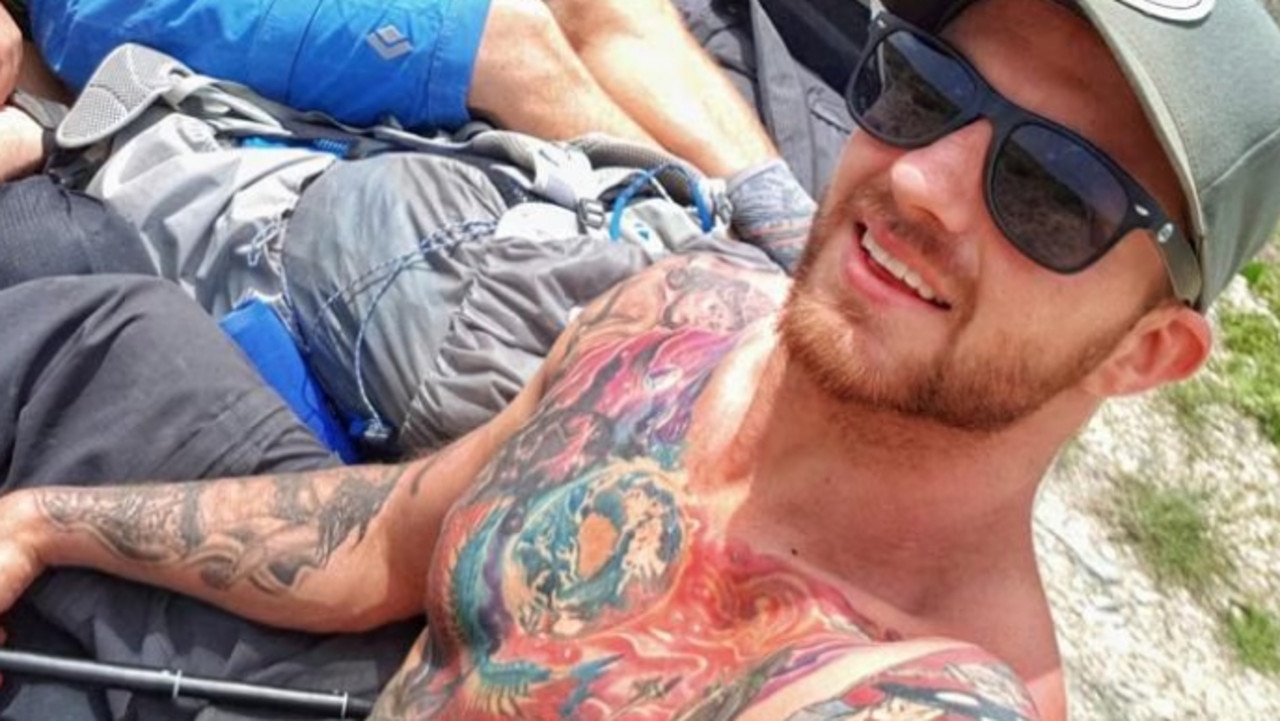
A long-standing court-ordered publication ban that concealed the identity of a contracted hitman has finally been lifted by Western Australia’s Supreme Court, allowing the public to learn the name of the former soldier who murdered the leader of the Rebels outlaw motorcycle gang in 2020.
Thirty-nine-year-old Benjamin Luke Johnston was recruited by a rival faction of outlaw motorcycle gangs to carry out the targeted killing of Rebels national president Nick Martin, court documents confirm. On a December day in 2020, Johnston positioned himself hundreds of meters away from the Perth Motorplex, where Martin was attending a public event alongside his family, and fired a sniper round that struck Martin in the chest, killing him instantly in front of onlookers and his loved ones.
Johnston pleaded guilty to the charge of murder in 2021 and was subsequently handed a 20-year prison sentence for his crime. Beyond his own conviction, Johnston also served as a key prosecution witness in the separate murder trial of David Pye, another bikie figure linked to the assassination plot. Johnston testified during Pye’s trial that Pye was the person who arranged and paid for the contract killing. A jury ultimately found Pye guilty of murder, and he remains in custody awaiting his sentencing hearing.
The suppression order on Johnston’s identity was in place for more than three years, originally put in effect out of concerns for his personal safety while he was serving his sentence and cooperating with authorities. However, when the matter came before the Supreme Court of WA on Friday, the court heard that those safety concerns no longer hold any weight. Johnston’s legal representative, David Merena, told the court that his client planned to enroll in a university degree program in health science while incarcerated, a goal that required him to use his legal name. The gag order had also created unnecessary barriers for family and friends to schedule prison visits to see Johnston, Merena added.
Counsel for Pye pushed back against the request to lift the order, arguing that the suppression should remain in place in case Johnston is required to give testimony during any future appeal proceedings for Pye’s conviction. Despite that objection, Justice Joseph McGrath ruled in favor of lifting the publication ban. In his ruling, Justice McGrath noted that Johnston’s name is already widely known among the prison population, and Johnston himself has stated that he no longer fears for his personal safety behind bars. The judge added that WA Police had been consulted on the request, and state authorities no longer argued that the suppression order was necessary to protect Johnston’s security.