Canada’s decision to curtail its decades-long dependence on the United States for defense procurement represents a quiet but meaningful shift in the bilateral alliance, with experts noting the move stems from eroding trust in Washington — even as structural ties between the two neighboring nations remain deeply entrenched.
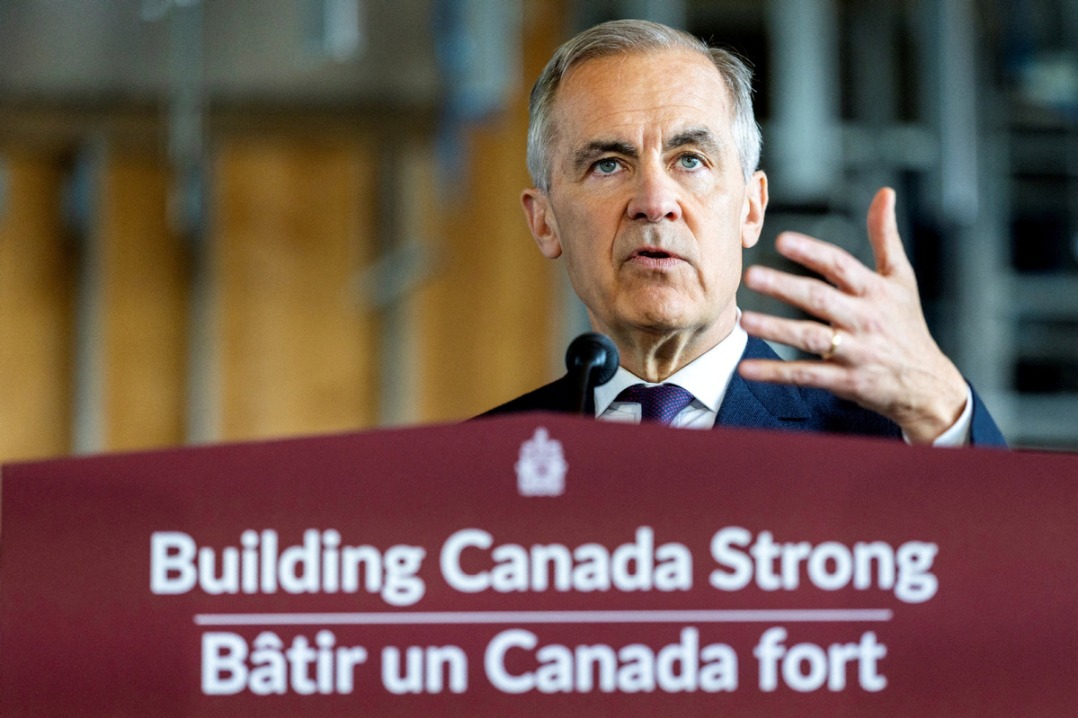
Earlier in April 2026, Prime Minister Mark Carney used the stage of the Liberal Party national convention to announce the policy reorientation. Carney framed the change as a long-overdue step toward sovereign defense strategy, declaring that the era when 70 cents of every Canadian defense dollar flowed to U.S. suppliers has come to an end. His administration has laid out two core priorities to advance this goal: expanding Canada’s domestic defense manufacturing base, and forging deeper security partnerships with a broader range of global actors.
Alistair Edgar, an associate professor of political science at Ontario’s Wilfrid Laurier University, called Carney’s announcement a pivotal shift that carries weight both for the North American alliance and practical military operations. For Edgar, the policy change is not merely a reaction to the current U.S. administration, but part of a broader, cross-national reassessment of Washington’s reliability as an ally. He argues that this shift amounts to a fundamental rupture in the longstanding dynamic between the two nations, one that will reshape political, economic and security ties far beyond the defense sector.
“The United States can no longer be counted on as a reliable, trusted partner,” Edgar stated. He acknowledged that geographic realities will continue to anchor Canada’s security cooperation with the U.S., particularly through long-standing integrated defense frameworks such as the North American Aerospace Defense Command (NORAD). Even so, the nature of that cooperation is already changing, he explained: Deep bilateral integration is being replaced by looser coordination, as Canada invests in independent, sovereign defense capabilities, and in some cases, may even take steps to protect its own interests that diverge from Washington’s.
While Carney has pledged to expand defense collaboration with European allies and other global partners, Edgar noted that these new ties will never fully replace the U.S. as a security partner. Instead, Canada is pursuing a deliberately diversified procurement strategy that includes mixed fighter jet fleets sourced from multiple suppliers and ramping up domestic defense production. Already, the country has directed new investments into domestic small arms manufacturing, munitions production, drone development and cyber defense capabilities to strengthen its homegrown defense industrial base.
The pivot away from heavy reliance on the U.S. does not come without risks, Edgar cautioned. Ottawa could face significant political and economic backlash from Washington, including the imposition of retaliatory tariffs on Canadian goods. Even so, he argued that these very risks reinforce the case for diversification: “In the end, that is more of a reason to take these necessary measures.”
Edgar also connected Canada’s policy shift to growing unease among U.S. allies worldwide about Washington’s approach to global diplomacy. A growing number of allies, from Canada to European capitals, now view the U.S.-led international order as defined by bullying, transactional deal-making and unpredictable, untrustworthy behavior, he said.
Not all experts frame the shift as a fundamental rupture, however. Erika Simpson, an associate professor of international relations at Western University in Ontario, argues that Canada’s plan is best understood as a cautious strategic recalibration rather than a clean break from its long-standing alliance with the U.S.
Simpson explained that the shift serves both strategic and symbolic purposes: it addresses long-standing domestic and policy concerns about overreliance on a single major power, while also sending a clear signal that Ottawa wants to claim greater sovereignty over its defense purchasing decisions. At the same time, she warned against overstating the scale of the change, emphasizing that “this should be understood as recalibration rather than rupture.”
Canada remains deeply embedded in U.S.-led defense architecture, Simpson noted, and any meaningful reduction in reliance on Washington will necessarily be a gradual, multi-year process constrained by long-standing structural ties. A rapid shift could also introduce unforeseen operational risks if not managed carefully, she added.
In Simpson’s framing, Canada’s new defense strategy is a pragmatic hedging approach. “Canada is maintaining its core alliance with the United States while cautiously expanding its range of partners,” she said, noting that the strategy improves Canada’s strategic flexibility and long-term security resilience.