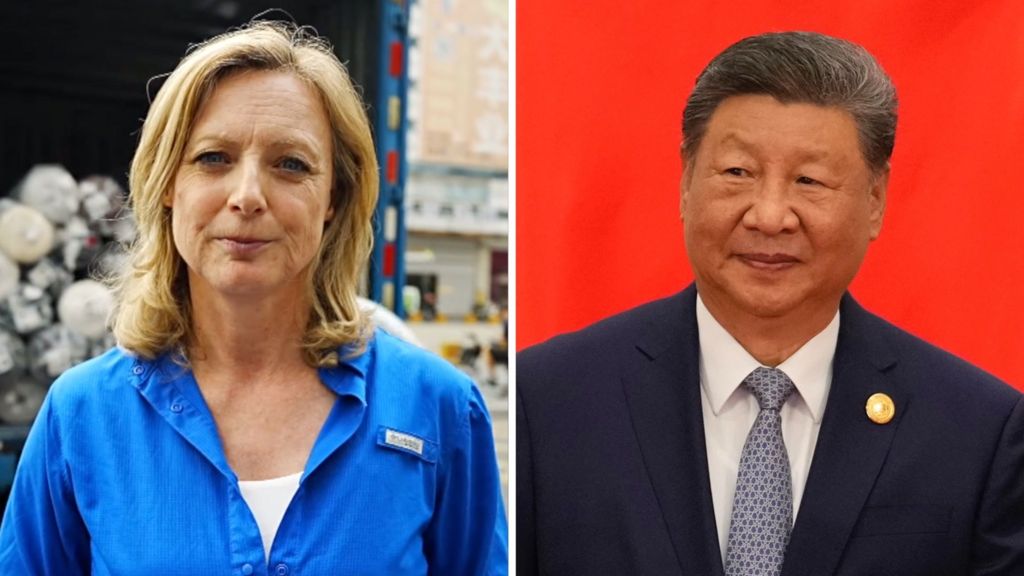
Escalating geopolitical friction between the United States and Iran has sent ripples across the global economy, and one nation that finds itself navigating a complex mix of challenges and openings is China. In an in-depth analysis from BBC correspondent Laura Bicker, the interconnected nature of global politics and economics means China is not a passive bystander to this regional standoff – it faces tangible economic headwinds even as it could secure quiet strategic advantages.
First and most immediately, the conflict-driven disruption to energy markets has hit China’s bottom line. As the world’s largest crude oil importer, China relies heavily on stable supplies flowing through the Persian Gulf, a region that is immediately impacted by heightened US-Iran hostilities. When tensions spike, global oil prices invariably jump, inflating China’s import bills for energy. These higher costs trickle through the entire Chinese economy, pushing up operating expenses for manufacturers, raising transportation costs for domestic goods, and putting upward pressure on overall inflation. Beyond energy, broader trade routes through the Middle East also face increased risk of disruption, which raises shipping insurance premiums and creates delivery delays for Chinese goods heading to European and Middle Eastern markets, cutting into the competitiveness of Chinese exports.
The political landscape, however, presents a different set of dynamics for Beijing. The ongoing focus of the United States on containing Iranian influence and managing conflict in the Middle East diverts American strategic attention and resources away from its competition with China. For years, the US has prioritized great power competition in the Indo-Pacific, but a sustained crisis with Iran forces the US to split its military, diplomatic and economic focus. This creates space for China to advance its own regional and global strategic goals, from expanding trade relationships across the Middle East through its Belt and Road Initiative to strengthening diplomatic ties with nations that are aligned against US policy in the region. Additionally, China can position itself as a neutral broker for peace between the two sides, burnishing its image as a responsible global power committed to diplomatic de-escalation.
Bicker’s analysis notes that the balance of costs and benefits for China remains deeply dependent on how the conflict evolves. A full-scale, prolonged war would far outweigh any political gains, sending energy prices soaring to unsustainable levels and triggering a global recession that would devastate Chinese export demand. A low-intensity, prolonged standoff, on the other hand, allows China to absorb the limited economic costs while capitalizing on the strategic opportunities that come from a distracted United States.