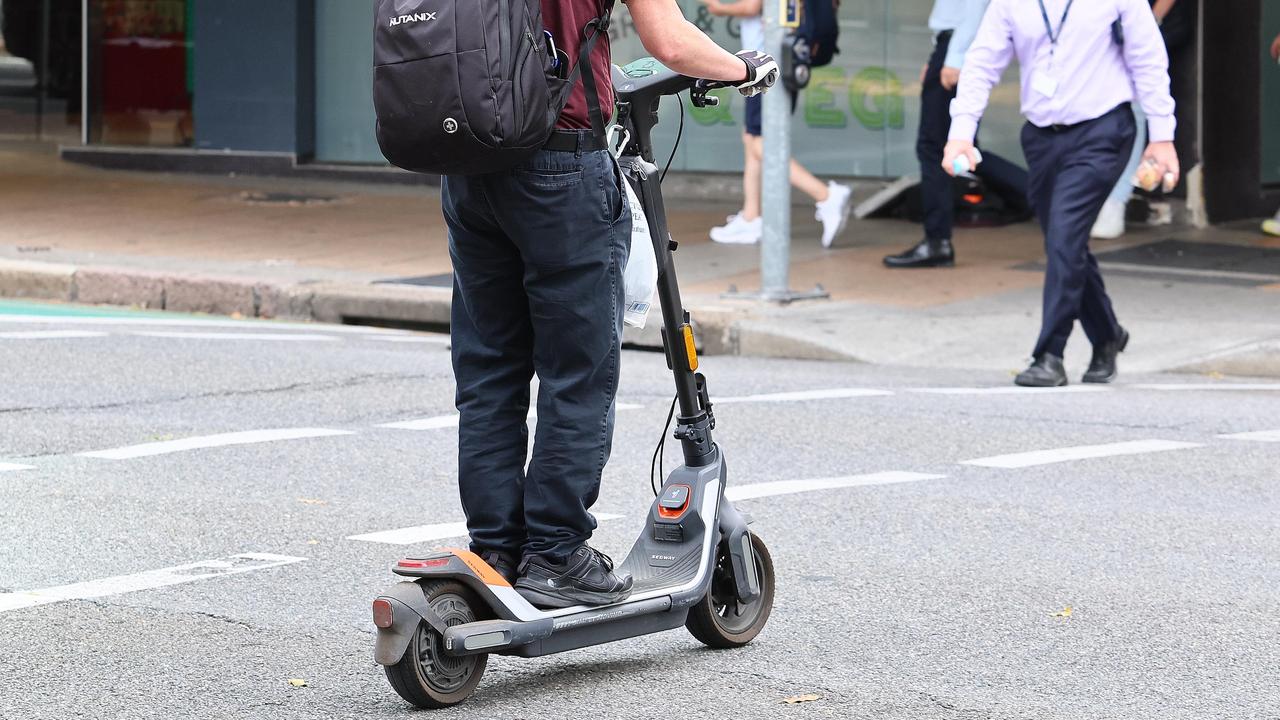
Hobart, the capital city of Australia’s Tasmania state, is making a major shift to its shared urban mobility network, removing all shared e-scooters from city streets in response to growing public and regulatory concerns over rider safety and irresponsible usage. The Hobart City Council formally announced the policy change on Tuesday, confirming that it will transition its existing shared micromobility program to an e-bike-only model, with plans to open a new tender for smaller, more compact e-bikes designed to fit better within the city’s limited public spaces.
Currently, Singapore-based mobility operator Beam Mobility holds the contract to run the city’s hire-and-ride shared scooter and e-bike services. Under existing Tasmanian regulations, e-scooter riders are permitted to operate on most footpaths, shared pedestrian-bike paths, dedicated cycling lanes, and public roads with speed limits below 50km/h. Rules also require riders to be at least 16 years old and wear a protective helmet at all times, but consistent noncompliance with these regulations has been a core issue for city officials.
In an official public statement, the council outlined that persistent regulatory gaps, safety risks, and problematic user behaviour have justified the full removal of e-scooters from the shared program. Top complaints include haphazard and obstructive parking of e-scooters on crowded footpaths, which creates hazards for pedestrians, particularly elderly residents and people with disabilities.
By contrast, council officials argue e-bikes are a far better fit for Hobart’s urban landscape. “E-bikes, by contrast, are generally used as a transport mode rather than a recreational device, resulting in more predictable and compliant behaviour,” the council’s statement explained. The decision also follows broader national and global mobility trends, where a growing number of cities are prioritizing e-bike-focused shared schemes over mixed e-scooter models, citing e-bikes’ greater versatility, stronger safety profile, and suitability for longer commuter trips.
The policy change comes after two high-profile traffic incidents involving young micromobility riders in Tasmania in recent months. In December, a 14-year-old girl suffered life-threatening injuries when her e-scooter collided with a passenger car in Risdon Vale, an outer suburban area of Hobart. On New Year’s Eve, a 15-year-old boy from Devonport died after losing control of his e-bike and crashing into a utility pole in the state’s northwest.
National data underscores the scope of the e-scooter safety crisis: A recent study from the University of Melbourne recorded 37 e-scooter-related deaths across Australia between 2020 and 2025, with one-third of those fatalities involving children under the legal riding age.
Data from the council’s 15-month pilot program, which ran from December 2024 to February 2026, shows strong overall community demand for low-emission shared mobility options, with an average of 13,300 trips and 16,600 kilometers traveled per month across the network. “The shared micromobility program has demonstrated strong community interest in low emissions, convenient travel options. However, it has become clear that a mixed e-scooter and e-bike hire model is not the best fit for Hobart,” the statement added.
Ryan Posselt, chair of the council’s transport committee, said the shift to an e-bike-only model is expected to deliver improved public safety outcomes and better integration with Hobart’s existing cycling infrastructure. “E-bikes also support active transport, delivering public health benefits alongside emissions reduction,” he noted. The council will now begin the tender process to select a new operator for the e-bike-only program, with rolling deployment expected to begin later this year.