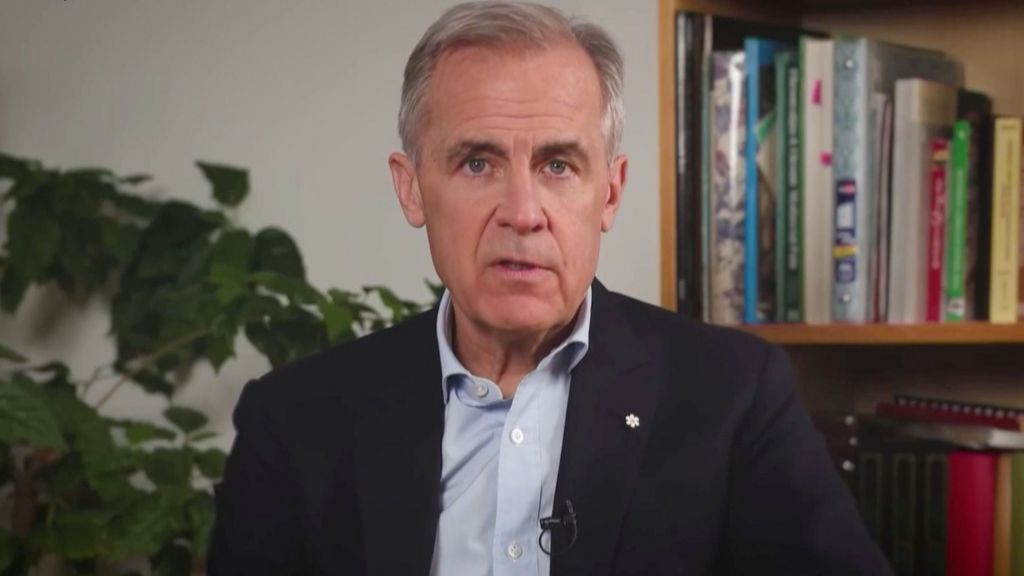
For decades, Canada’s deep integrated economic and trade relationship with the United States has been widely framed as one of the country’s greatest economic assets, driving cross-border investment, job growth, and market access for Canadian manufacturers and resource exporters alike. But that long-held consensus is shifting dramatically, according to Canadian Prime Minister Mark Carney, who is calling for urgent course correction after sweeping changes to U.S. trade policy transformed the once-advantageous partnership into a critical vulnerability for Canada’s economic future.
In recent remarks, Carney argued that evolving trade priorities out of Washington have eroded the stability that once made close bilateral ties a boon for Canadian economic growth. What once allowed Canadian businesses to reliably access the world’s largest single consumer market has now become a source of systemic risk, he said, leaving Canada overly exposed to sudden shifts in U.S. trade rules, tariff policy changes, and politically driven trade disputes that can disrupt domestic economic activity with little warning.
Carney’s comments mark a notable shift in Canadian discourse around bilateral relations, opening a new conversation about the need for Canada to diversify its trade partnerships, reduce its overreliance on the U.S. market, and strengthen domestic economic resilience to insulate the country from future trade policy changes originating south of the border. The prime minister framed the push for correction as a pragmatic response to a changed global trade landscape, rather than a rupture in bilateral relations, noting that adapting to Washington’s new policy direction is a necessary step to protect Canada’s long-term economic sovereignty and prosperity.